

France is the most visited country in the world, attracting millions of tourists every year, but that doesn't mean traveling there is without risks. There are several travel dangers worth knowing about before your trip, especially in popular tourist areas, so you can avoid unpleasant surprises and stay safe.
Protests, Strikes, Riots, and Civil Unrest
France's national motto, equality, fraternity, and liberty, has been celebrated since the French Revolution in 1789. This historical event shaped the way the French deal with political situations today.
As a result, France has been notorious for its countless strikes and protests. People fight for their rights, and the consequence is shut infrastructure and tourist landmarks. Strikes can happen anytime, although they are mostly announced days and at times weeks in advance. Protests can be a bit less predictable.
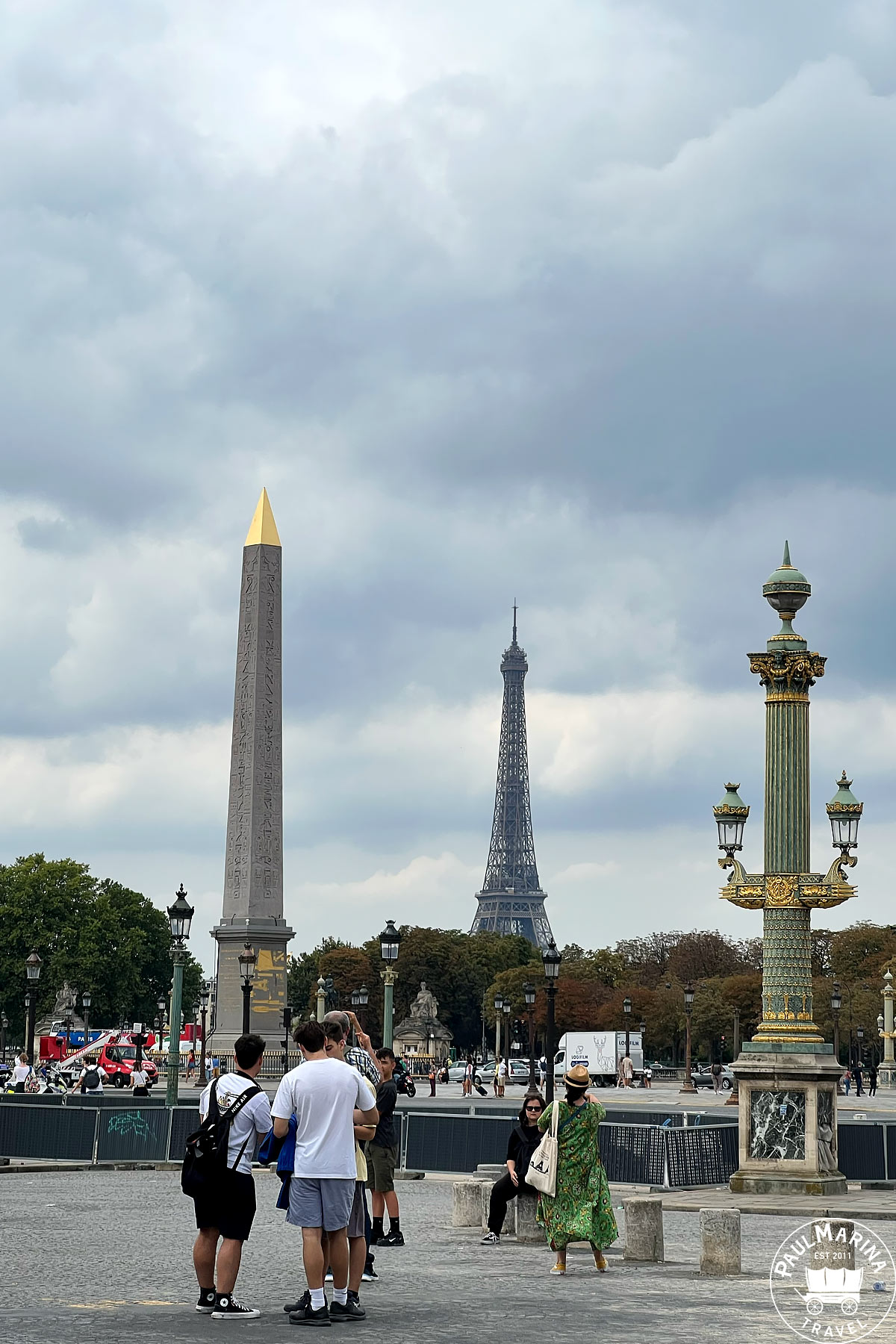
For example, the current student protests across France kindled from a small movement into an enraging blaze, and within days things turned ugly, with rioters and thieves looting shops.
How to Stay Safe? In those terrible times, you will want to keep away from these dangerous and unpredictable situations. Civil unrest of the kind usually takes place in the cities. Paris, Marseille, Lyon, and Bordeaux, and other larger to medium-sized cities across France will have extra police presence, but the overwhelming count of rioters changes everything. If you find yourself in a city during a protest that is turning violent, avoid at all costs the risky zones of the cities where these are taking place.
Terrorism and Security Threats
France has been on high alert since the coordinated terrorist attacks in Paris on Friday the 13th in November 2015. Various smaller attacks have also been reported over the years in the region at beach towns and at Christmas markets.
Crowded attractions and events are the target of these terrorists, but the government has been taking public security measures seriously. Forced evacuation alerts are sent out to every cell phone, and an increased military presence in all French cities has been put in place.

How to Stay Safe? Don't explore the city without your cellphone. You can get emergency warning instructions to your device, even if it is a foreign mobile phone.
Catcalling and Harassments
Catcalling and sexual harassment are not as prevalent in France in comparison to Italy, but as a solo female traveler, you may turn into a target in isolated areas in the cities.
There are dangerous zones that I recommend avoiding in the cities. Especially at night. Yet, unfortunately, such incidents may happen in broad daylight in touristy places as well.

How to Stay Safe? Don't react to the catcalling attempts. Approach law-enforcment if you do not feel safe. Avoid altogether barely lit alleyways at night in the major cities. You won't have to deal with any of that in rural areas across France.
Violent Crime and Dangerous Areas
France is a country of contrasts. Most regions across France, north, south, west, or east, are perfectly safe, just like the rest of Europe, but certain zones are labeled dangerous.
These high-risk areas are located at the outskirts of the bigger cities, away from the main city center. At night, you can get mugged there or sexually harassed or assaulted.
Take Paris, for example. Paris city center is a safe haven; the Gard de Nord Railway station comes with some dark individuals, but Montmartre, where the Moulin Rouge is located, can be a bit tricky at odd hours. Your absolute no-go zones in Paris are located further up in the north and northeast.
How to Stay Safe? Again, your orientation starts with examining hotel reviews on Google Maps and on booking aggregators. Don't reserve a room in suspicious neighborhoods, and I also don't recommend “visiting” these locations. Most tourist spots are perfectly safe. Stick to places that are touristy and avoid traveling to these dangerous places.
Scammers
Paris is a stronghold of scammers in Europe. They come in many shades, and the schemes are just like the ones in other popular European countries.

Here are some of the most common scams:
- Cup and Ball Game — We have spotted them mainly around and near the Eiffel Tower. A group of people surrounds a dude who hides a ball under one of three cups. Spectators can place a bet and guess the location of the ball to “win” something. The problem: most of the spectators are part of the gang, and you will always lose.
- Bracelet Scam — They will attempt to engage you by flinging a souvenir bracelet at you. They offer it as a “gift” and soon after they want money for the bracelet. It targets people who don't know to say no.
- Fake Attraction Ticket Scam — They offer discounted tickets on the roadside. Just avoid at all costs!
- Petition Scam — They present you a fake petition to sign and to donate. Additionally, they pretend to be mute. Two or three of these individuals, often women, can surround you and force you to make a donation.
How to Stay Safe? Do not engage with these people. Walk on, do not react to them, don't apologize, don't smile, don't get angry, and just ignore them.
Pickpockets
In France's most popular tourist destinations, pickpocketing is a prevalent issue, especially in Paris during the hottest summer months. Be very cautious when visiting iconic landmarks like the Eiffel Tower and the Louvre, as well as heavily populated areas like the metro and large train stations.
Wallets, handbags, jewelry, passports, and high-end phones are all targets for pickpockets. They typically work in groups using distractions or crowded situations to steal your belongings in seconds without you noticing.

They appear to be tourists, but they are actually trained criminals who operate in gangs. Likewise, most look just like you and me, and they pretend to be visitors, with children and elderly folks included.
How to Stay Safe? A hidden fanny pack to store your money is a great investment. Be extra vigilant in the metro station, on trains, and at crowded landmarks. For example, if you need help with a metro ticket, ask an official at the info counter, and don't get pulled into a dialogue with a “helpful” stranger.
Natural Disasters and Seasonal Dangers
Although natural disasters can happen at any time, try to stay away from certain locations during a natural disaster. Most major disasters take place in the hotter summer months in Southern France.

You may encounter two major disasters in France:
- Floodings: Mostly in Northern, Central, and Northeastern France.
- Wild Fires: Almost every summer in Southern France. Much more common than floodings
How to Stay Safe? Save the 112 European Emergency Hotline for all emergencies; the operators speak English. Having various payment methods on hand can be a lifesaver.
Extreme Weather Conditions
Temperatures are soaring hot in the summer months across France. 100 degrees Fahrenheit (ca. 38 degrees Celsius) in the day is not uncommon all over France.
The South is always hotter, but do not underestimate the heat in Northern France and in Paris.

How to Stay Safe? If you are heat sensitive, consider visiting France in winter, spring, or autumn. Book hotel rooms with air conditioning (it's not a guaranteed amenity in European hotels). Stay hydrated, avoid going out during the hottest hours of the day, wear light, breathable attire, and keep away from the direct sun.
Public Transportation and Taxi Safety
The only major issues that we have faced using public transport involved train cancellations, station closures, and ticket confusions.
Train cancellations and station closures are a product of strikes or technical problems. We had some issues with a ticket counter because they refused to sell us a day ticket until we got another clerk (and some of us are native French speakers, so whatever).
To enter the metro station, you have to scan your ticket to get through the check. Here you will find some people suddenly push against you from behind to get through without paying for their metro ticket. Be prepared for this nonsense!


Taxis, just like anywhere else in the world, can scam you and present you with more mileage and a high bill at the end of your journey. Taxi law is regulated, and the fare consists of a pickup fee and a per kilometer fare. Additional charges may apply for a waiting fee (slow traffic included), and the minimal fare is about $8.
Taxis must accept cards, they have to take the shortest route, a taximeter is required, and certain airport transfers have fixed fares.
How to Stay Safe? Keep a few taxi contacts in your phonebook when you plan your trip, for the just-in-case situation. Avoid hanging out at metro stations after midnight. Keep DeepL or Google Translate on your phone to translate scanned text quickly or to translate announcements on the go.
Car Break-Ins
We have talked about car break-ins in our post about travel dangers in Italy. You will have to deal with a recurring car parking problem in France and Italy if you are getting a rental car.
Paid and free car parking lots and garages in the cities and at major landmarks are the target of thieves day and night. I mean, we have seen cars with broken windows at highway stops, so the issue is, unfortunately, not limited to tourist areas.
How to Stay Safe? Research on Google Maps or Apple Maps for a safe parking area at your destination. The comments will tell you everything! Camera surveillance doesn't guarantee a safe space. Park your car always in a well-lit space and at a spot where people tend to walk by frequently. Do not keep valuables visible in the car; with that I mean phones, wallets, laptops, and gold chains.
They may target foreign number plates more frequently, such as German number plates. German cars also tend to be bigger brands, such as Audi and BMW. The French, typically, drive smaller car brands, and you'll be an easy target with a big car. Don't forget to lock your car. We always take a picture of the car rear, including neighboring cars, because of rogue drivers (for insurance purposes).
Road Safety
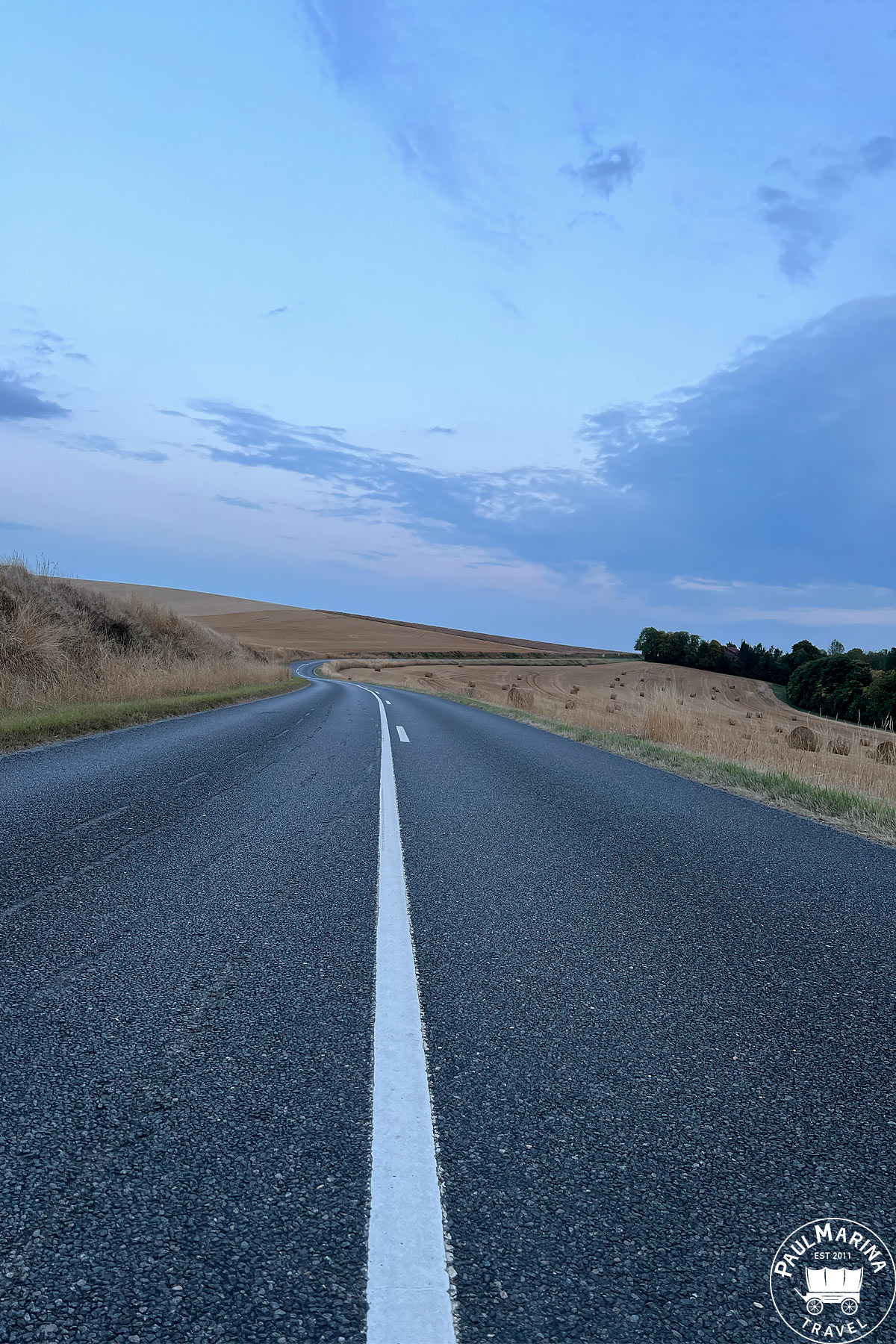
Fortunately, French drivers are not as mad as Italian drivers. Yet, we have come across some dangerous road situations across France.
In the main cities, avoid driving with a rental at all costs. The traffic can be overwhelming, especially in the peripheral highways around the cities. Drivers cut in, people yell at you, and some might target you for an insurance scam.
The car accident insurance scam works as follows: A car horns frantically and gets you to stop the car at the roadside. They claim that you touched their car (they will show you a paint mark or dent on their car), and they will ask for a cash compensation. Don't give them money; tell them that you want to take it through your insurance, and they will drive off.
Add to that, avoid driving mountain roads if you have never done that. Safety barriers are not always clearly set, and roads can be slippery in autumn and winter.
How to Stay Safe? Only drive a rental car in France if you are an experienced driver.



Comments
No Comments