

Switzerland is a special place in Europe because it has many official languages.
Four official languages, and a diverse population; I explain what languages you can expect to hear on your next visit to Switzerland.

Jump to:
What are the native languages in Switzerland?
Switzerland is unique in Europe as it has 4 official languages. This includes, German, French, Italian, and Romansh.
Each language is mostly spoken and used in a specific region or area in Switzerland.
All the signboards, tickets, and information in Switzerland use either one of the languages and a combination thereof.
So, for example, in Zürich, you will encounter Swiss-German and in Geneva, it's French.
Incidentally, I have never met a Swiss person who spoke all four official languages in Switzerland. Most natives speak one or two languages at most.
I know that because I worked for a while for NGOs in Switzerland, and I spoke to many locals daily.
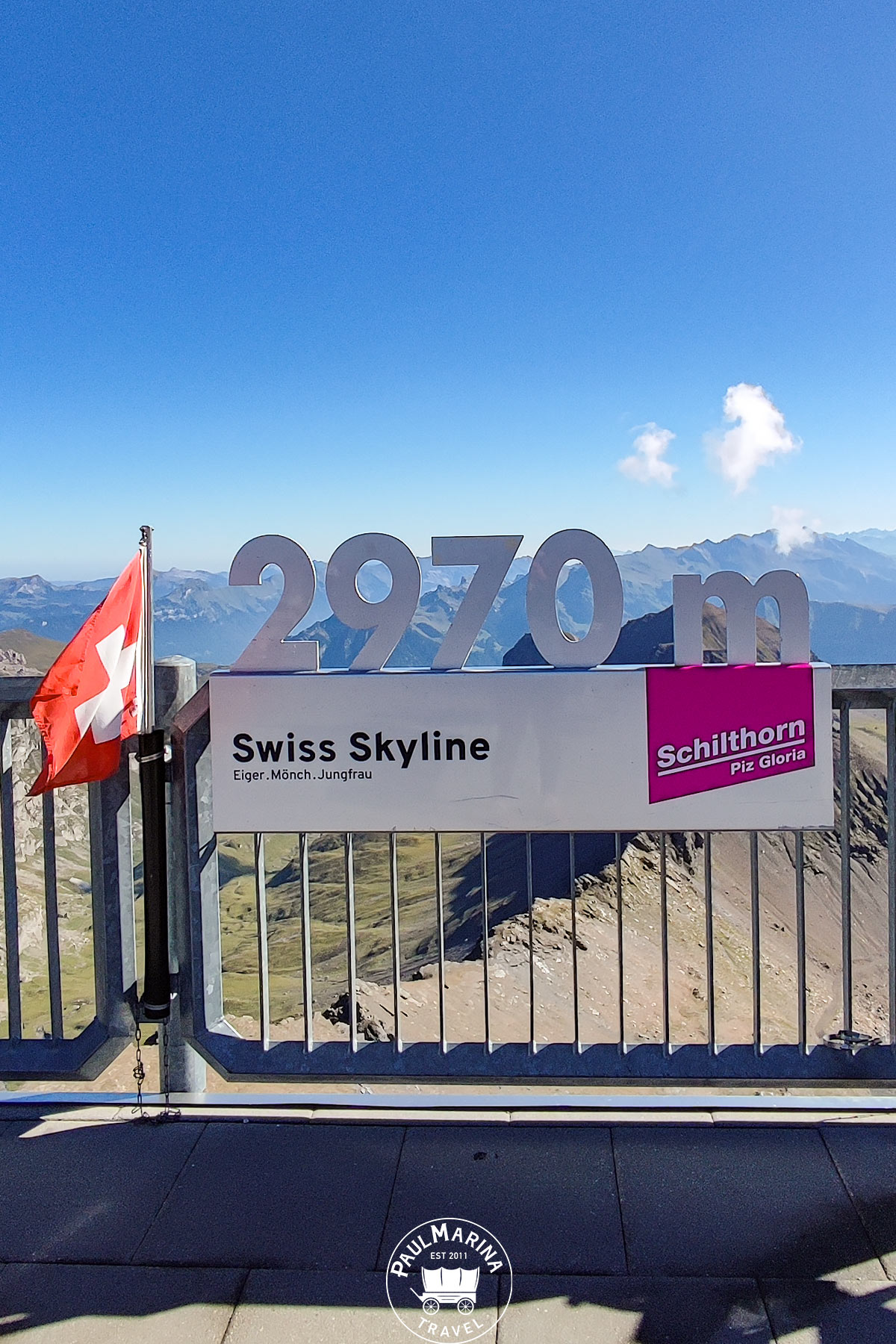
Language Regions and Map

The most spoken language spoken in Switzerland in Swiss-German. It's a version of the German language, but to be honest, it's very different and other German-speaking countries struggle to understand Swiss-German.
Swiss German is spoken in the north and central Switzerland. French is spoken exclusively in the west of Switzerland, Italian is spoken in the Ticino region primarily and Romansh is the native language of the Graubünden region.
Swiss German, French, and the Swiss Italian, which resembles Lombardy Northern Italian, are the primary languages.
Romansh is a Rhaeto-Romance language. It's literally a leftover language of the Roman Empirein fact, Rhaeto refers to the former Roman province of Raetia.
Romansh is closely related to Latin and the Ladin language, which is native to some valleys in South Tyrol and Trentino in Italy.
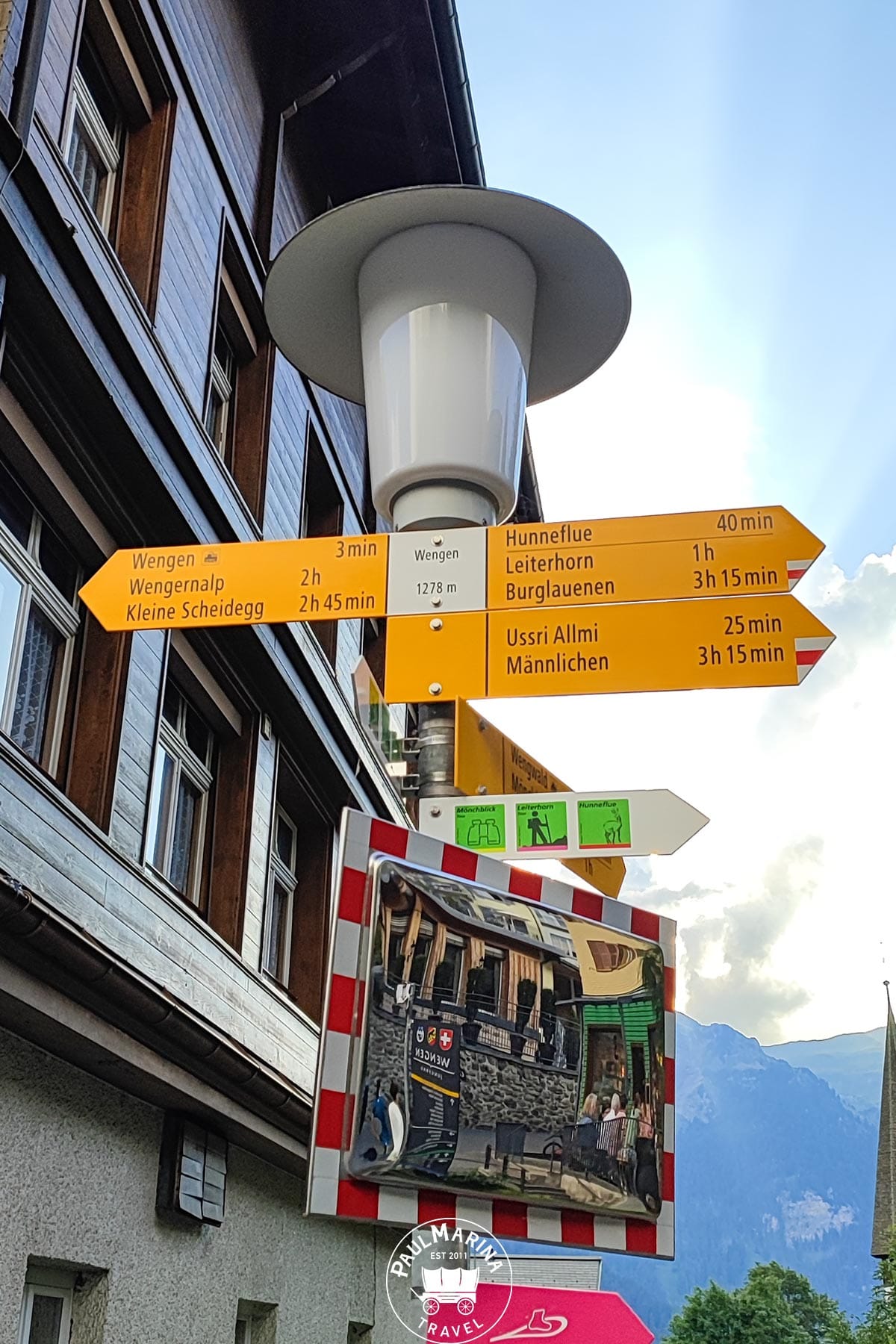
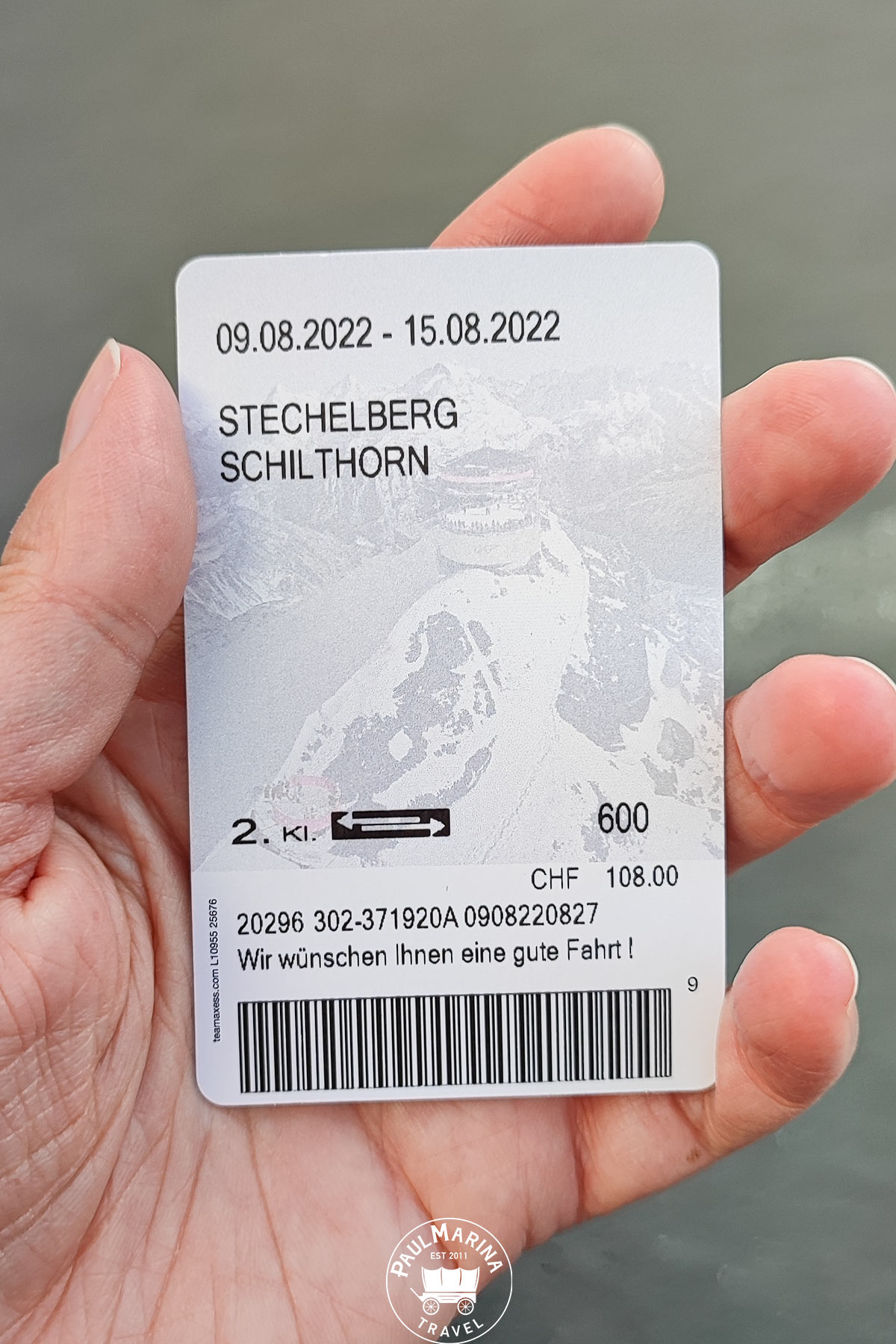
Is English spoken and used in Switzerland?
Yes, every child in the past 30 years in Switzerland has had English as a compulsory language learned.
Therefore, most of the younger population do speak, understand and write fluently English.
Besides, I have encountered many immigrants in Switzerland and this group of people always spoke English seamlessly
As a visitor, it's easy to move around in Switzerland because switching between languages comes natural to them, and English is just another language that they will speak to communicate with visitors from all over the world.
But keep in mind, English proficiency is mostly common in cities and popular tourist places.
After all, Switzerland is a mountainous country and certain valleys and mountain top villages are still very rural.
If you need help in English from a local in Switzerland, I recommend approaching a younger person versus elderly people.

Language Table: Swiss Tourist Places
When I visited for the first time, I wished I had a table with all the popular Swiss tourist destinations and the most common language spoken there.
Because I wasn't able to find one, I made one below.
| Place | Language Spoken |
| Zürich | Swiss-German |
| Geneva | French |
| Bern | Swiss-German |
| Basel | Swiss-German |
| Gstaad | Swiss-German |
| St.Moritz | Swiss-German & Romansh |
| Lauterbrunnen | Swiss-German |
| Grindelwald | Swiss-German |
| Interlaken | Swiss-German |
| Lausanne | French |
| Lucerne | Swiss-German |
| Ascona | Italian |
| Ticino | Italian |
| Kandersteg | Swiss-German |
| Zermatt (Matterhorn) | Swiss-German |
| Gruyères | French |
| Nyon | French |
| Stein am Rhein | Swiss-German |
| Appenzell | Swiss-German |
| St.Gallen | Swiss-German |
| Davos | Swiss-German & Romansh |
| Arosa | Swiss-German & Romansh |
| Winterthur | Swiss-German |
| Bernina Pass | Swiss-German & Italian |
| Chur | Swiss-German |


Comments
No Comments