

We visited 5 breathtakingly beautiful medieval cities in Transylvania, Romania.
Each is special in its own right and should be added to your itinerary. Get mesmerized and inspired with our photos!

Jump to:
Where is Transylvania?
Transylvania is a historical region located in the north-west of Romania. This region is rich in history and different cultures called it their home.
What you should know about Transylvania
Hungarians, Austrians, German Saxons and 200 years ago, the Romans; All left their footprint in this stunning country.
Therefore, the region is also known as Siebenbürgen in German and Erdély in Hungarian.
German-Saxons were invited to settle in Transylvania in the 12th century, and they brought their handcrafting skills and culture with them.
All the major cities in Transylvania are influenced by the Transylvanian-Saxons, and it's visible in the medieval architecture, food, and culture.
Therefore, a traditional countryside, charming medieval towns, and the untouched Carpathian forests with the last wild life of Europe are all fantastic reasons why you should head to Transylvania.
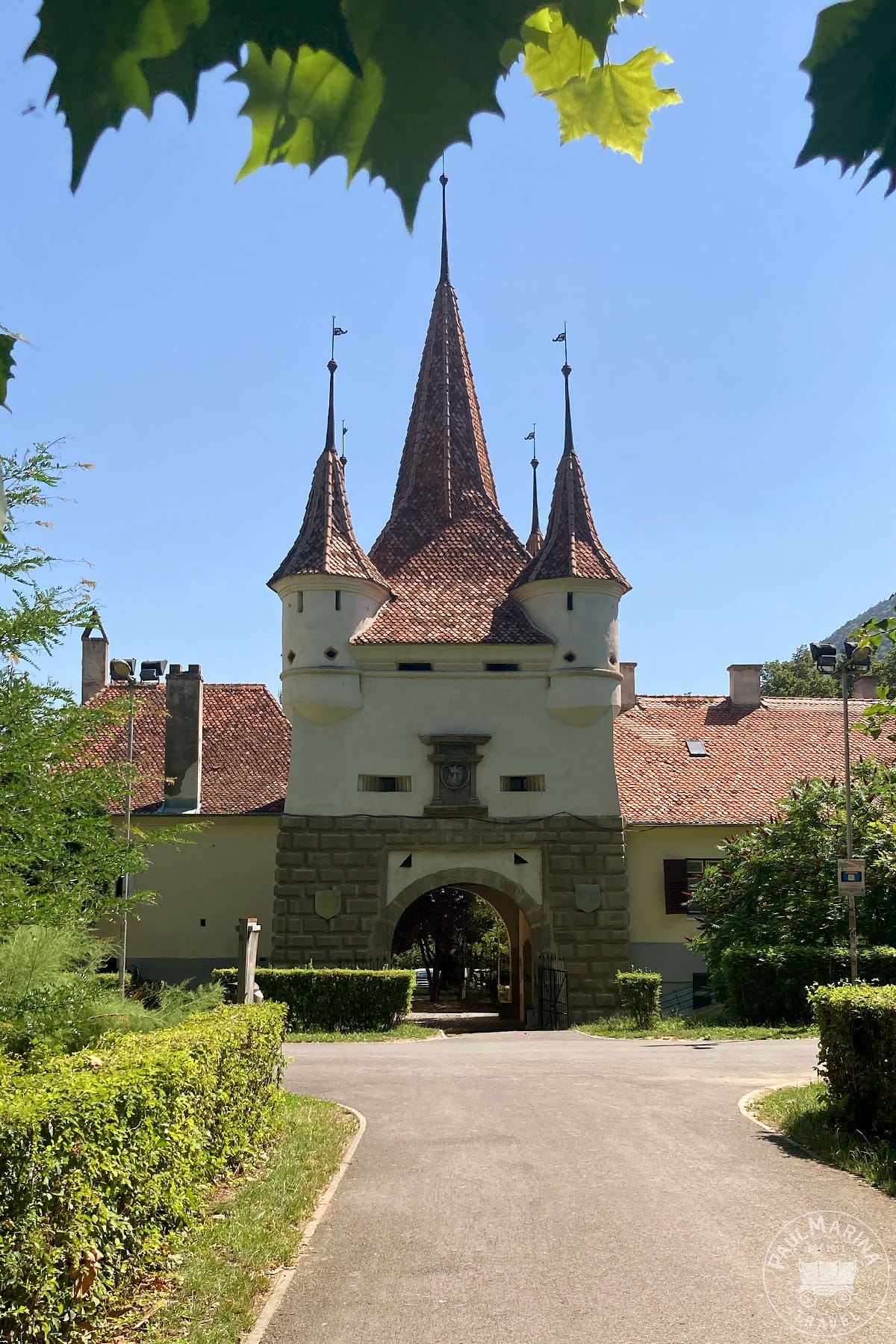
Sibiu
At the heart of the Sibiu county lies the incredibly charming city of Sibiu. The city is also known as Hermannstadt in German and Cibinium in Latin.
In 2007, Sibiu and Luxembourg city were both named the European Capital of Culture, which elevated the international status of Sibiu immensely.

We entered Sibiu after an eventful road trip along the stunning Transfăgărășan, which we wholeheartedly recommend, and were mesmerized by the enchanting scenery.
Cobbled streets, regional buildings, and leftovers of the fortification surround two large city squares of the upper town, while the lower town buildings are pure eye candy.

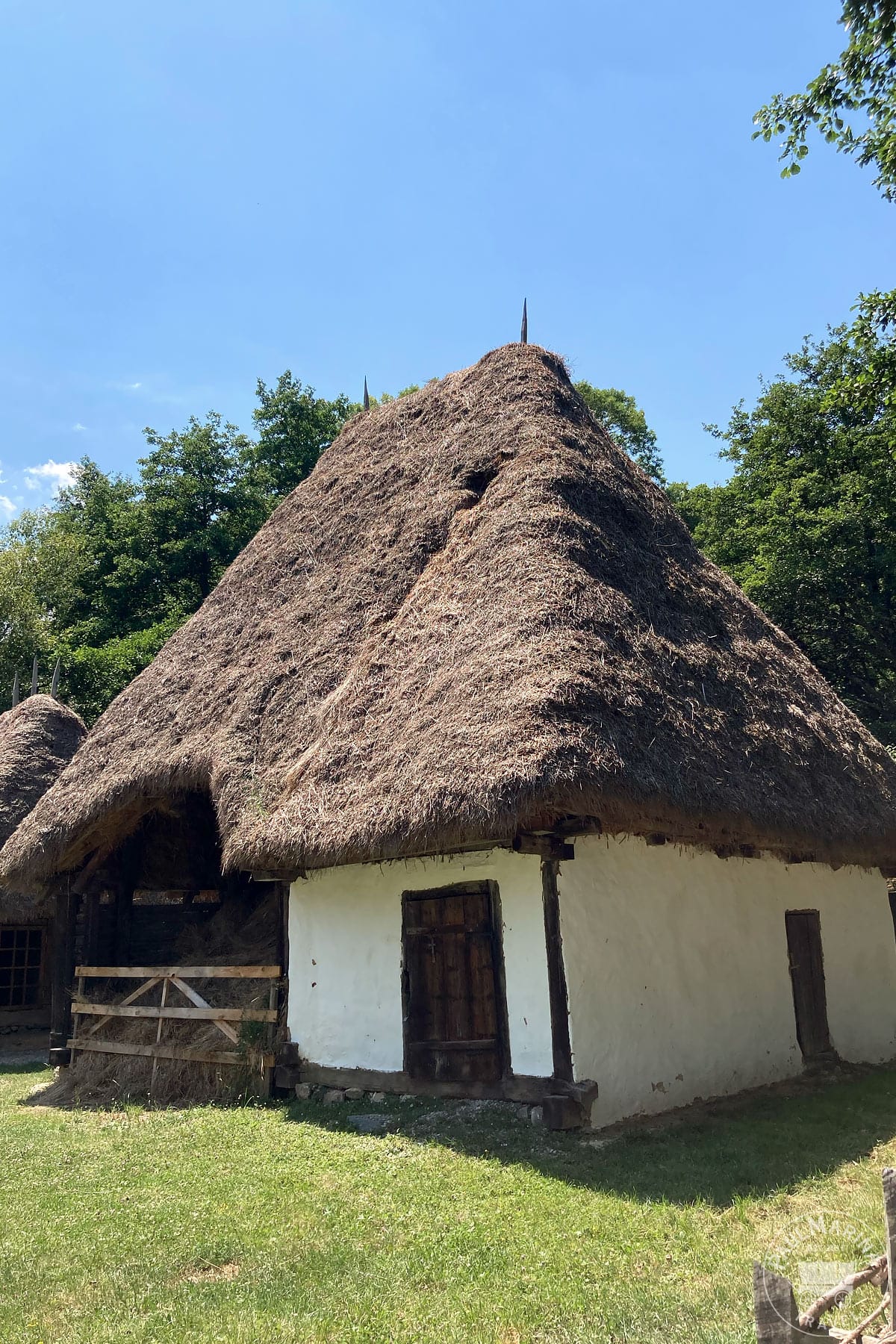
Just outside the city, a day trip away, lies the Astra national museum, which is the largest outdoor ethnographic museum in Europe.
Over 400 houses from all over Transylvania with exhibition pieces from ethic minorities can be seen on a day trip from Sibiu.

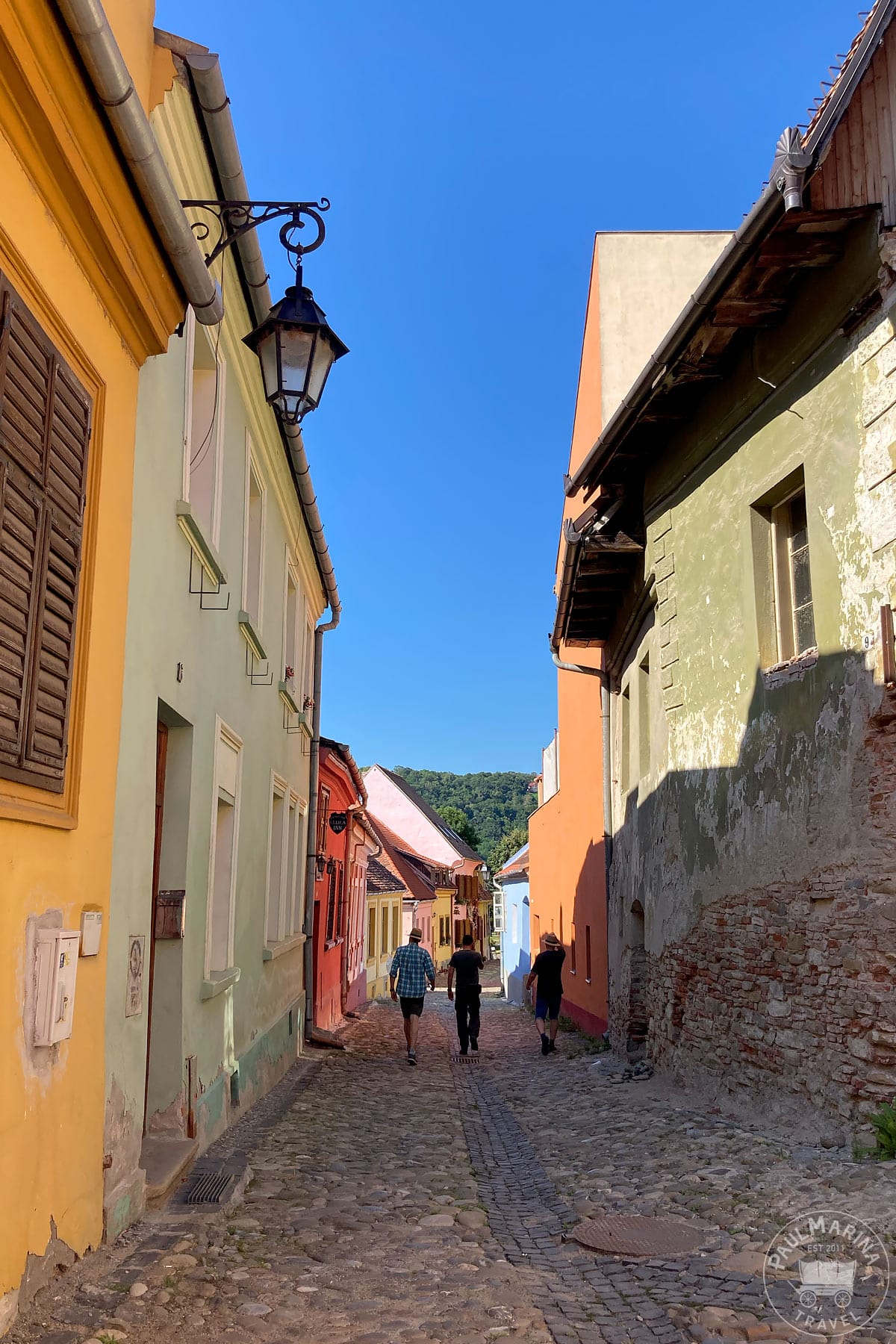
Sighișoara
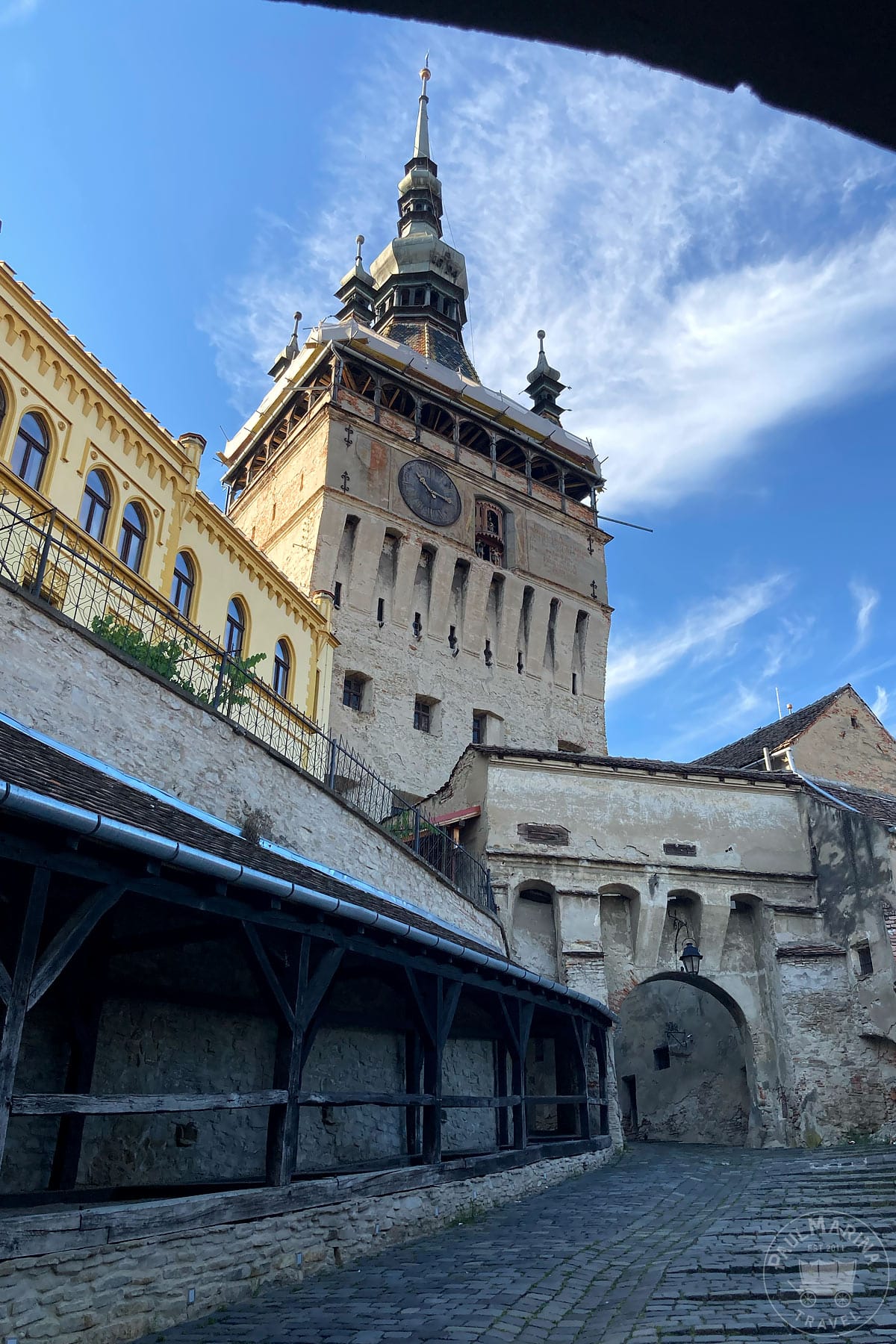
Sighișoara in the Mureș country, is one of the best preserved medieval cities in Romania, and in Europe, and it received the UNESCO World Heritage status in 1999.

This town came highly recommended from our friend Easy Peasy Creative Ideas.
She was so excited to see the old town that she couldn't sleep the night she got there with her family.
The lower part of town will leave you amazed with its rows of brightly painted buildings.

Walk up the cobbled streets through the fortified gates, and you will be thrown back into time.
You'd most certainly imagine Sighişoara when you think of Transylvania and Dracula.
As a true legend, Vlad Dracul, the father of Vlad the impaler, was born in Sighişoara.
Brașov
A mere 2 hours drive away from the capital Bucharest, lies Braşov, tucked away in the Carpathian Mountains near the jet-setter winter ski resorts of the country.

The old town with its large central street is a busy hub for people from all over the world because just an hour away, lies the all famous Bran castle, which is better known as the Dracula castle.
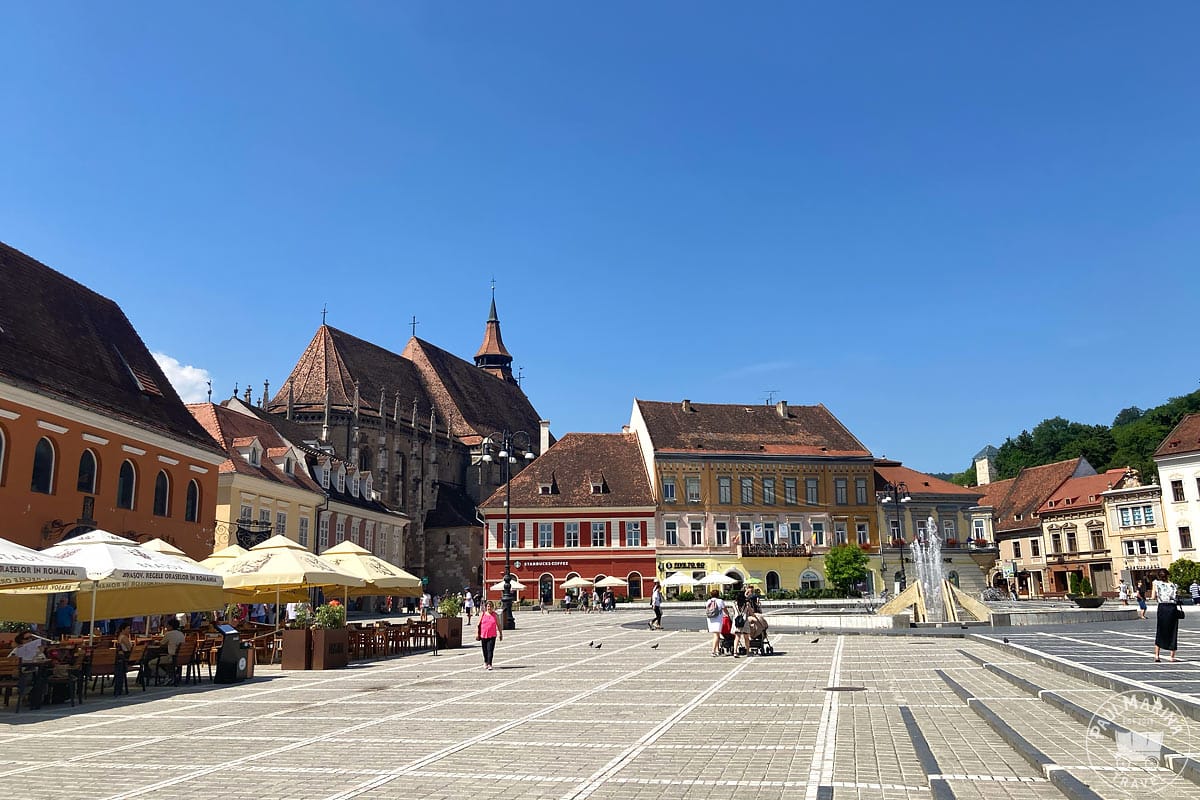
Quaint shops, luxurious boutiques and first class restaurants can be found in the old medieval buildings in the heart of Brașov.
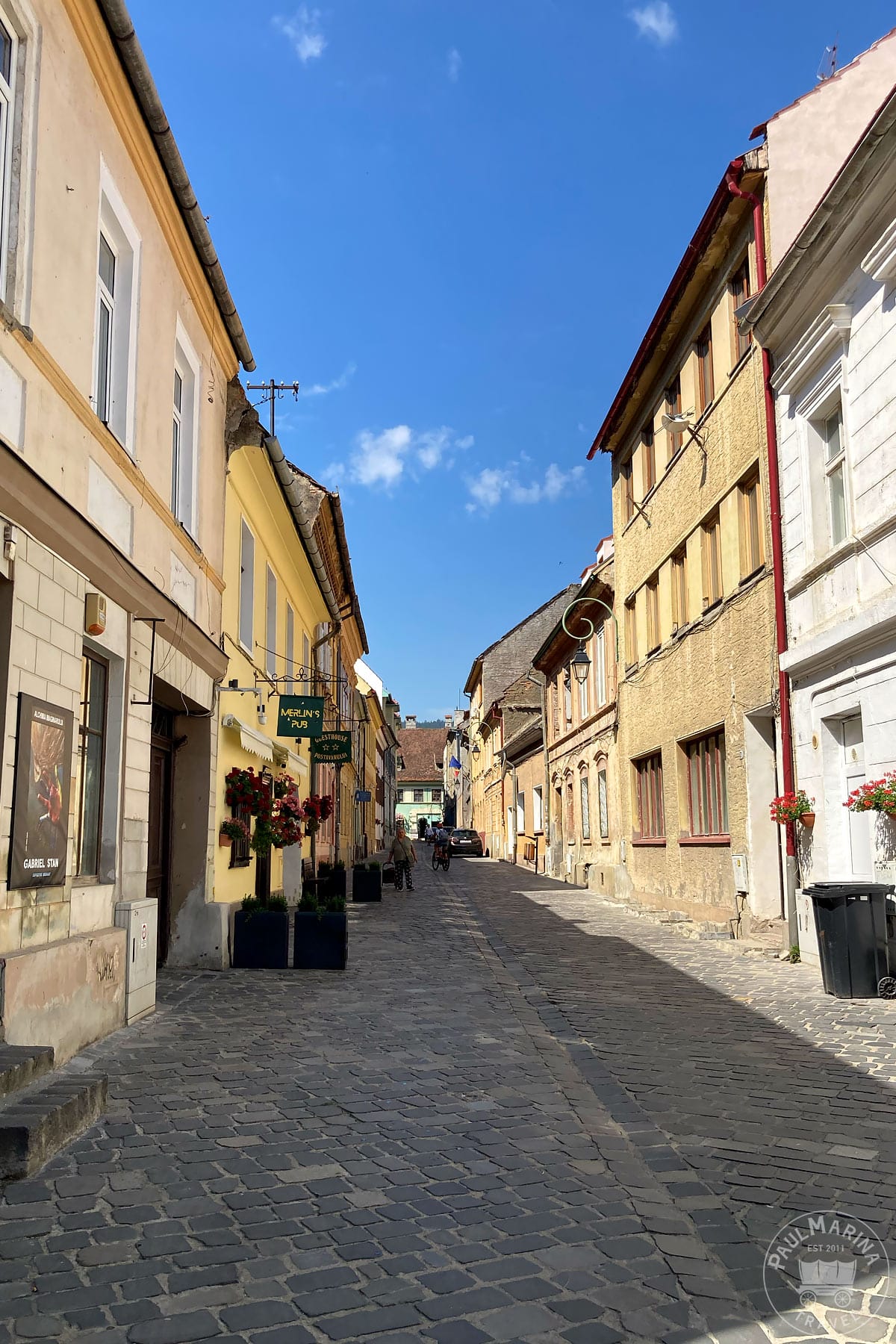
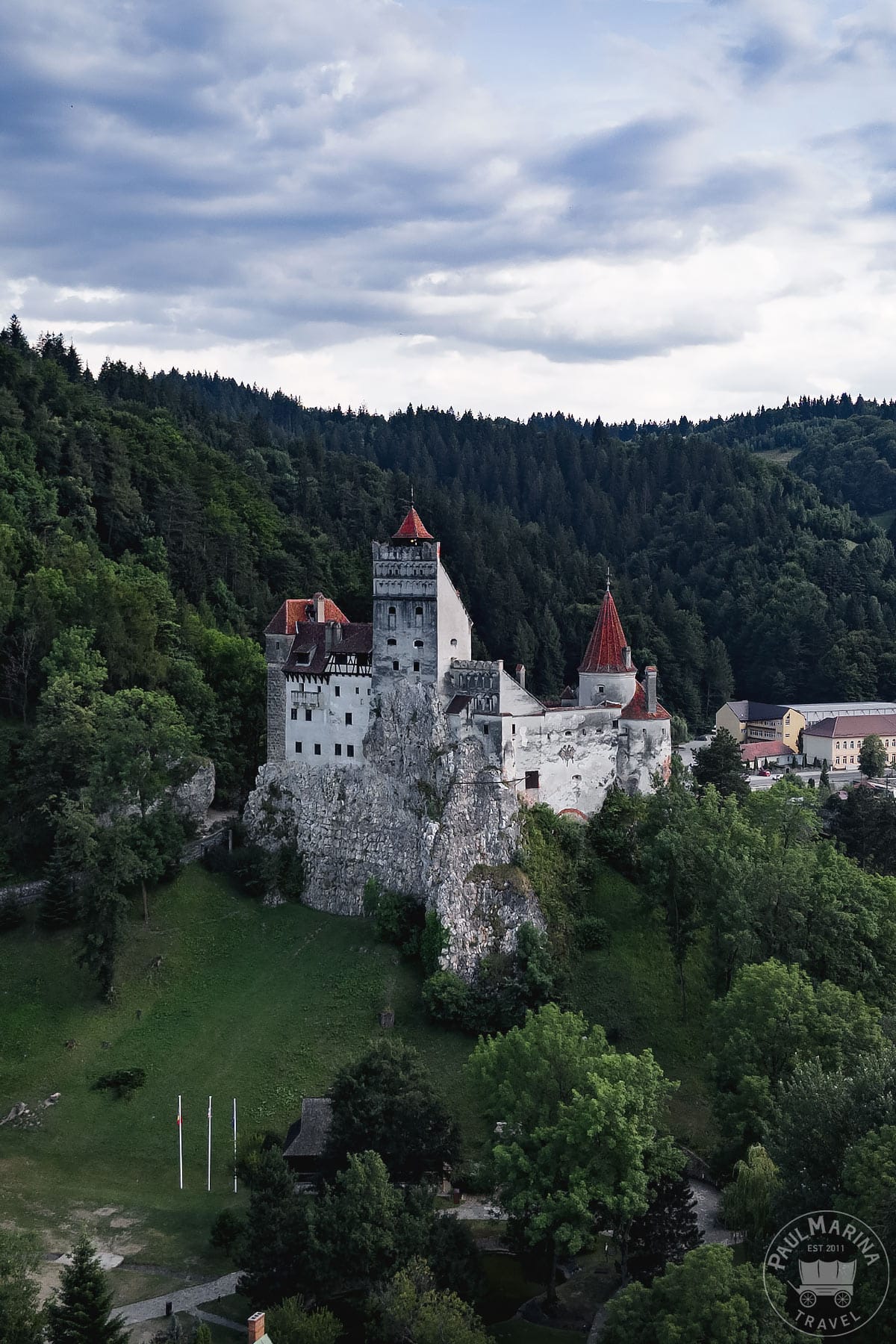
We experienced some of the best local food specialties and hospitality in Brașov, and therefore we can't recommend it enough.
Brașov is also the place to be if you are looking for a hiking tour in the Romanian Carpathians. Take the cable-car up to mount Tampa to soak in the unforgettable view of Brașov.
Alba Iulia
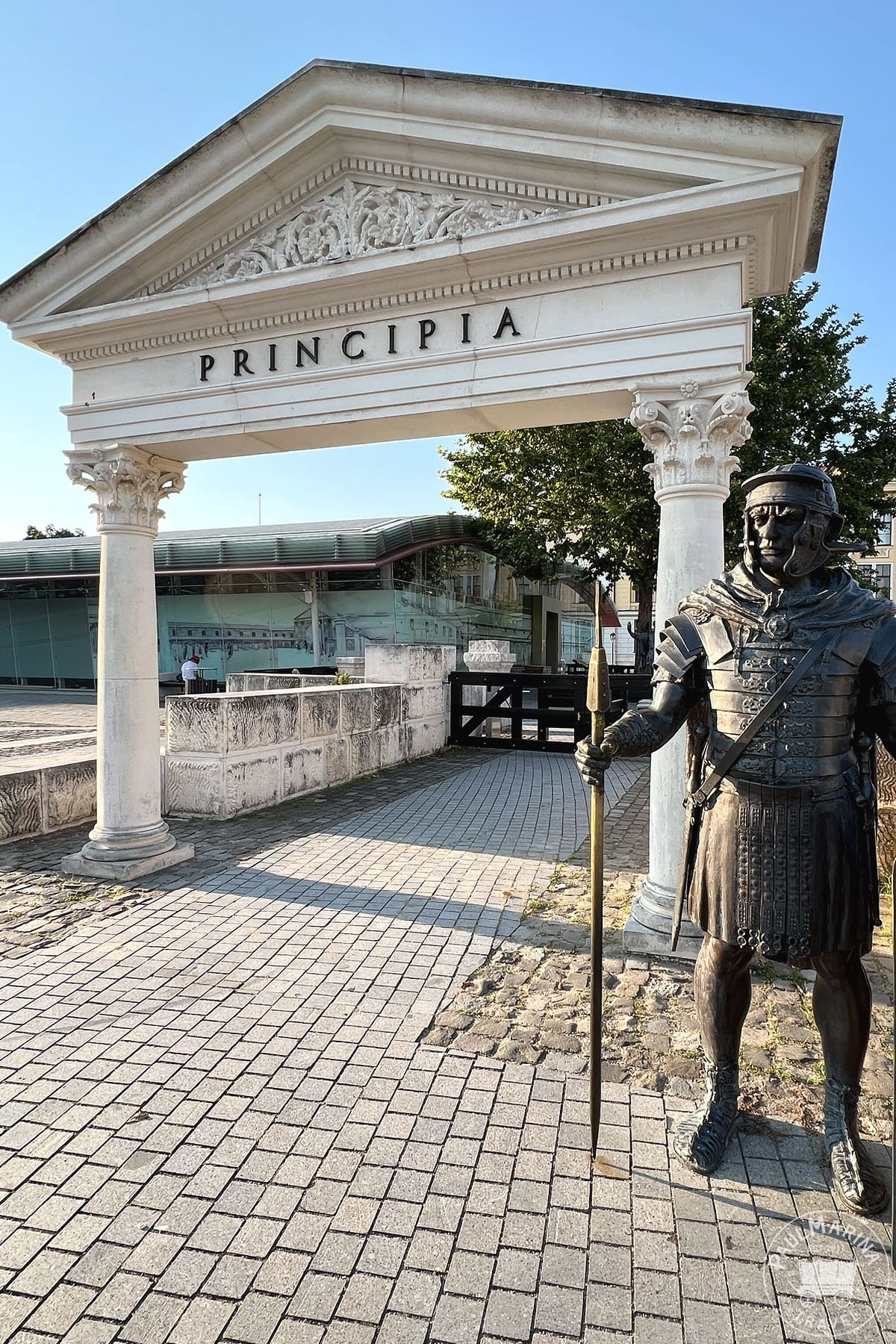
Alba Iulia was known in Ancient Rome as Apulum, and it is believed that it was taken from the ancient Dacian people.
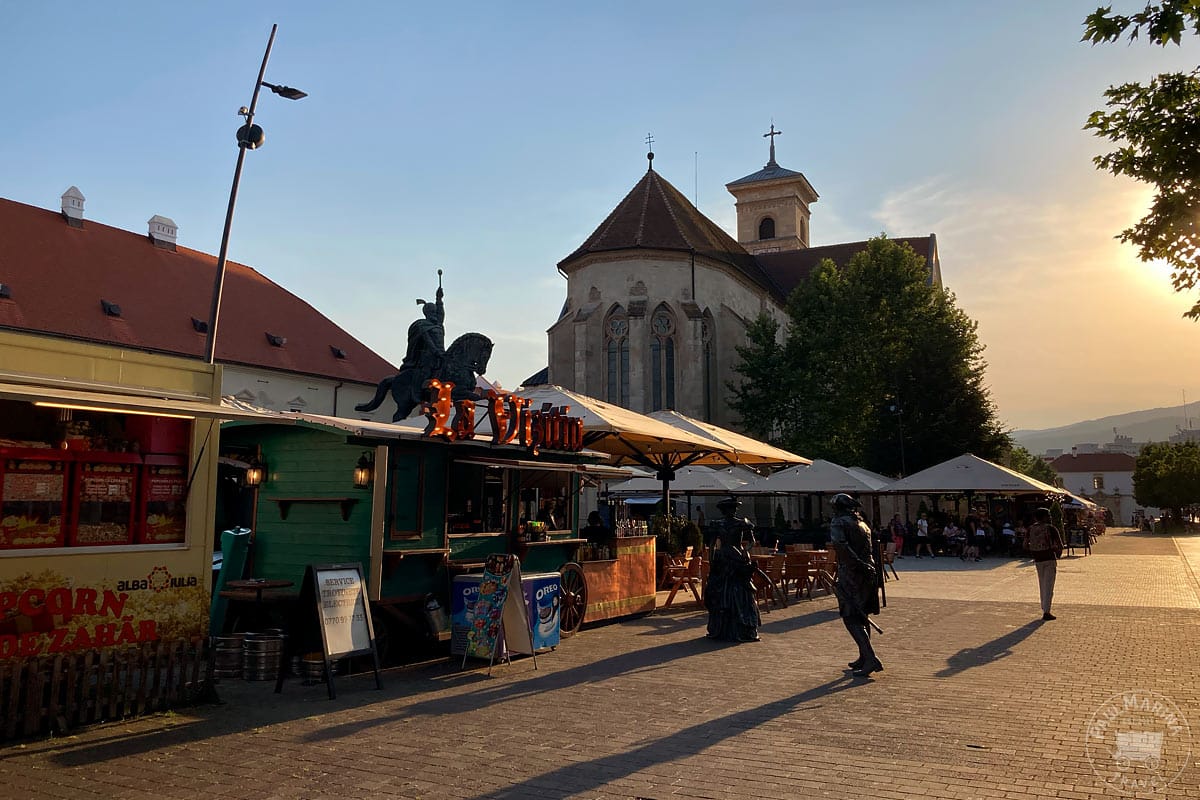
During the Middle Ages, it was the administrative center of the province of Transylvania.
Over the centuries, Alba Iulia saw many rulers come and go, including the Habsburg emperor Charles VI, who built the star shaped upper town citadel.
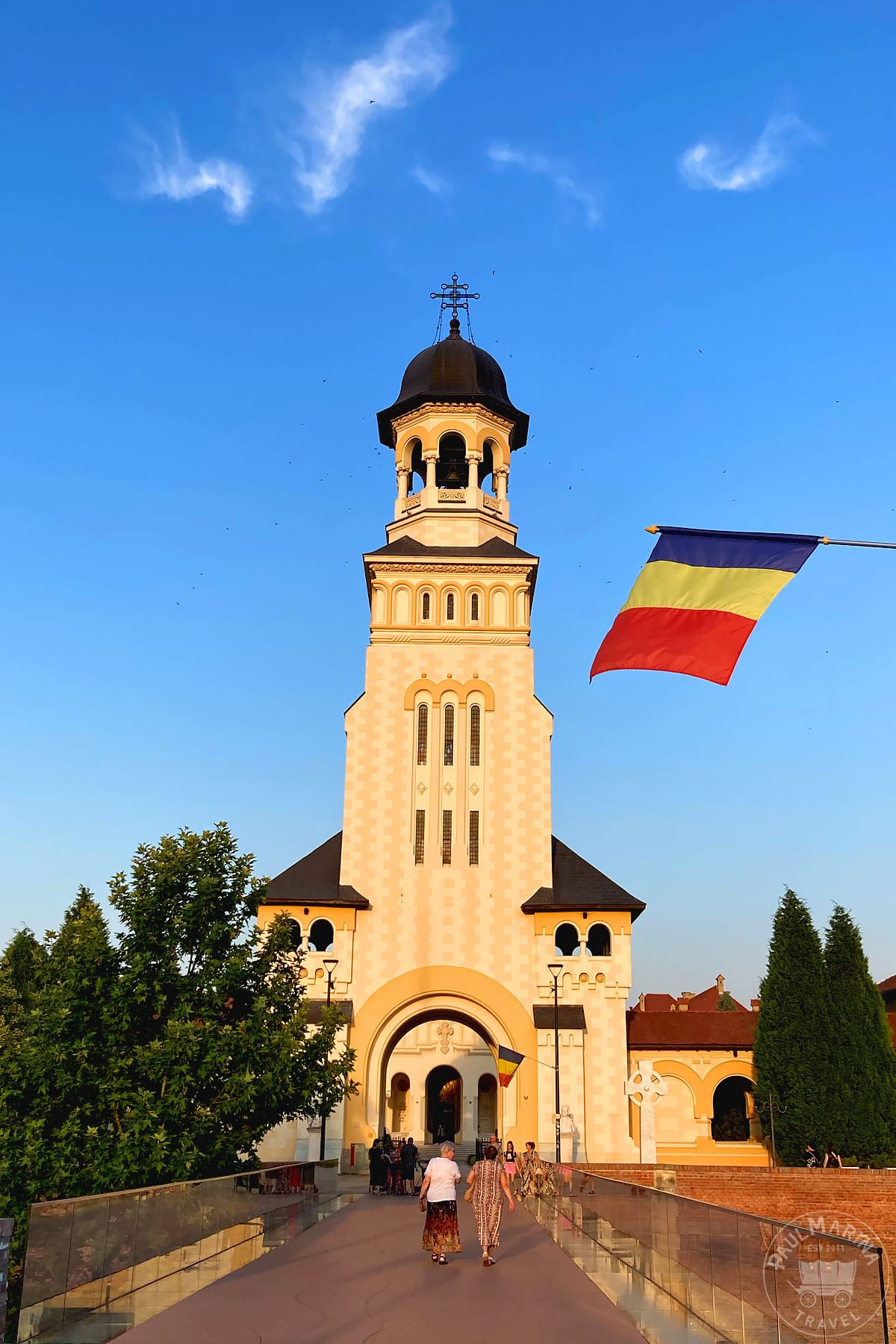
The citadel is truly one of the most amazing ones that we have encountered so far!

Behind the tall bastion walls lies one of the most exquisitely preserved citadels in Europe, with mixed Baroque, Romanesque and Medieval elements.
Alba Iulia is also a significant city for the modern-day Romanians, as the Great Union of Romania was declared in Alba Iulia, which merged Transylvania with the Romanian nation in 1918.
Cluj-Napoca
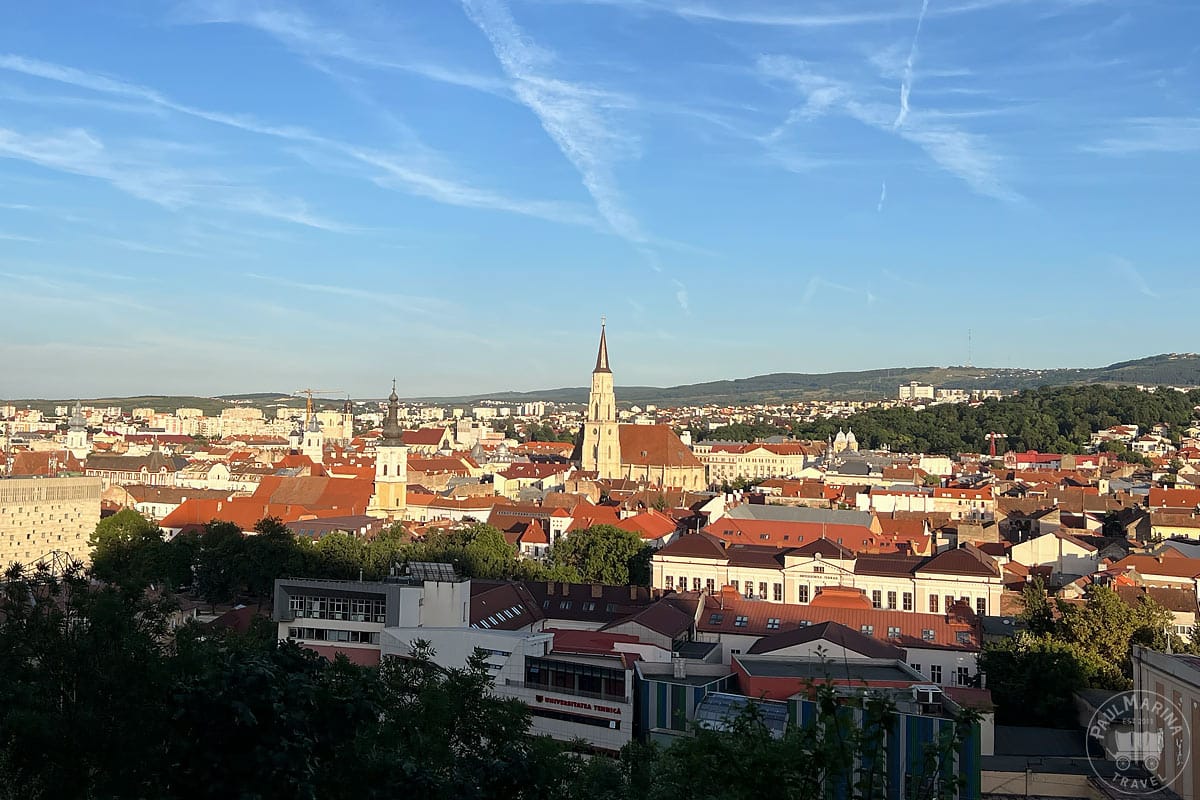
Cluj-Napoca, better known simply as Cluj, is the second-largest city in Romania after Bucharest.
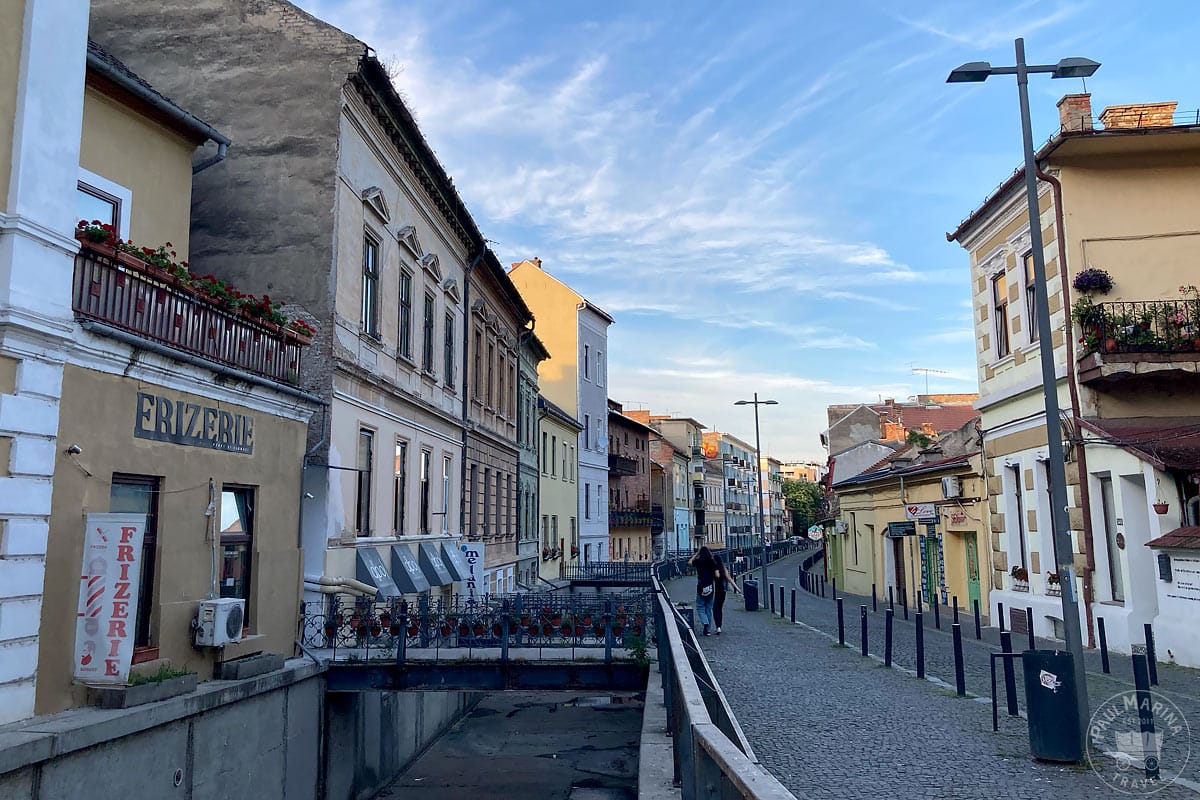
The old town is charming but much simpler compared to the other previously mentioned.
Most medieval buildings have been modified over the ages, but you can still observe medieval facade elements on a stroll across the city.
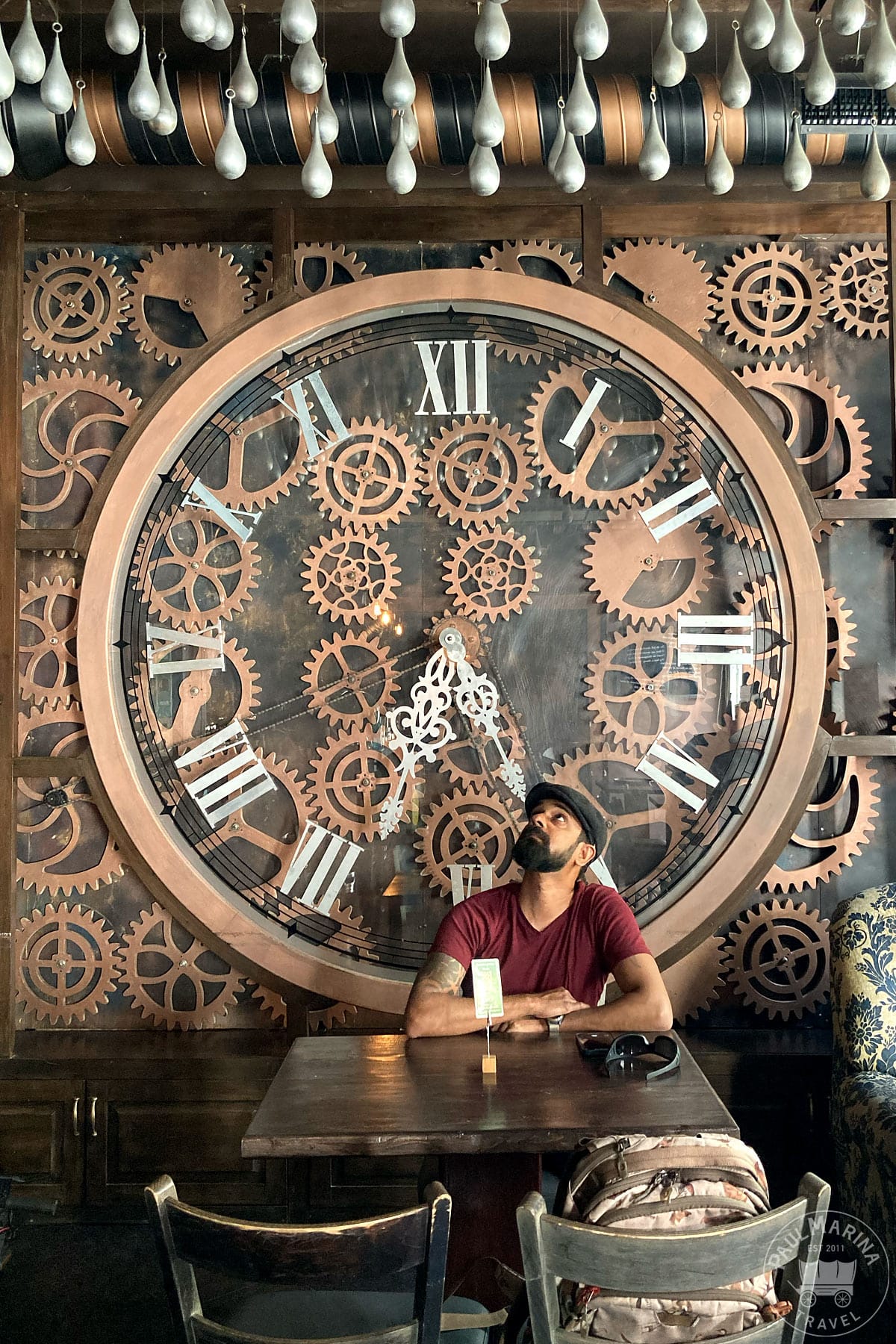
What makes it a truly unique place is the steampunk theme across the old town.

Many cultural events are also held in Cluj all year round, and the rich and famous love to hang out in Cluj.
Just a day trip away are the Salina Turda mines, which are vast underground salt mines. You will never experience this anywhere outside this region!
Located just outside the city is the famous Hoa forest, which has also been dubbed the Bermuda triangle forest, all thanks to the countless unexplained occurrences.


Comments
No Comments