

Italy has so much to offer all year round, and frankly, there is no perfect time to visit.
Instead, you can pick your interests and seasonal needs to reveal YOUR best moment to visit Northern, Central, or Southern Italy.

I have set up 3 tables for northern, central, and southern Italy. Here you can look up, as per your interests, the most suitable time to visit each area in Italy.
Northern Italy
The Northern Italian regions are comprised of Piedmont, Liguria, Lombardy, Veneto, Emilia-Romagna, Trentino-South Tyrol, Friuli Venezia Giulia, and Valle d'Aosta.
Some well-known cities and places in those regions are Milan, Venice, Verona, Dolomites, Cinque Terre, Lake Como, Lake Garda, Trento, Bologna, and Genoa.
San Marino, which is a city-state and not Italy, is surrounded by Emilia-Romagna.

| The Best Time to Visit Northern Italy | |
| Beach | Mid to end of June, July, August, and if the weather is ok, September. |
| Swimming in Lakes | You can go swimming in Lake Como, Lake Garda, lake Maggiaro in mid-June, July, August, Mid-September. Keep in mind, mountain lakes are always ice-cold! |
| Sightseeing | In the warmer summer months if you mind the cold, or in the colder months if you want to stay clear of mass tourism. |
| Escape Mass Tourism | November to May (except Christmas, New Year's, and Easter). |
| Escape the Heat | To escape the heat, come to Northern Italy between mid-October and mid-March. Temperatures are not all too hot in the mountains in July and August; the higher you are, the cooler it gets. |
| Escape the Cold | To escape the cold, visit from mid-March to mid-October. Places in the mountains are much cooler most of the year. The average temperature is 30 degrees Fahrenheit (0 Celsius) and less in December, January, and February. |
| City Breaks | Spring, fall, and winter. Cities are very busy in the summer. |
| Hike the Dolomites | Mid-May, June, July, August, September. Hiking pathways are prepared in May. Avoid going out hiking when it rains or snows, which can happen in the fall months. |
| Snow & Winter Sports | For snow certainty, January and February. Snow hasn't been falling in the last years in December. |
| To eat Italian Food | All year round, but seasonality is everything, and each region has its traditions. For example, in March you will see wild garlic on restaurant menu cards. |
| Hire and Ride a Vespa | May, June, July, August, and September—basically in the warmer months because the cold wind on a bike can harm your kidneys, and you'll be left with a UTI. Keep in mind that the mountains are much colder! |
| Cattle Drive | Mid and end of September. |
| Krampus in the Alps | The first 1–2 weeks in December. |
| Christmas Markets | End of November until 24th December. |
| Carnival in Venice | Carnival in Venice will take place from the 22nd January to the 4th February 2025. |


Central Italy
Central Italy consists of the regions of Tuscany, Umbria, Marche, and Lazio.
This includes the cities of Rome, Florence, Pisa, Assisi, and Siena, and of course also the city-state of the Vatican.
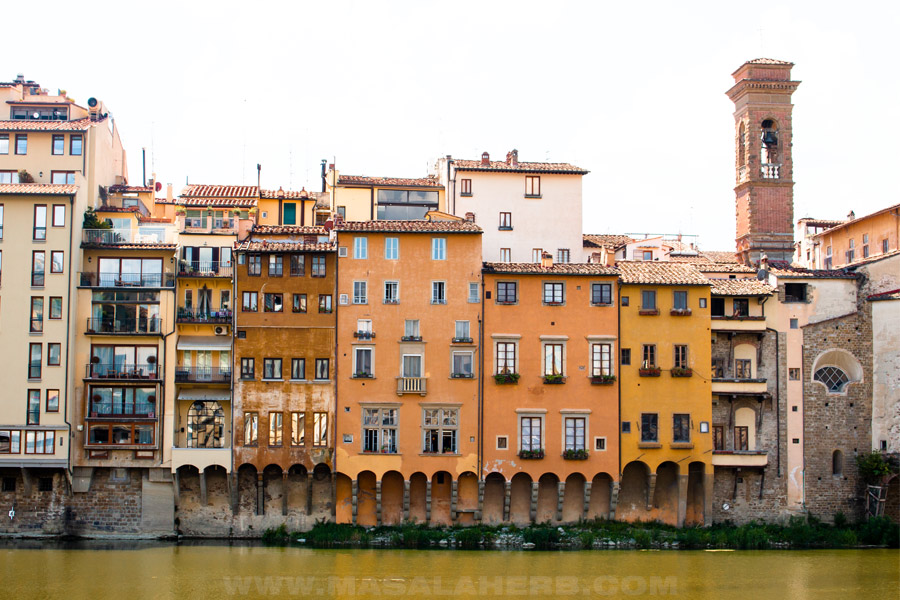
| The Best Time to Visit Central Italy | |
| Beach | June, July, August, September. |
| Sightseeing | It depends on your requirements. The summer months in Rome, Florence, and other popular places such as Pisa, can be extremely busy, with tourist groups filling up the streets. The Vatican has super long queues from April to October. If you want to avoid crowds and heat, visit in the cooler months of the year. |
| Escape Mass Tourism | November to May (except Christmas, New Year's, and Easter). |
| Escape the Heat | The cooler months are from November to March. For example, we found that Tuscany was still very hot for October compared to Northern Italy. |
| Escape the Cold | Visit in spring, summer, and autumn for warmer Italian days. |
| City Breaks | Summers are insanely busy as it's the peak season. It's also rather hot, and ACs are not always common, and room and plane prices shoot up. The cities are great a little off-season. In April and May, you can expect spring blooms, and October and November come with fall foliage, and this can change the appeal of a city in central Italy. |
| To eat Italian Food | Exceptional cuisine is offered throughout the year, however just as in Northern Italy, seasonality is crucial, and each region has its customs. For example, in March you should try artichokes in Rome. |
| Hire and Ride a Vespa | May, June, July, August, September, to enjoy the warm breeze and coastlines. |
| Vatican | So that you don't have to queue to see the Vatican Museum, visit in winter, from November to March. Keep in mind, Christmas and Easter are very busy dates, and the Vatican might close off for special days. |
| Birthday of Rome | 21st April. 753 BC is the year when Romulus and Remus founded Rome. For over 2777 years now, the Romans have been throwing a large party with processions and shows every year. |
| Siena’s Horse Race (Palio di Siena) | Dubbed the most difficult horse race in the world, it is held twice yearly, once on the 2nd of July and the second race takes place on the 16th of August. |


Southern Italy
The regions in Southern Italy are Campania, Apulia (Puglia), Basilicata, Calabria, Sicily, and technically Sardinia as well.
Together, they are known as Mezzogiorno in Italy because these are the sun states.
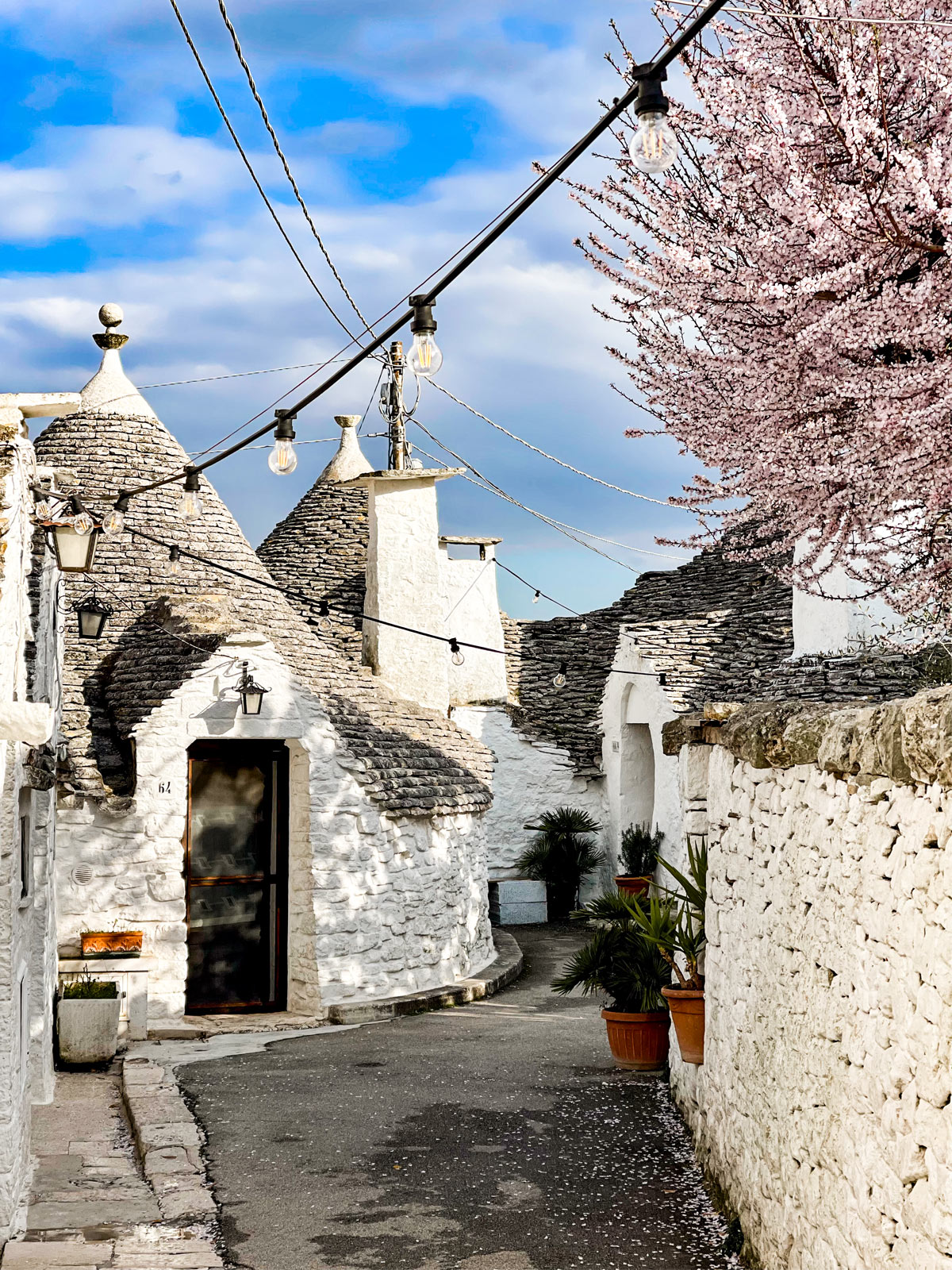
In this area you will find Naples, the Amalfi Coast with Positano, Bari, Pompeii, Vesuvius, Etna, Palermo, Lecce, Alberobello, and also Ostuni.

| The Best Time to Visit Southern Italy | |
| Beach | The more south you go, the longer the hot season will last. You can already go for a swim in March in Puglia. That means the beach season starts in March and ends in November. |
| Sightseeing | Southern Italy isn't as busy as the north, but popular destinations such as Naples and Positano peak in July and August. Therefore, if you want to make the most of your sightseeing trip without having to wait in long queues in the heat, I recommend visiting a little outside the main tourist seasons. |
| Escape Mass Tourism | Visit in October, November, December, January, February, March, April, and May. Visit during the earlier hours of the day, or in the summer it's still bright outside at 8 pm when everyone is dining. |
| Escape the Heat | Visit in the winter months to escape the heat. It can get extremely hot in Southern Italy, as it comes with a semi-arid Mediterranean climate. |
| Escape the Cold | The temperatures in winter average between 50 and 60 degrees Fahrenheit (10-15 Celsius). March, April, and November average at 60 and 70 Fahrenheit (17-20 Celsius), which makes these the best months to visit Southern Italy. |
| City Breaks | Our favorite seasons to visit Southern cities are spring and fall. That means April to experience the spring bloom and October for the fall foliage. |
| Hike Mount Vesuvio and Mount Etna | The weather is mild and suitable for hiking in spring and fall, that's mid-April, May, late September, and October. Both volcano hikes are popular among tourists, so avoid the summer months. |
| To eat Italian Food | Several food festivals (Sagra) take place around the year in Southern Italy. |
| Hire and Ride a Bike | Technically, you can cruise around on a bike all year round, but it can get a bit cold in the winter months. |
| Noto’s Flower Festival | The Baroque flower festival takes place every third Sunday in May in the town of Noto in Sicily. |
| Sardinian Calvacade (Festival of Beauty) | Celebrated annually in mid- or late May in Sassari, Sardinia. The natives dress up to showcase the rich folklore of the region. |



Comments
No Comments