

Rome doesn't run like other European cities, and that's where many travelers get tripped up. This guide helps you spot the common time and money pitfalls early so you can tweak your itinerary before it's too late.
Showing Up Without Prebooked Tickets
Rome offers access to some of the most fascinating landmarks in Europe, and you would rather not waste time or leave without a visit to the Colosseum, the Vatican Museum, or the Borghese Gallery.
You'll mostly struggle to get tickets on-site during the main tourist season. Peak season is the busiest time of the year, and that includes the summer months, June, July, and August, as well as Easter week.

For example, it's impossible to get tickets in July to see the Borghese Gallery. In fact, online tickets are likely sold out by March. You may get lucky with a last-minute ticket if you line up to wait 2 hours early in the morning at the gallery, but the chances are equal to zero on most days.
Generally, I highly recommend that you prebook tickets for your preferred must-see sights to avoid disappointments and prolonged waiting times.
Waiting in the Wrong Line

So this is technically something you rarely ever face anywhere else in Europe or Italy. Queues are organized differently in Rome. At certain sites, they split the lines into two.
One for cash payments and the other for card payments, or prepaid payments (aka skip-the-line tickets) and on-site purchases or regular attraction tickets and guided tour queues.
We mostly noticed this at the Pantheon. Two super long queues and disgruntled visitors because clear signs do not exist.
Therefore, pay attention and ask for help if necessary so that you don't end up waiting 2 hours in the wrong queue.
Public Transport can be Frustrating
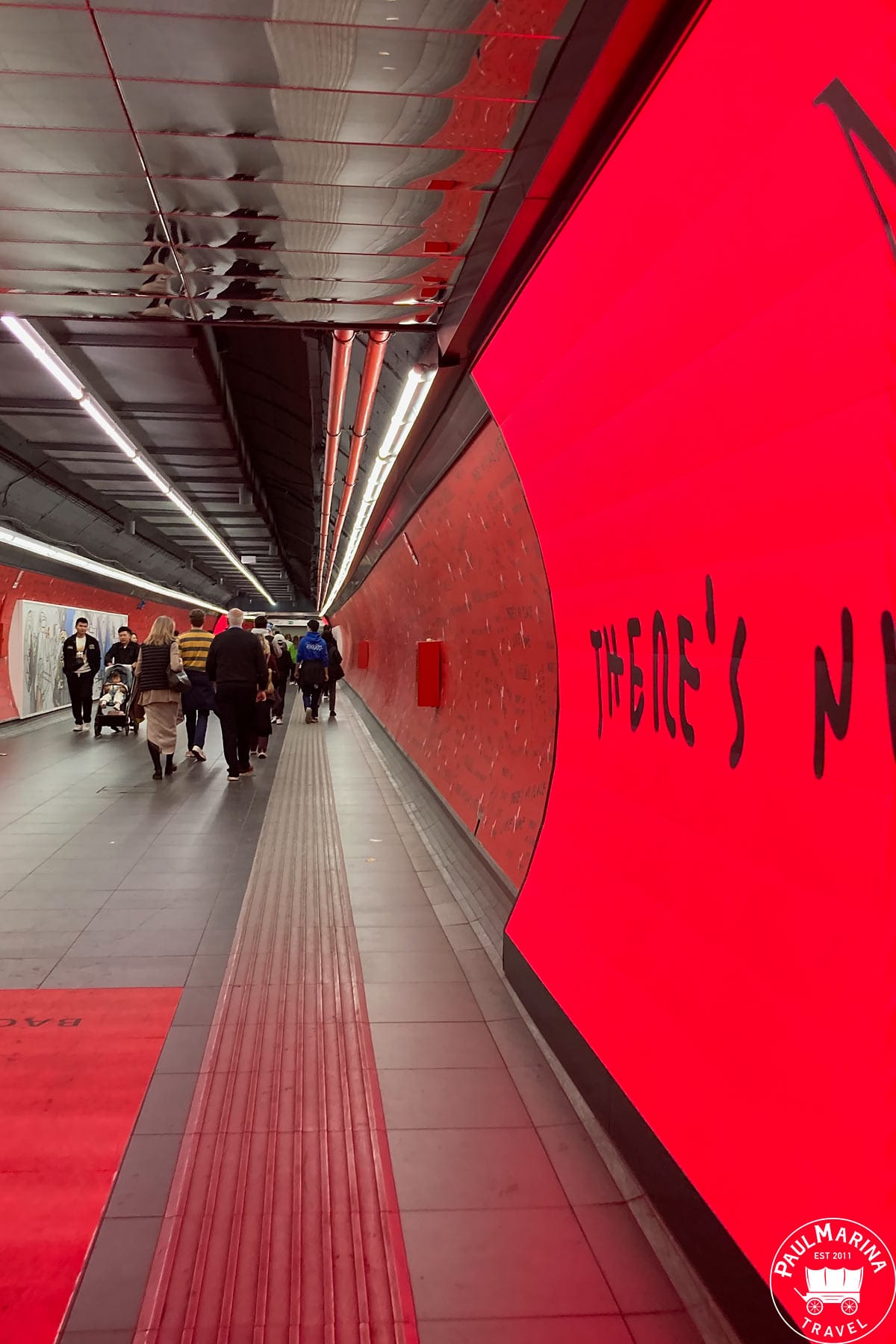
Rome is not like other capitals in the region. Public transport in Europe is usually stellar in other cities in Europe.
Rome, on the other hand, is known for its ancient sights, and that is one of the reasons why subway connections are set the way they are in Rome.
Therefore, you'll mostly come across buses in Rome. Most are packed and very unreliable. The same goes for subway trains.

We wasted time trying to travel between major landmarks. Once we even ended up in the middle of nowhere. Some Roman outskirts, without a working subway system due to a system failure, which forced us to navigate blindly with the local bus system to get to the city center. And that on Easter Sunday!
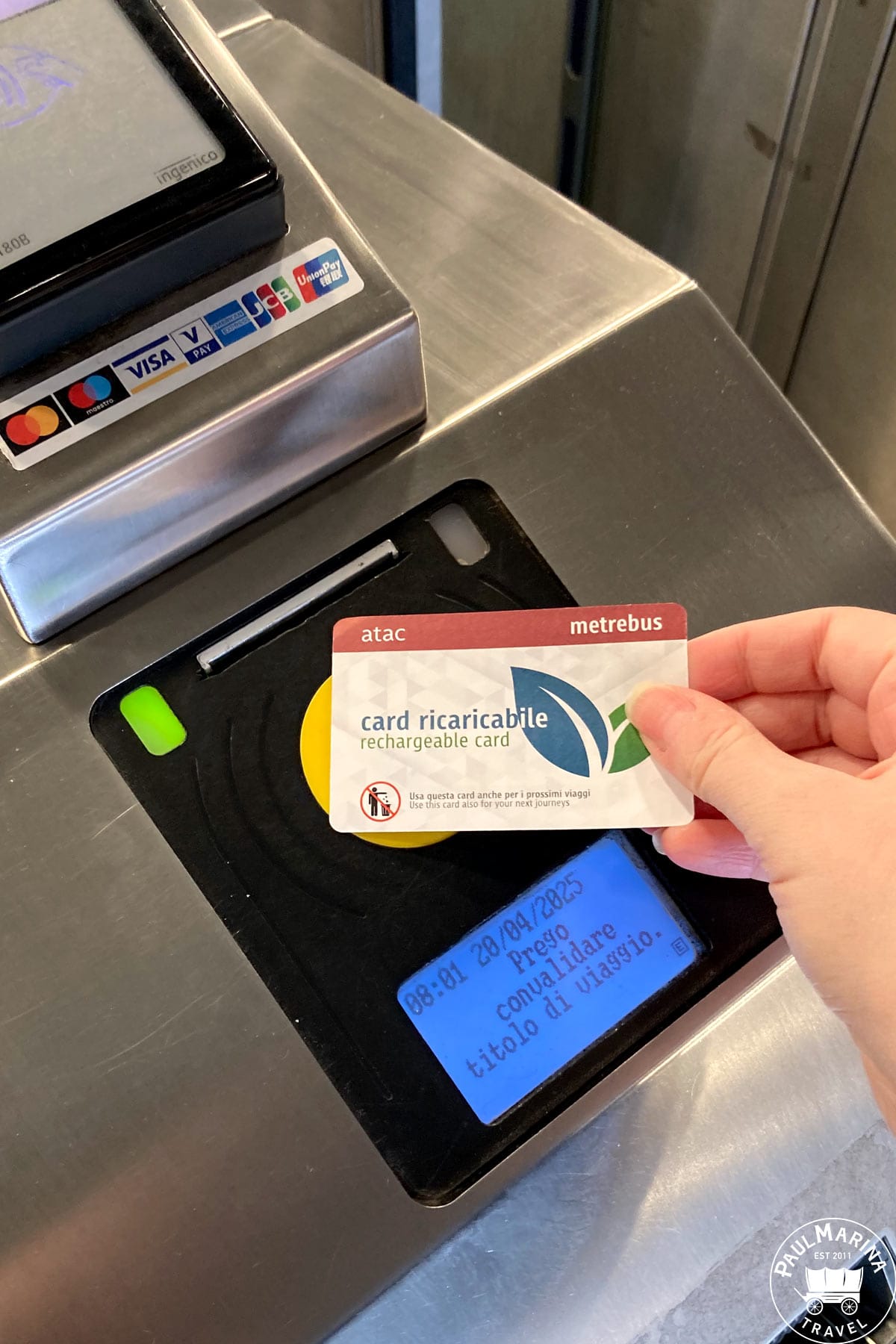
Another pro tip: do not forget to validate your ticket after a purchase at the vending machine, or you will get fined 150 euros.
Underestimating Walking Distances

We are guilty of doing this! We totally underestimated the walking distance of everything in Rome, and the public transport system is partially to blame for this.
Everything looks like it's nearby in Rome, but it's not, and walking around can get exhausting. We misjudged the weather in April; it was hotter than anticipated, and walking around just amplified our discomfort.
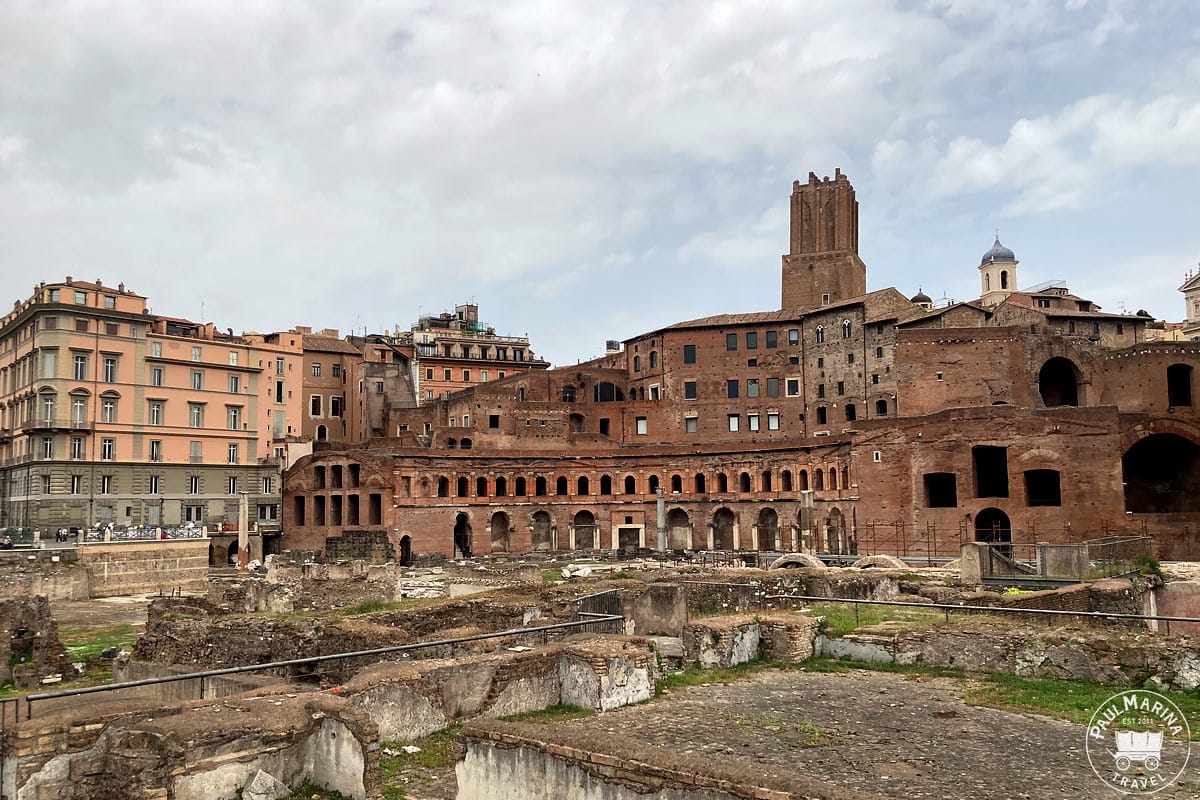
We also thought that walking around would give us a more complete impression of Rome, but to be honest, we came across a lot of dodgy tourist souvenir shops instead.
The best way to approach this is to stick to a certain area in a day and move to other areas on subsequent days in Rome. Doing this, you'll be avoiding prolonged traveling times.
Eating Next to Major Landmarks
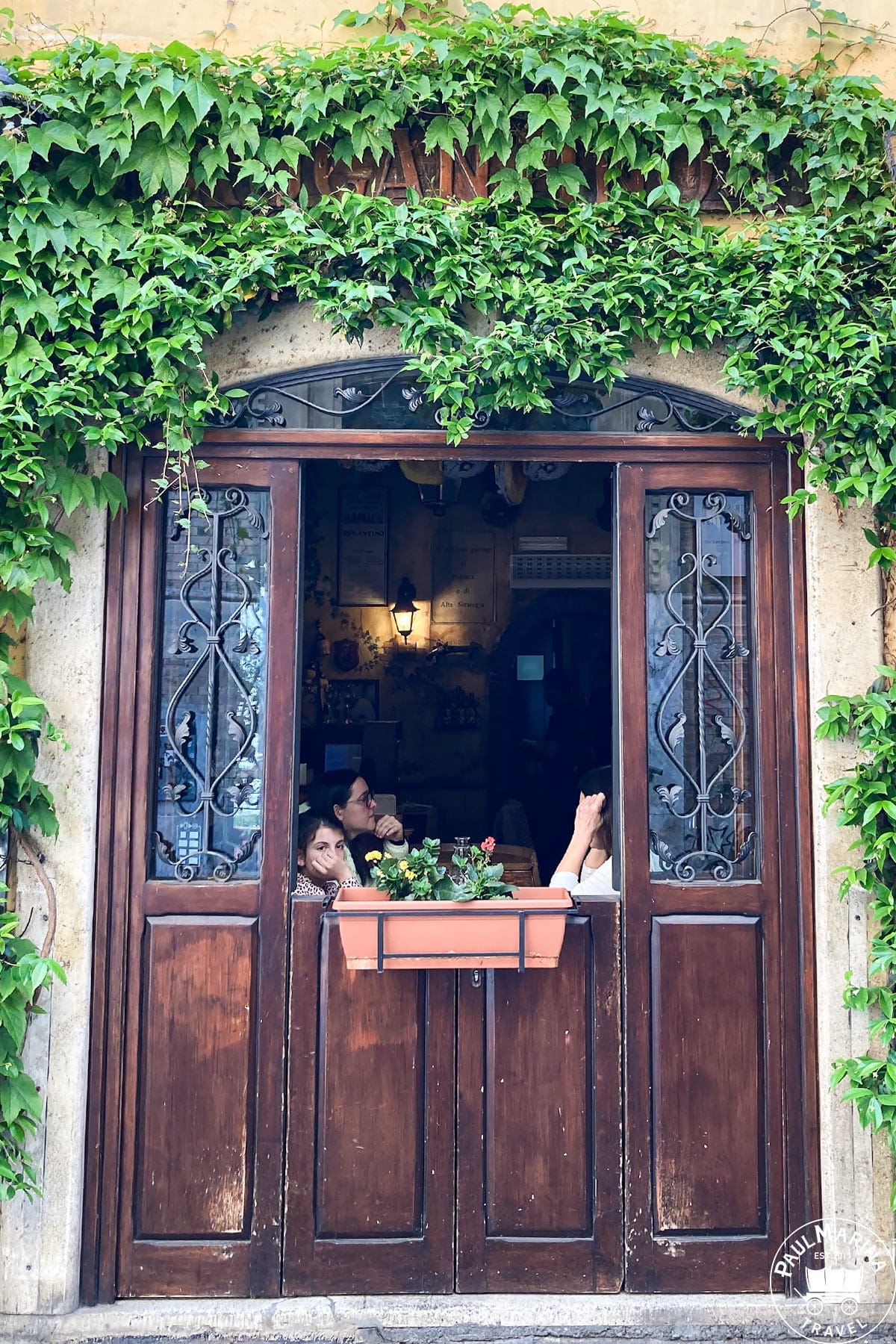

You might have heard this one before. Don't fall for a food establishment located right next to popular landmarks. This is all the more true in Rome, a city that has been around for more than 2000 years.
These food and drink places tend to serve subpar products at a much higher rate than anywhere else. It's a classic tourist trap, and trust me, you'll definitely never see locals hanging out in these places.
Avoid sitting down at a restaurant or cafe next to the Colosseum, the Trevi Fountain, or the Pantheon. Just walk a little further away, and typically you'll find much better places with stellar food and service.
Sitting Down Without Checking Prices
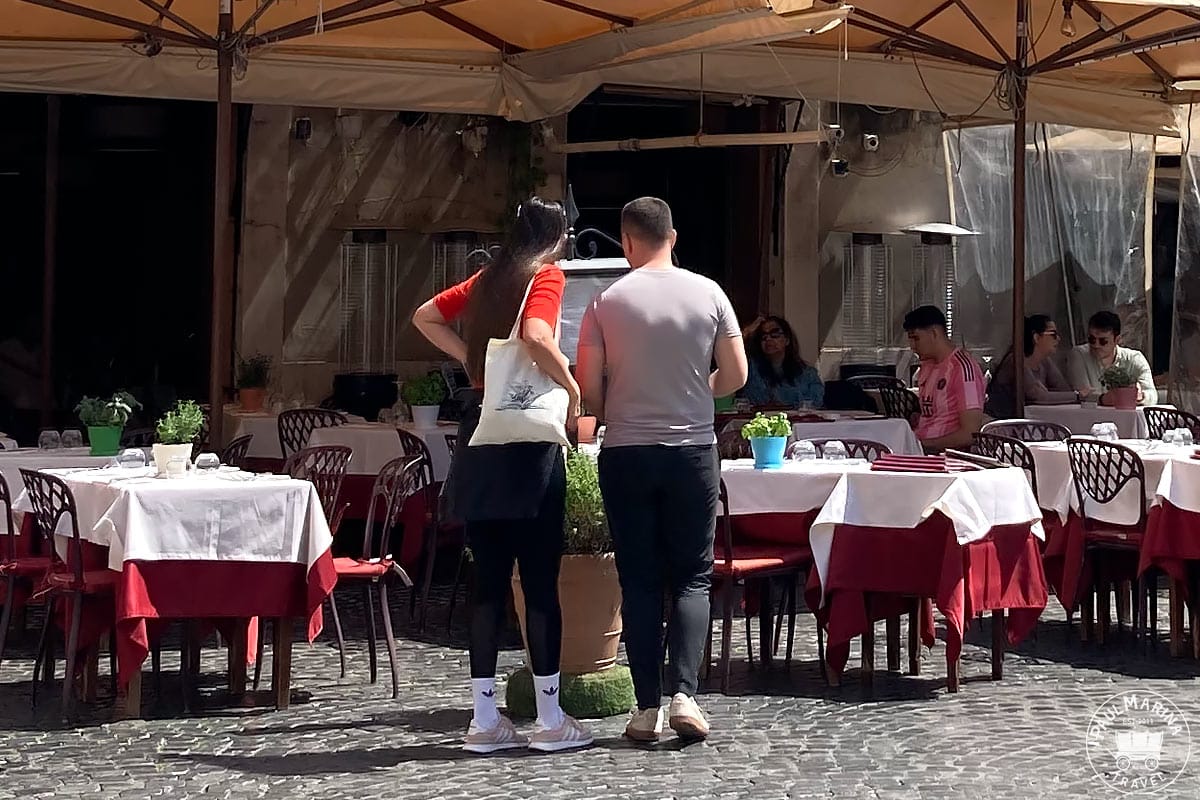
And while we are talking about restaurants and cafes, make sure to check the menu card and just verify with the waiter if they have any special service charges or coperto.
Coperto is a table charge that you pay per person when you sit down. The charge is usually about 2 euros, but technically coperto shouldn't be charged in Rome. Instead, they charge a service fee, which can be disguised as coperto (they will still write coperto on the bill, so FIY don't get freaked out).
So, if a place is overcharging you a much higher service charge than 2-3 euros per person, you are better off walking away. Also, a place that doesn't show prices on the menu card is a huge red flag.
Scams, Pickpockets, and Overpriced Services


Rome is an ancient city, and some of the most cunning tricksters and scammers target tourists any given day.
Common scams in Rome include some guys selling fake tickets, the ball and cup game gangs, rose-selling dudes, the gladiator-dressed dudes, the old lady beggars, the deaf petitioners, and the friendship bracelet dudes. See the list of all scams that you might encounter in Rome.
Pickpockets are common in popular, overcrowded areas such as the Trevi Fountain or the Spanish Steps and in the subway. Keep your belongings safe! Most pickpockets are underage teenage girls and boys.
Try comparing service offerings before settling for one that might be overpriced and not all that great.
Wearing the Wrong Outfit for Churches

Italy is one of the few countries in Europe where Roman Catholic churches impose a dressing etiquette. In Italy, they will bar you from entering a religious building if you are not properly dressed.
I have talked about this Italian church attire rule in the past. This mainly prohibits you from entering a church in shorts and shoulder-free tops, but it includes many other things.
See what's expected so that you can avoid being turned down at the door. You'd have to go back to your hotel room to change into appropriate attire if they don't sell something to put over you, and that's a true waste of time.
Ignoring Crowds When Planning

Know that Rome is one of the most visited cities in the world. That means it's always crowded, regardless of the season.
It's just that in the peak season it's even more chock-full. You will be standing shoulder to shoulder at the Trevi Fountain, you won't get the Spanish Steps all to yourself, and you will have to wait in a line to get into the Pantheon.
That's how it is, and none of the Instagram-perfect pictures and AI videos out there will tell the true tale and reveal the reality on the ground.
We visited on the Easter weekend when the pope passed away and Rome was extremely busy. Add to that that the US administration was visiting, and they blocked roads and access to landmarks.
Keep all these things in mind when you are planning an itinerary for Rome. Don't rush and try to intend to visit too many places at once. Instead, focus on one major landmark at a time. One in the morning and another in the afternoon nearby is usually the best way to do Rome.


Comments
No Comments