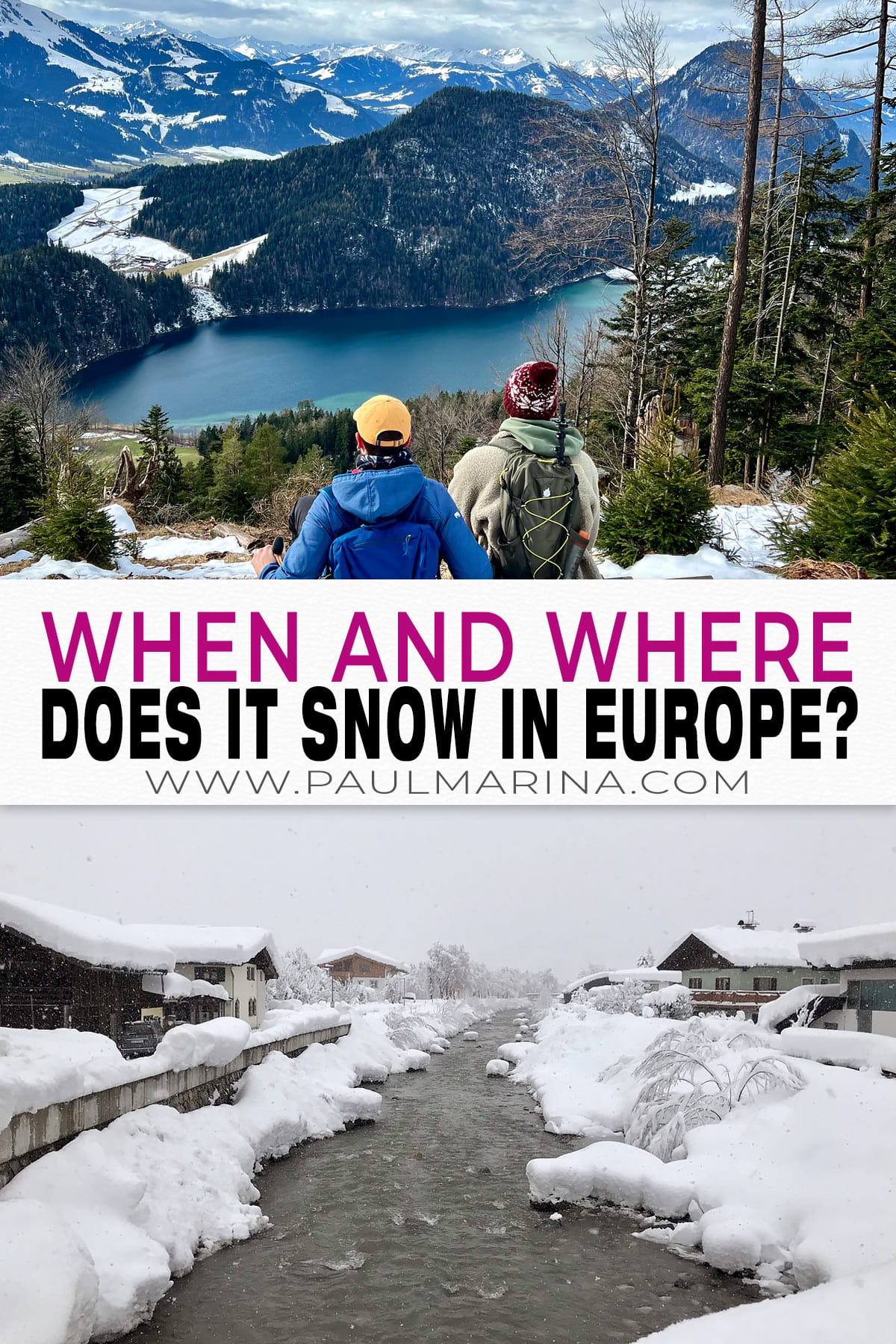
If you're dreaming of a snowy escape, timing and location matter more than you think.
This guide reveals when Europe turns white and where you can actually count on a winter wonderland.

When Does It Snow?
Snowfall is limited to a few months in the year during the winter months on the European continent.
That includes mostly December, January, and February. Occasionally, it's snowing in November or March too, but that's not all that usual; that's just a few lucky days.
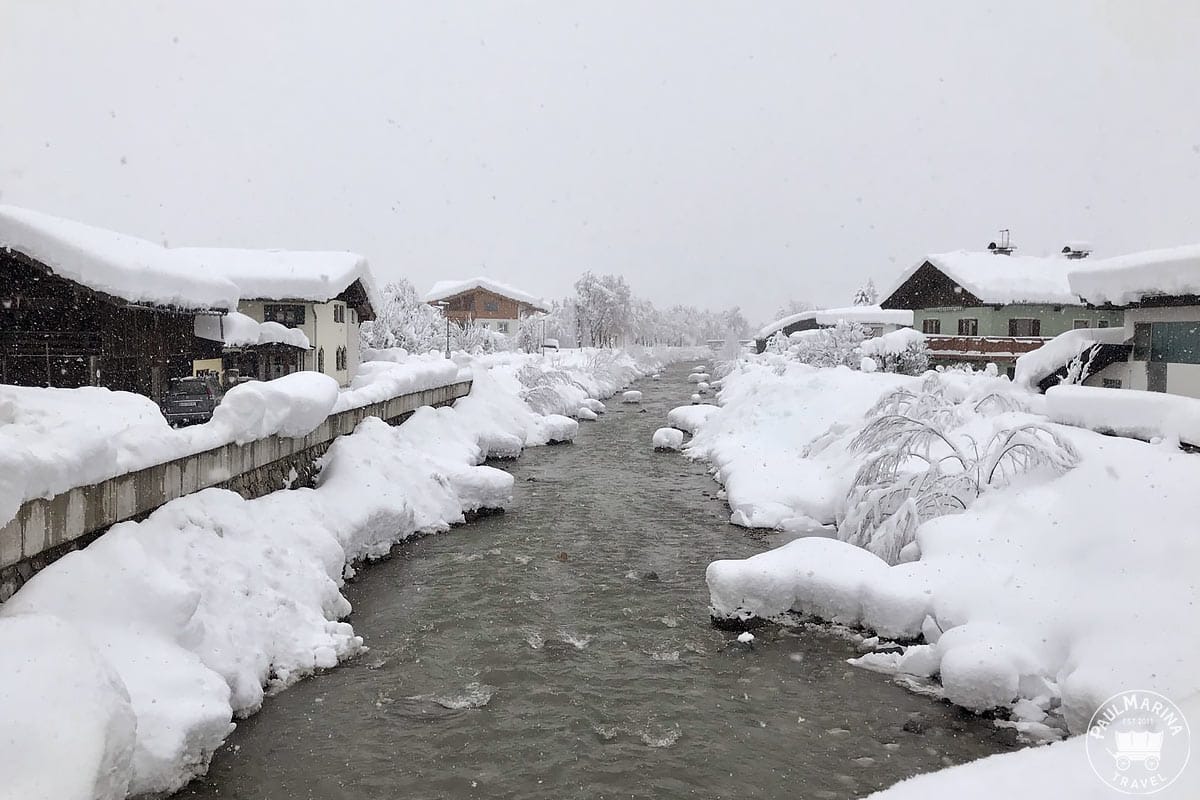
Over the years, thanks to warmer temperatures and irregular weather conditions, the snowfall season has been shortened to 2 major months in the year, and those are January and February.
Snow is scarce in 2025.

Nonetheless, that doesn't mean that snowfall is always a sure thing in January and February either.
For example, in central Europe, the 2024/2025 winter season came with sporadic snowfall in January. The last time we had a few meters of snow within days was in January 2019.
That said, certain country regions in Europe come with more snow than others.
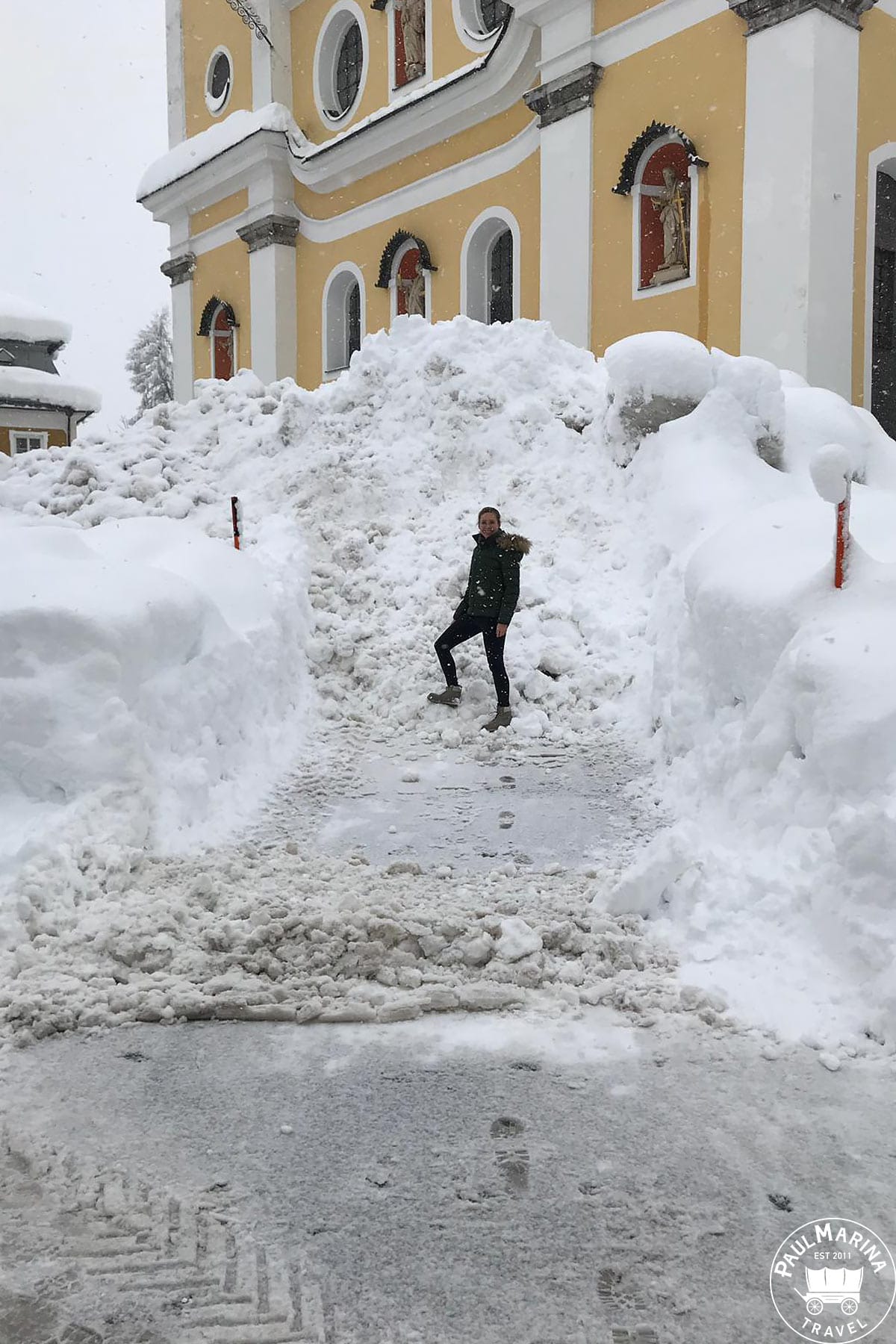
Where Does It Snow?
The best places to experience snowfall are located in the Nordic countries and central and eastern European mountain range regions.
The Nordic countries include Iceland, Norway, Sweden, Denmark, and Finland. The more north or country inwards you go, the more snow assurance. Coastlines tend to get less snow.
Snowfall in central Europe only takes place in the Alps. That includes parts of France, Switzerland, Austria, Liechtenstein, Germany, Slovenia, and Italy. The Carpathian mountain range extends this trend, and that includes parts of countries such as Slovakia, Czechia, Poland, and Romania.
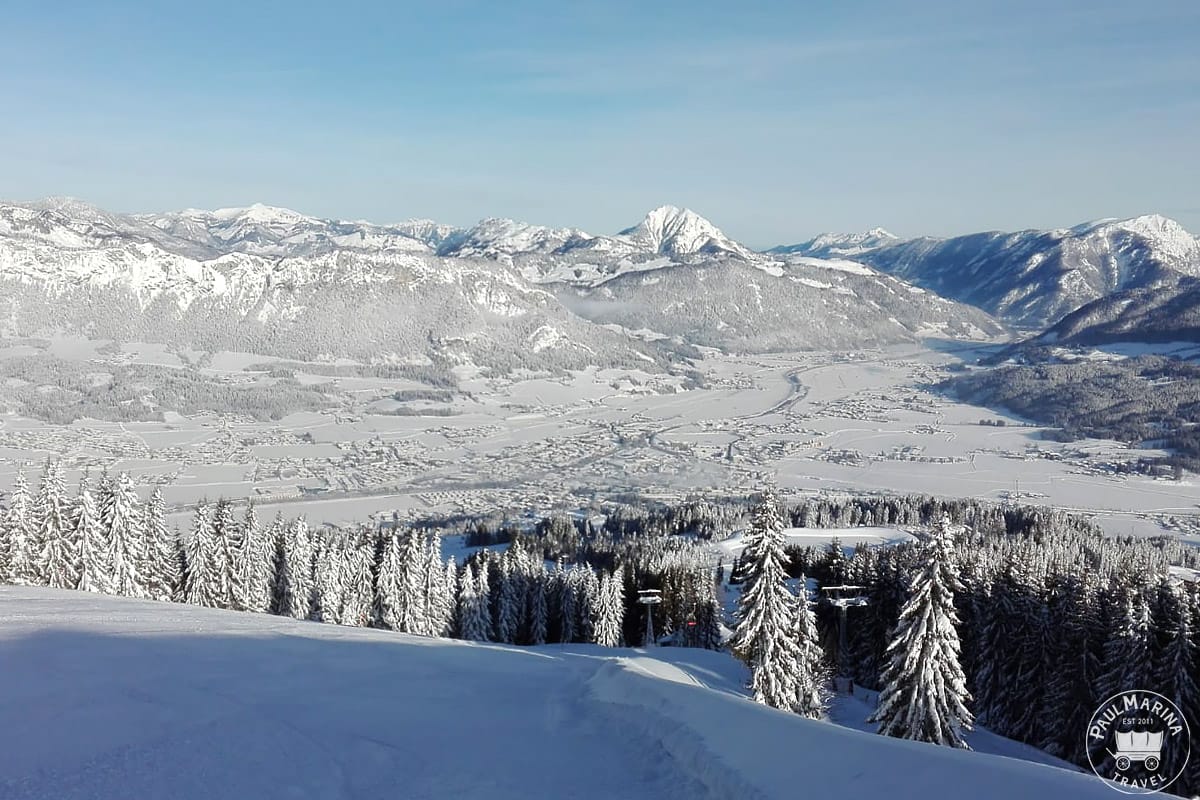
In the case of central and eastern Europe, you will have to head to the mountains, because mountainous regions don't cover each country fully. For example, Vienna (eastern Austria) isn't in the mountains, but snowfall is much more likely in Innsbruck in western Austria.
Famed fairytale places where you can experience magical snowfall moments in the Alps include Hallstatt in Austria, Neuschwanstein castle in Germany, and the Lauterbrunnen valley in Switzerland.

The Baltic states (Estonia, Lithuania, and Latvia), Eastern European countries (Ukraine, Belarus, and Russia), and the Balkans experience snowfall as well. Especially elevated mountain areas.
Countries that are known for hot weather conditions, such as Greece and Turkey, can count snow days in the years on one hand. But you may come across fresh snow in the mountains or on a lucky trip to Istanbul in December. This snow usually doesn't last and will melt within a few hours.

Things to Know
Temperatures below 32 degrees Fahrenheit (0 degrees Celsius) day and night with precipitation warnings are a good indication that snow might follow suit. If it gets warmer, snow turns to snow-rain or just rain.
The higher the altitude, the more chances for snowfall. Anything above 3000 feet (ca. 900 meters) will have more snow. Only a handful of cities in Europe are located above 3000 feet (ca. 900 meters), and that includes Davos in Switzerland, Briançon in France, and Andorra la Vella in the micronation of Andorra.

The closer to the polar circle, the longer the snowy winters (October to April/May is a possibility).
The ground needs to freeze for snow to stick, or else it will melt. That means it can snow at night in November a foot (30 centimeters), and a few hours later it's completely melted away, especially if it's sunny.
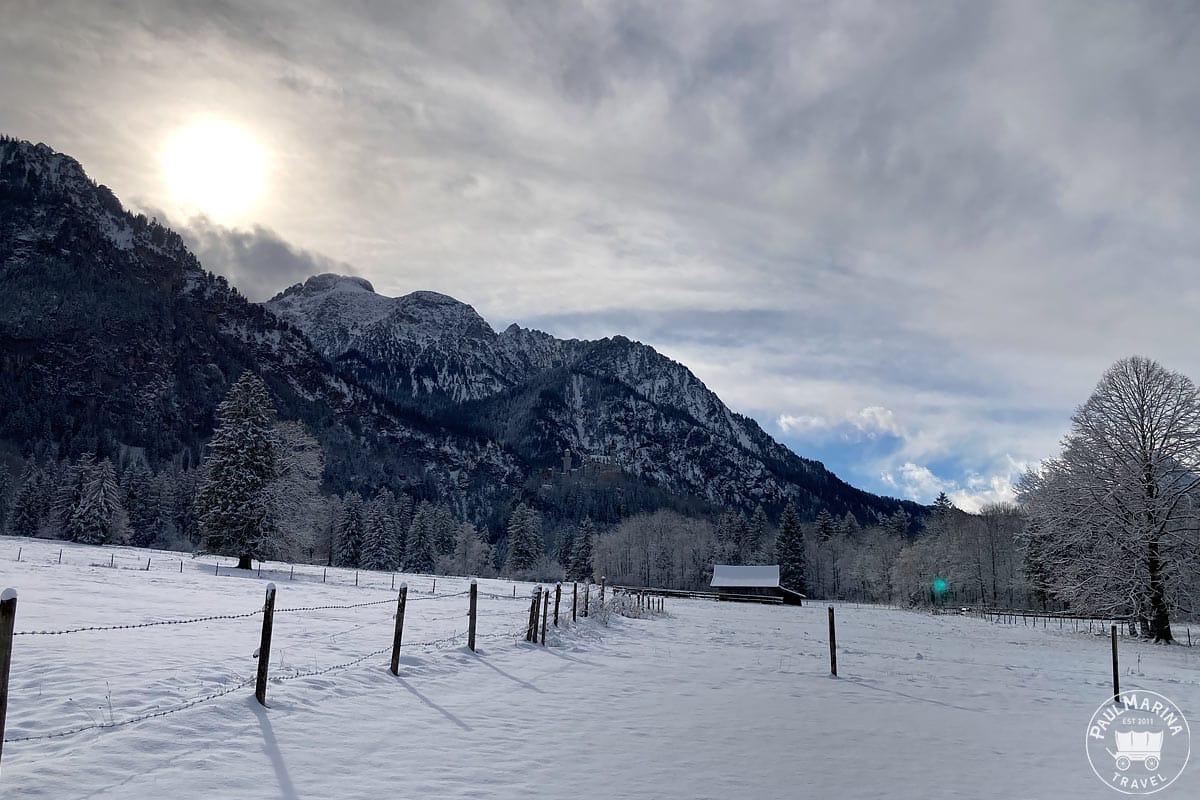
The earth freezes by mid-November in the valleys in central Europe, for example. Shady places freeze faster and better; sunny-side hills and valleys, not so much.
Ski resorts, such as the ski resorts in Austria, are equipped for lower snowfall conditions in winter, and they make sure that the ski slopes are covered and thoroughly prepared with artificial snow. Nonetheless, your best bet are the glacier areas!
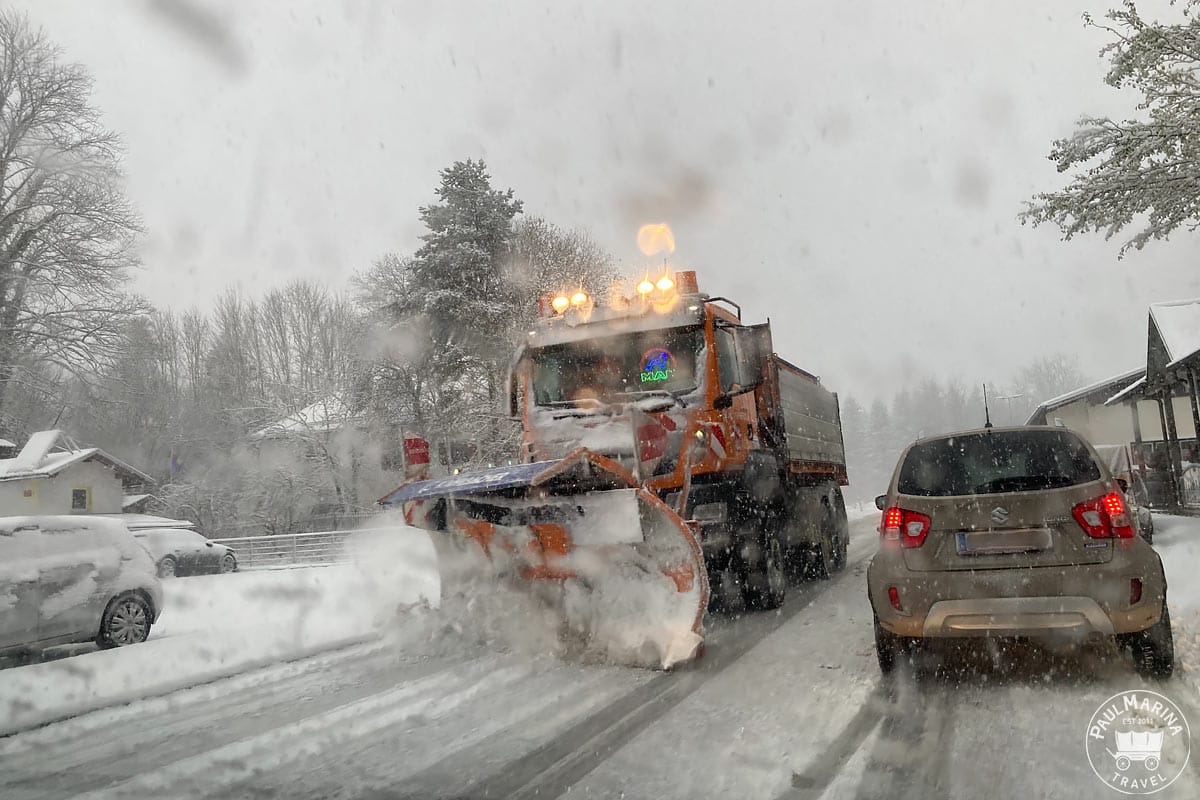
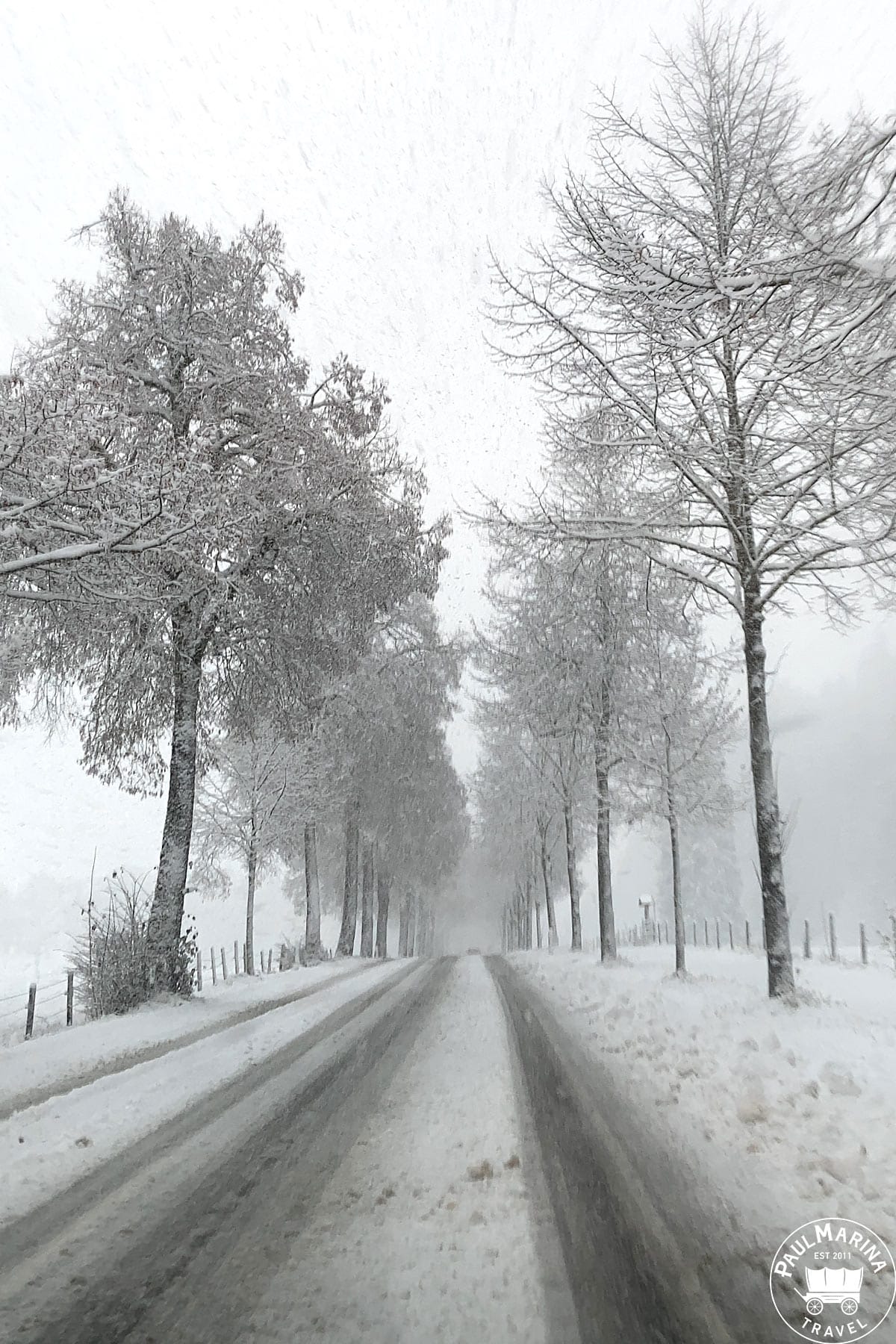
Rental cars need to be equipped with winter tires in the winter months in countries where snowfall is common. It's not just set by law, but it's also for your safety. (Keep that in mind if you are renting a car in winter).
Most snow countries are used to a lot of snowfall. That means road and rail infrastructure is not hampered. They pour salt and sprinkle gravel on the road so that cars don't skid.
Don't forget to pack your waterproof, warm winter boots!