

I have compiled a list of tips to help you plan a multi-city Europe tour on a particularly tight schedule.
The actionable tips will help you optimize your trip so that you can tweak your itinerary as per your needs.
TL;DR
A rushed multi-city Europe itinerary is for you if you plan a once-in-a-lifetime trip to Europe within a short time frame or if you prefer a fast-paced travel experience.
Know that such an itinerary will only give you a very limited experience of every city and that such a trip is very shallow in terms of cultural exchange. Besides, every country, in fact every single region and city, in Europe has something else to offer, and the continent simply cannot be generalized.
That said, I have met many people over the years that just couldn't afford a longer trip in terms of monetary budget and time spent. Others, in turn, just strive to visit all the major cities and landmarks on their checklist.
My tips below will help you plan such a trip across Europe. In a basic sense, it boils down to having a large enough travel fund for various situations and saving time wherever possible. Here is the breakdown:
Plan a Smart Itinerary
This might sound like common sense, but you can easily get overwhelmed looking at the map of Europe. You should work on a streamlined path or loop across Europe.
That means that you need to pick a strategy for your multi-city trip. Consider the following:
What's your entry and exit city? Which cities do you want to visit? How far are they located from each other? What's the best way to get there?

Pick cities in Europe that are well interconnected to other cities and destinations in Europe. Look out for public transport infrastructure, car rental options (although I don't recommend it for your travel style), and distance/connections availability to other cities in Europe.
Don't just assume that all cities are the same. Do your research!
As per our experience, Paris, London, Amsterdam, and Vienna are most suitable as an entry or exit city.
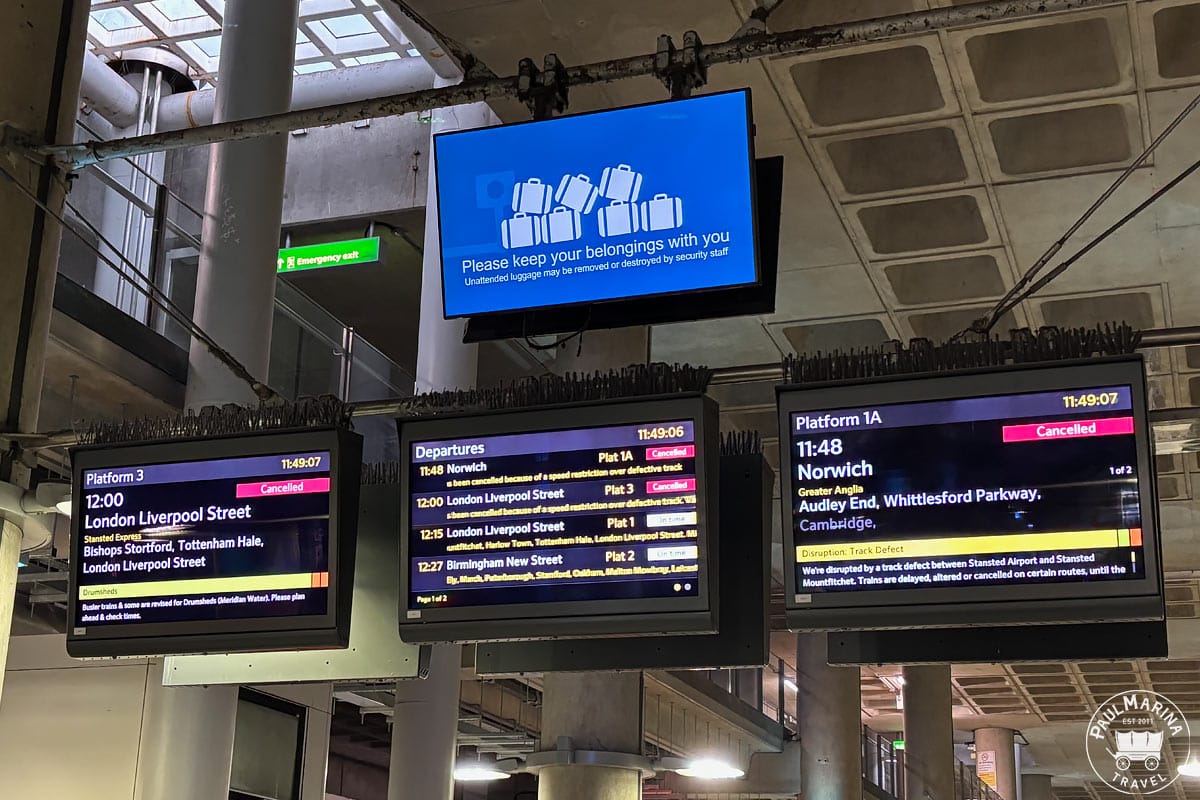
Paris tops the list because inbound and outbound flights from and to destinations all over the world are frequent, and tickets to Paris are cheaper than to other cities in Europe. Paris is also well connected to multiple European destinations with the TGV, the high-speed train.
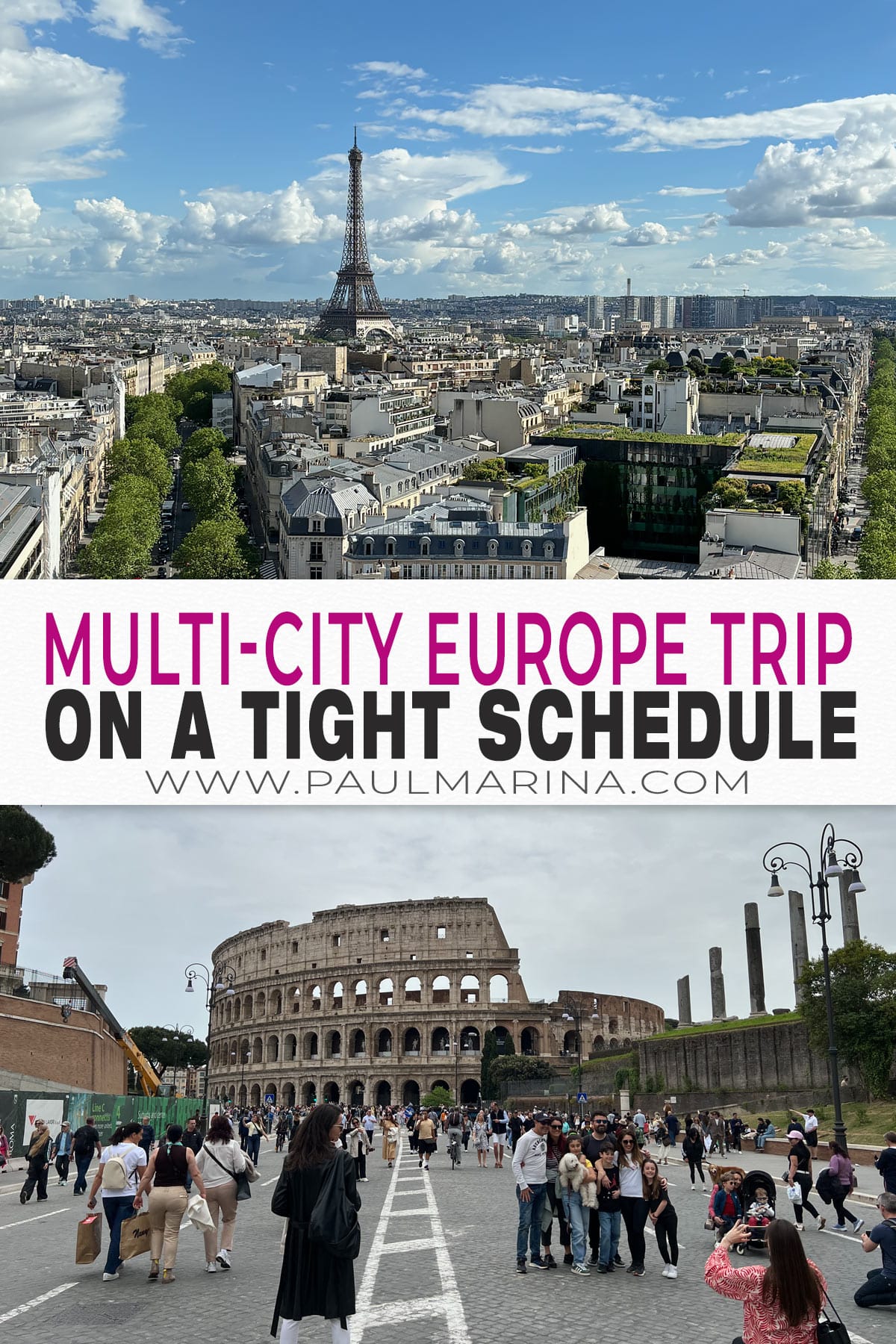
If you want to visit London, Paris, Rome, Amsterdam, Prague, or Athens, pick the fastest travel time between the cities. Start out with London, and then do Paris, Amsterdam, Prague, Rome, and Athens at last.
Keep in mind to check transport availabilities. For example, Amsterdam might offer more flights to Rome than Prague.
Pick Fast Transport
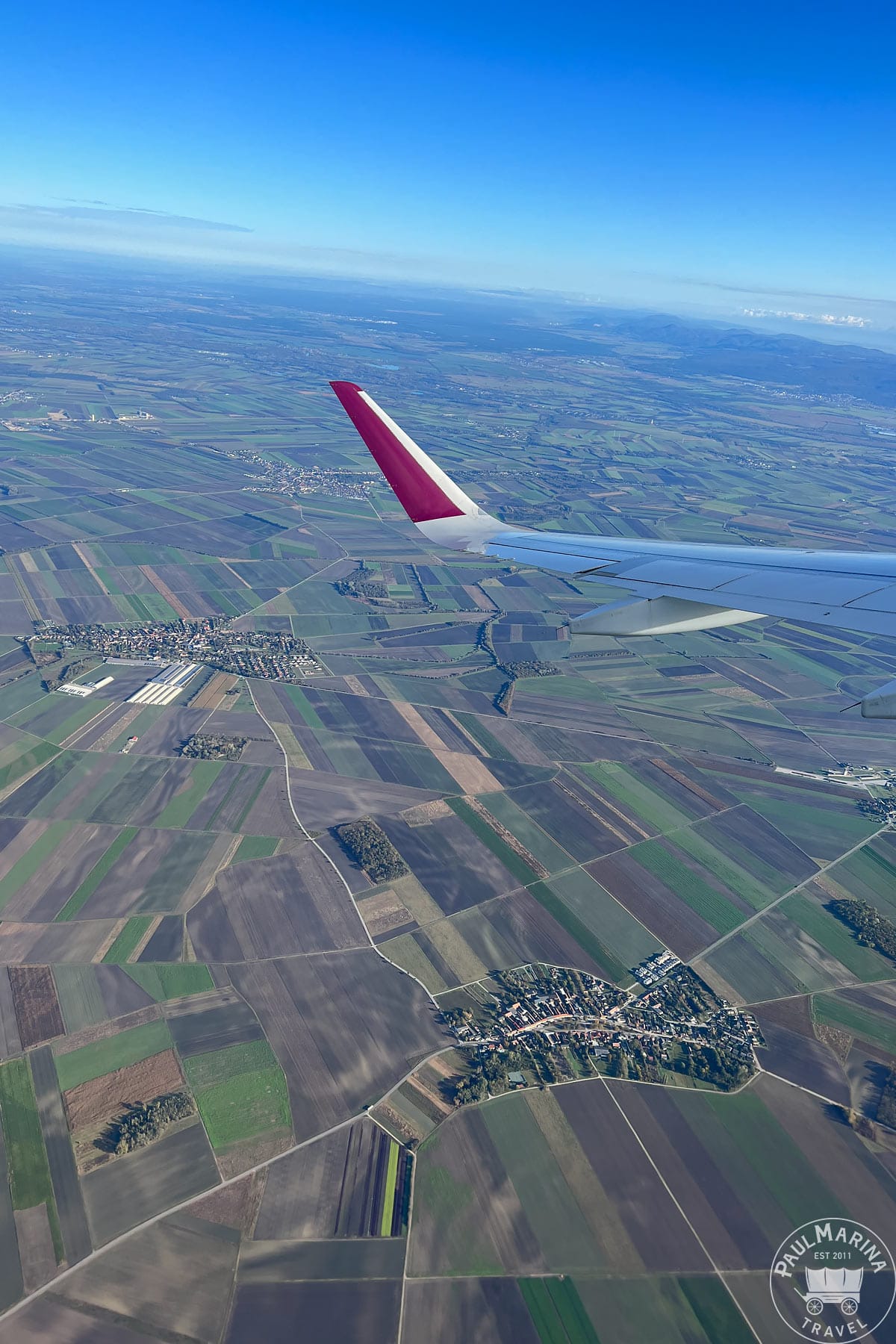
Don't waste time with slow transport options. Your time in Europe is precious, and you want to make the most of it.
Avoid booking more economical bus tickets from the airport to the city. Book a taxi instead to save travel time.
Do not walk in a city from one end to another. This will only exhaust you. Incidentally, avoid taxi rides through the city because of bad, time-consuming traffic conditions. Instead, hop on a subway or tram to get from A to B. Learn how to use public transport in Europe.


Don't hire a car. Driving is exhausting, and depending on the region, a hassle with trucks, toll booths, bad roads (Belgian roads are toast), no-drive zones, special driving laws, and bad drivers (pointing fingers at the Italians). You don't have the time for a road trip if you need to hop between cities fast.
Avoid regional train connections that stop frequently. Get on a high-speed train instead or a night train line. That said, your night train ticket should be a comfortable sleeper reservation, or else it will drain you.

The most efficient way to travel across Europe is via plane. That's the fastest approach to move between cities.
For example, on day 2, take a flight from London to Paris. On day 3, from Paris to Amsterdam and so on.
Visit Selected Landmarks Only

Make peace with the fact that your time will be very limited in every city. That means you'll just have enough time to visit one of the main landmarks in every destination.
Consider that some destinations are busy tourist hotspots. Specific landmarks can slow down your travel plans if you don't plan accordingly. Therefore, I recommend making arrangements for admission tickets way in advance.
For example, if you are visiting Amsterdam and your top priority is a visit to the Anne Frank House. They only sell limited-entry tickets online that are made available on specific days for a short period of time.

You need to add buffer to your timetable. You shouldn't feel out of breath or fatigued.
Museums, other paid attractions, and crowded locations with reservations and time slots should be avoided as they can make your trip less flexible and overwhelming. Instead, focus on visiting easily accessible, centrally located places.

If you have just one day in Paris, skip visiting the Louvre Museum and the Palace of Versailles because you won't be able to make it (except if these landmarks are your sole purpose for visiting Paris).
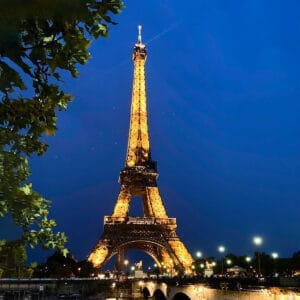
Instead, your one-day Paris itinerary could look like this: morning arrival and check-in in Paris. Lunch in the Latin Quarter near the cathedral of Notre Dame or a picnic in the Luxembourg Gardens. Afternoon, explore Montmartre, the painter's corner. Freshen up for the evening and head for sunset at the Eiffel Tower to see the sparkles and go for dinner or book a Seine cruise dinner.
Book Early Check-In or Late Check-Out
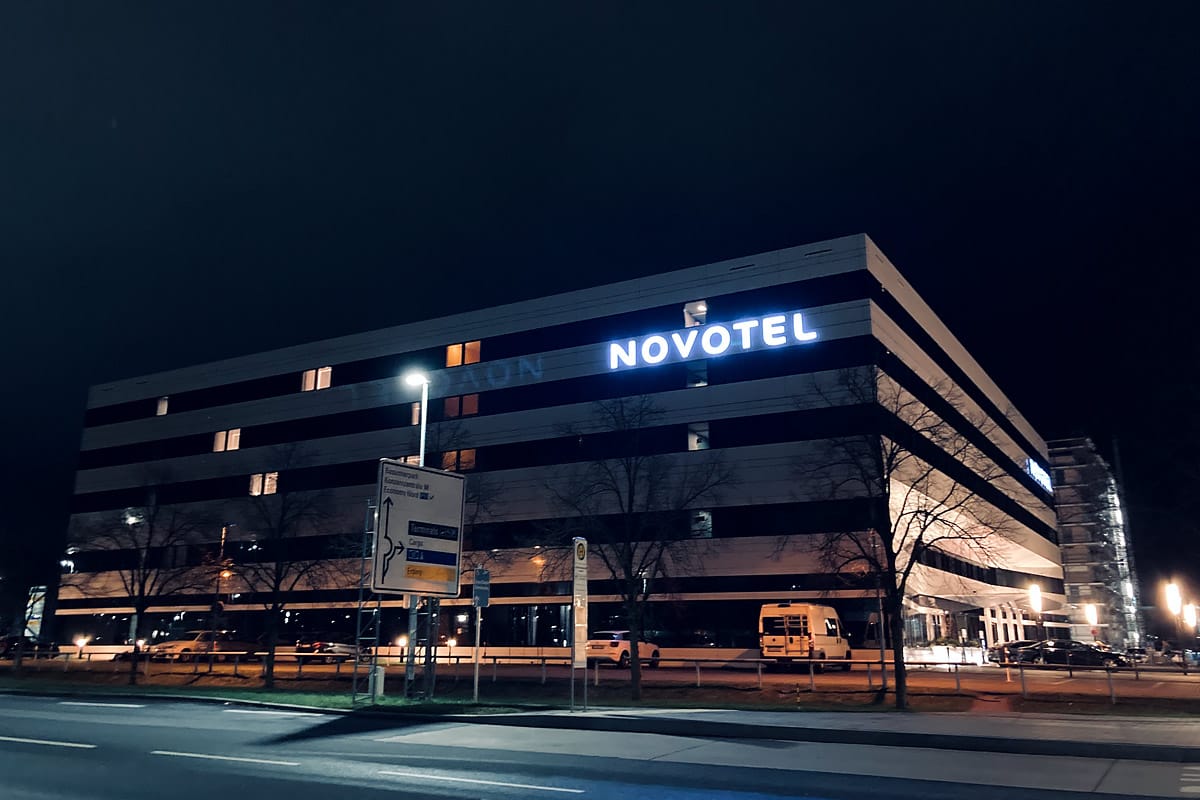
Consider booking hotel rooms that offer early check-in arrangements if you are arriving in the morning. Incidentally, if you are traveling later in the day, you might want to ask for a late checkout option as well.
Most hotel check-in hours take place at 2 or 4 pm at the earliest, and checkouts take place between 10 am and 11 am. That's not very convenient when you are trying to make the most of your fast-paced multi-country Europe trip.


Early check-in and late check-out give you the freedom to freshen up and to keep your stuff in the room so that you get to tackle the city in style and with extra vigor.
Know that early check-ins and late check-outs are charged extra and that they're not commonly offered. Don't just show up and expect an earlier check-in or a late check-out; you will have to reserve with the establishment before your arrival.
You'll have better chances to get a great room with flexible check-in and check-out options by booking rooms directly.
Travel Light
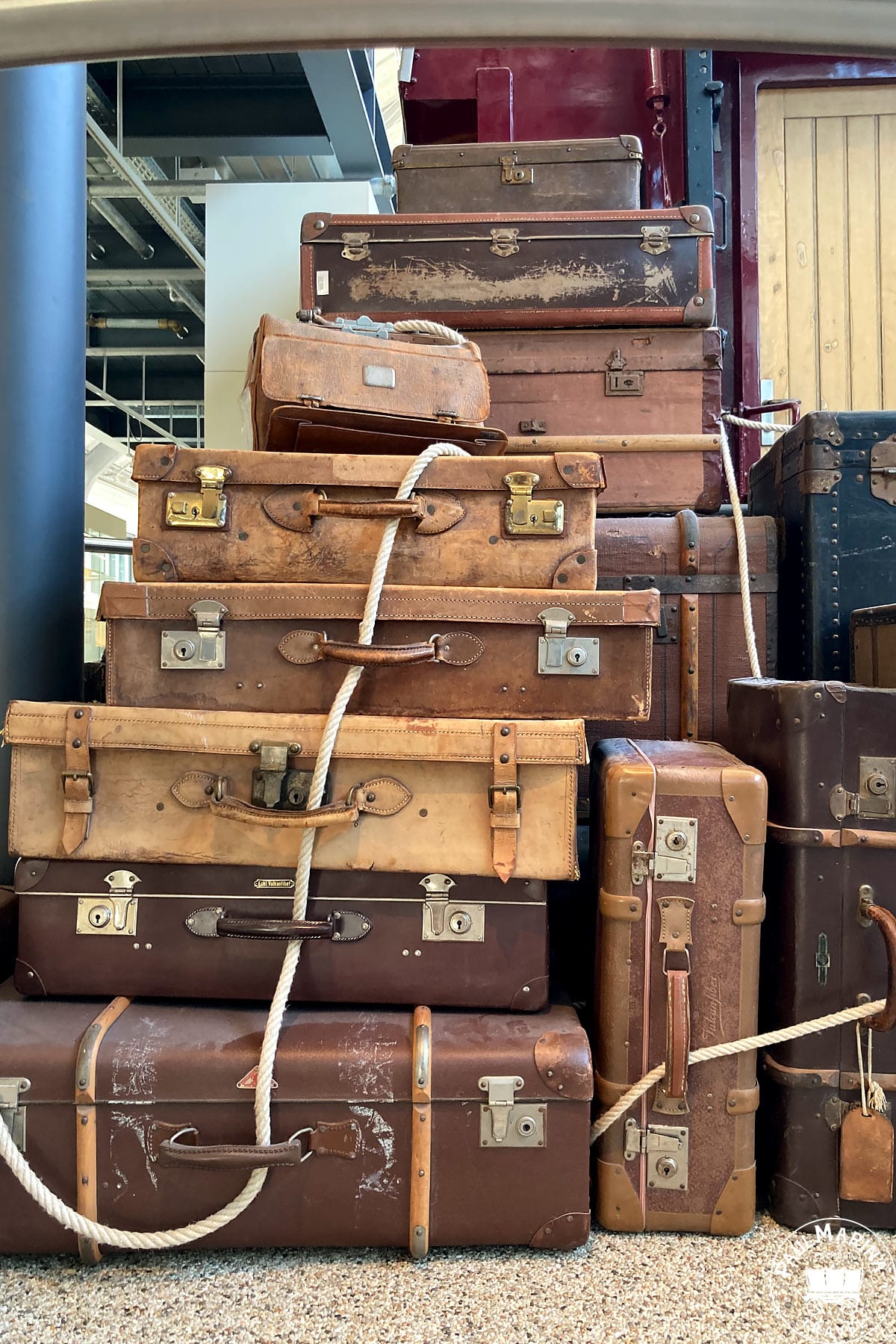
This one seems like a no-brainer, but it's easy to get carried away when packing for a multi-day international trip.
Stick to a minimal packing approach by taking only the essentials on your trip. The less you have to carry around, the easier it is to move about between cities and countries.
A carry-on-only trip has the added benefit that you don't have to wait for your checked luggage at the baggage claim. That, in turn, saves you precious time on your trip.
Check Public Holidays, Closures, and Strikes
Europe consists of several smaller countries, and each observes a different set of public holidays. Check before you head to Europe the public holidays in each city and country to avoid closures and disruptions to your travel plans.
The same goes for maintenance closures and country-wide strikes.
Especially France is notoriously frequently disrupted by scheduled strikes. The good thing is that strikes are always announced in advance, so you can actually plan your trip in such a manner that you are not hindered or faced with unnecessary, time-wasting situations.
Eat on the Go & Casual Food Places
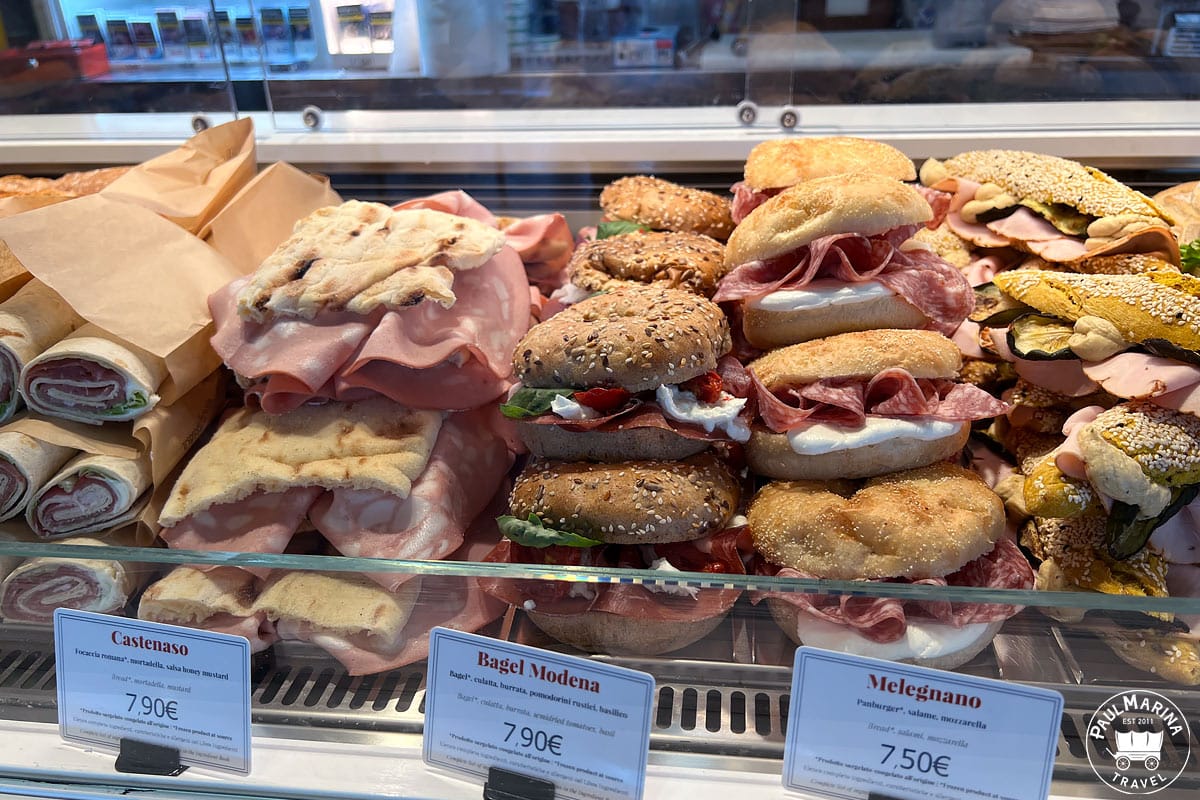
Save time in every city by eating on the go or by picking a casual eatery. Avoid fine dining, all too busy places where you have to queue, and places far off.
You'll find all sorts of casual eateries in every major city in Europe. We try to avoid the ones suggested by social media because they tend to be heavily favored by the masses.


Look out for traditional places in every country, such as Osteria's in Italy or Bistro's in France.
All European countries have a rich street food culture, so I highly recommend heading to a local food market or exploring the best local food stalls. Here you'll be getting to taste real food while saving money and time simultaneously.
Read More: The Italian Osteria VS Trattoria VS Ristorante and the French Bistro VS Brasserie VS Cafe VS Restaurant dining experiences.
Adapt to the Weather & Travel Season

Weather conditions and busy tourist seasons can disrupt your multi-city travel plans.
Planning a multi-country Europe trip is much easier in the summer months, in my opinion, than during winter.
Winter comes with its own challenges. You'll be limiting your time outdoors, you'll have to pack thicker, bulkier clothes, and some places are closed off during the winter months.
Additionally, keep busy travel seasons in mind. Peak season means prices are higher and availabilities are lower, but off season can be a bad choice when tourist areas shut down. (See shoulder season instead).
Comments
No Comments