

The shoulder season has been glorified lately in Europe, and that for a good reason. Yet, I think you should be able to compare the pros and cons.
This guide helps you understand if you should be planning a trip to Europe during this transitional seasonal period.

Jump to:
When is the shoulder season in Europe?
The shoulder season in Europe can be broadly defined as the period between the off-season and peak season.
Because Europe is a continent and not a single country, it is impossible to describe the shoulder season for the whole continent.
Every region may have a different definition of a shoulder season. It's technically a transit tourist period that is neither too busy nor too abandoned.
Generally, most places still count spring and autumn as the shoulder season, but that has been changing in certain popular regions in Europe, such as in Alsace (France) and South Tyrol (Italy).
Pros
A true shoulder season comes with a bunch of perks that are difficult to ignore. Especially if you'd like to make the most of your Euro trip, minus the crowds.
Fewer Crowds

You can't ignore the fact that Europe has some of the most visited destinations in the world. If you have ever toured during the peak season, you'll know what this means.
Waiting in queues for hours, having to pre-book everything in advance, and dealing with other travelers that lack civic sense.
A true shoulder season promises the exact opposite, without having to deal with the dreaded abandoned attraction feeling (which isn't that great either).
More Affordable

The budget factor is another huge plus point! You will be glad to know that accommodations and transport are far less expensive for popular places and regions during the shoulder season.
If a hotel advertised a room for $190 a night during the peak season, it could be selling rooms at $120 or less during the shoulder season.
You'll be saving a lot if you switch your plans from the busy summer peak season to the shoulder season for a city break such as Budapest or Rome.
Booking Flexibility

Fun last-minute trips are a reality during the mid-season. You really don't need to plan ahead too much, and you can spontaneously travel to a destination, also if it's a multi-day booking.
Besides, it is much more likely that hotels will give you the better rooms, and you'll easily get a seat on a train without having to reserve (train tickets and reservation of seats are two different things in Europe).
More Kid-Free Zones

Kids in Europe get their summer break in the summer months, and that's by far the most important peak season in most regions across Europe.
The result is that families plan their trips around this period, and you'll encounter more kids during the high season (Reasons to not travel to Europe in the summer months).
A shoulder season is literally defined by the fact that school-going kids can't get off during that period.
And therefore, you are left to enjoy those dazzling landmarks without poorly behaved Gen Alpha iPad kids.
Pretty and Moody Landscapes

Shoulder season often includes spring and autumn, and both seasons are known for their picturesque landscape views.
Spring bloom and lush green fields can be experienced in spring, more precisely in April and May. Tree foliage changes into these stunning yellow-red shades in October.
The sun is also not as high anymore, and if you get a cloudy sky, you will discover that your images will pop. That's because highlights from the sun are naturally filtered with the clouds.
Cons
But of course, depending on your needs and wants, you will encounter some cons that are hard to ignore, and therefore you might not want to consider the shoulder season after all.
Weather

The unpredictable weather is probably the single most important reason why travelers might want to avoid visiting during the shoulder season.
The chances are higher for cold winds coupled with rains, and this can make planning more unpredictable.
That means you will need to pack more, adding clothing layering to your daily attire plan. Mornings can be freezing cold, and by lunchtime the opposite is true. Layering with jackets is your solution!
Keep in mind that most beaches will be too cold in spring. Head to Greece, Cyprus, the southern tip of Italy, Malta, southern Spain, and Portugal for better sunbathing and swimming chances.
Shorter Daylight Hours

Peak season in the summer months comes with longer daylight hours, and that's great because you have more time to plan your sightseeing tours.
The days are much shorter in spring and autumn, but especially in autumn. This can be appealing if you are into spa wellness travel, but not if you are hiking the mountains on a golden October day.
Places are Closed

Unfortunately, the transition season also comes with some drawbacks. Places, such as hotels, restaurants, and attractions, can be open for business, or not.
Depending on the region and establishment, you will come across instances where you'll have to hunt down a restaurant because many have limited opening hours.
Or, you'll have a limited pool of hotels to pick from, and smaller attractions only open their doors on weekends or at specific hours of the day, and hiking trails are not thoroughly prepared yet.
This problem is more prevalent in the countryside and in places that are purely seasonal tourist hot spots (e.g., the Dolomites). You won't encounter these challenges in the cities.
The Shoulder Season Is Now Peak Season

Most visitors to Europe try to avoid visiting places during the peak season because of the large crowds. If everybody does that, you have the opposite effect happening: shoulder seasons turning into peak seasons.
In very particular touristy places, because the pros outweigh the cons, you will potentially encounter this issue. These places are so popular that even the shoulder season wasn't helping them!
Warmer autumn and spring temperatures, child-free couples, and other things just accelerated the trend.
I'll give you some examples of when we thought that the shoulder season was a good idea:
- Lake Como in mid-October — People were queuing forever to take a Lake Como ferry.
- Neuschwanstein Castle in June — June can be a shoulder season in some places, but the fairytale castle is always busy.
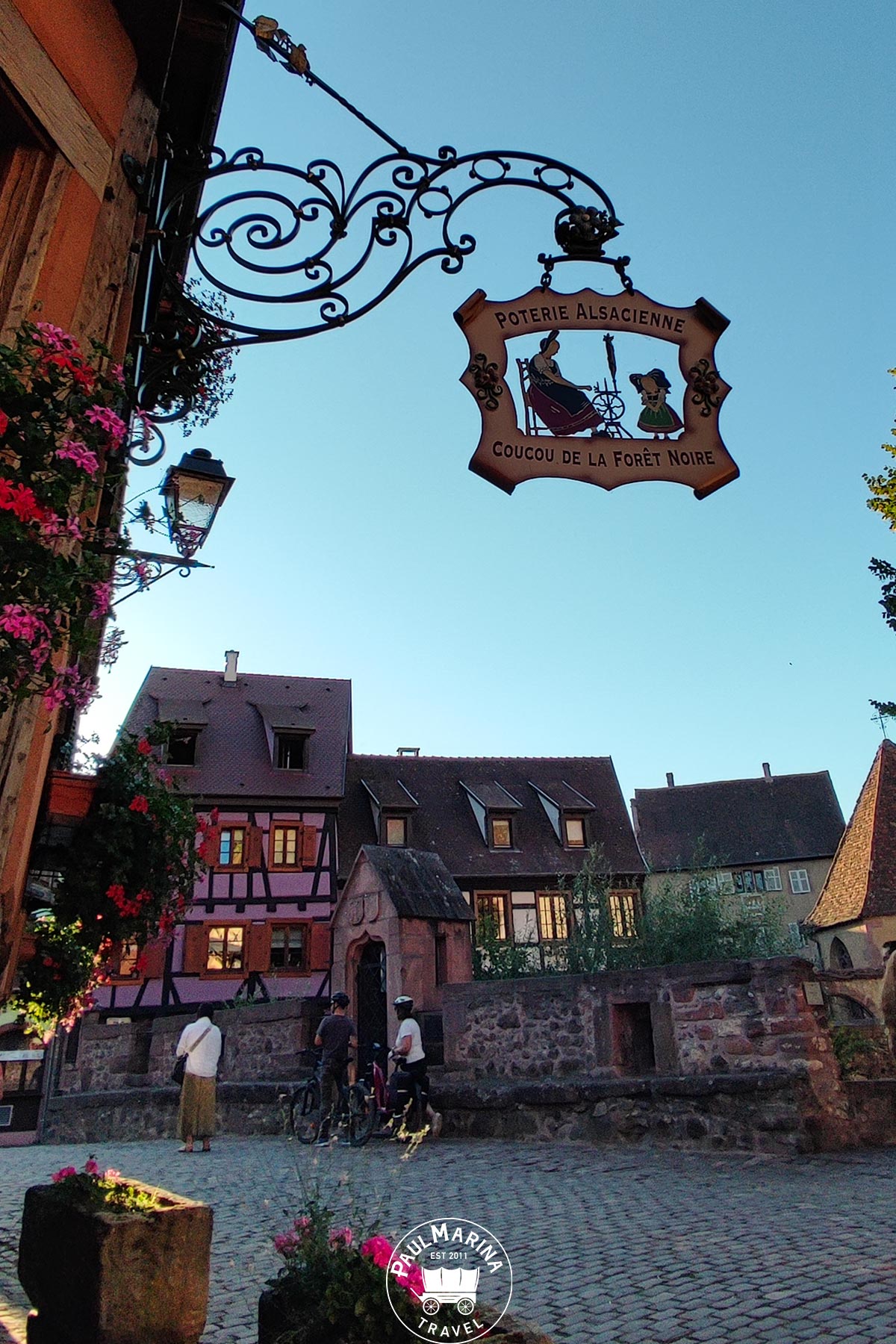
- September in the wine regions of the Moselle region (Germany), Alsace (France), and South Tyrol (Italy). — Wine harvest season counts as peak season in 2025.
- Selected Croatian beaches in later September — It's still hot enough to go for a swim, and all European pensioners have the same idea.
It might be too Quiet

If you are a city person who's used to a busy lifestyle and people, you probably will feel overwhelmed by the peace and noise-free environment surrounding you.
In that case, you will want to reconsider visiting any of the European regions during the shoulder season.
Tips

Beware that specific holidays, primarily Easter, take place during the shoulder season, and families get 1-2 weeks off during that time. Easter weeks in Europe are peak season!
Check local public holiday calendars! Every country in Europe has a holiday that is unique to the country. E.g., Italy's Liberation Day on the 25th of April.
Beach resorts are semi-operational in the shoulder season. That means you might have to pay for a taxi because the shuttle bus isn't operational yet or the hotel is only half accessible.
Certain smaller accommodations across Europe (not just cold places!) have a horrible habit of not heating the booked room properly. This problem gets aggravated if it's a self-check-in apartment. Look up reviews for the shoulder season and contact the host ASAP!
Consider booking a spa wellness trip during the transit season. The weather is perfect for that, and you'll have all the pools and saunas to yourself.
Shoulder Season Destination Ideas

Here are some destination ideas for your shoulder-season bucket list:
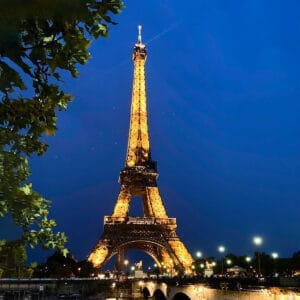
- Paris in Spring in March or April.
- Tuscany, Italy, in April.
- Austrian, Italian, and Swiss Alps in May or October.
- Munich after Oktoberfest (Oktoberfest mostly takes place in September).
- Amsterdam in September or October (best time to purchase tulip roots, btw!).
- Best of Slovenia in May, September, or October.
- Bran Castle in Transylvania, Romania, in October (with Halloween vibes).
- Milan, in Italy, in March, April, or May.
- Lofoten Island, Norway, in June or September.
- Prague, in Czechia, in April or May.


Comments
No Comments