

Seeing Europe without overspending is more doable than most people think. This guide shows how to keep costs down while still experiencing the highlights that make the trip worth it.
Jump to:
Smart Flight Bookings to Europe
Flight costs are bound to get pricier in the coming months due to the current world situation. A valid reason for you to score a low-cost flight, which won't impact your budget from the get-go.
The sooner you book a flight, the better the deal. We always book our flights at least 3 months in advance, and if it's a peak season period, no less than 5 months before the departure date.
Use either Google Flights and/ or Skyscanner to discover flights, and try the following:
- Explore various departure and destination airports. Not every airport will give you the same price and airlines. Deals can vary due to airport charges and airline coverage. Skyscanner has the option to search nearby airports. E.g. Airports such as Paris and London are cheaper than Munich and Zürich.
- Play around with dates and days in the week. Occasionally Tuesdays and Thursdays are significantly less expensive. Keep seasonality and holidays in mind.

Booking flights with budget airlines can be a good idea, but only if you are traveling light without checked luggage. Or else you are better off booking a regular airline ticket.
Non-refundable tickets without a cancellation option always cost less, but I don't recommend them because you never know. If you have to cancel because of an emergency, you'll lose all your money. Yet, if you are ready to gamble, you'll definitely save some bucks with a non-refundable ticket. (Tip: pick an airline that actually refunds and not one that hands out vouchers.)
Roundtrip flights might be cheaper but are also the safer option. One-way, last-minute flights always cost more. Besides, your international accident insurance might not cover your claim if you don't have a valid return ticket home.
Cheapest Mode of Transport

Getting around in Europe boils down on the choice of destinations and places that you'd like to see. You will need to compare rates and options to get to the best possible price scenario.
In cities, always use the public transport to get around. These are safe and get you from A to B reliably. Read my tips on how to navigate the public transport system in Europe.
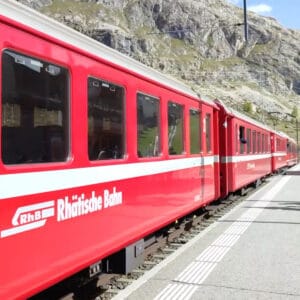
If you are traveling between cities, hop on a train. Use the country's official rail network online booking system, just like the locals. Pay to reserve a seat separately if it's a long-range train ride, or else you'll find yourself standing around if it's a busy train (e.g., the Friday afternoon Vienna to Salzburg train or the Paris to Amiens).
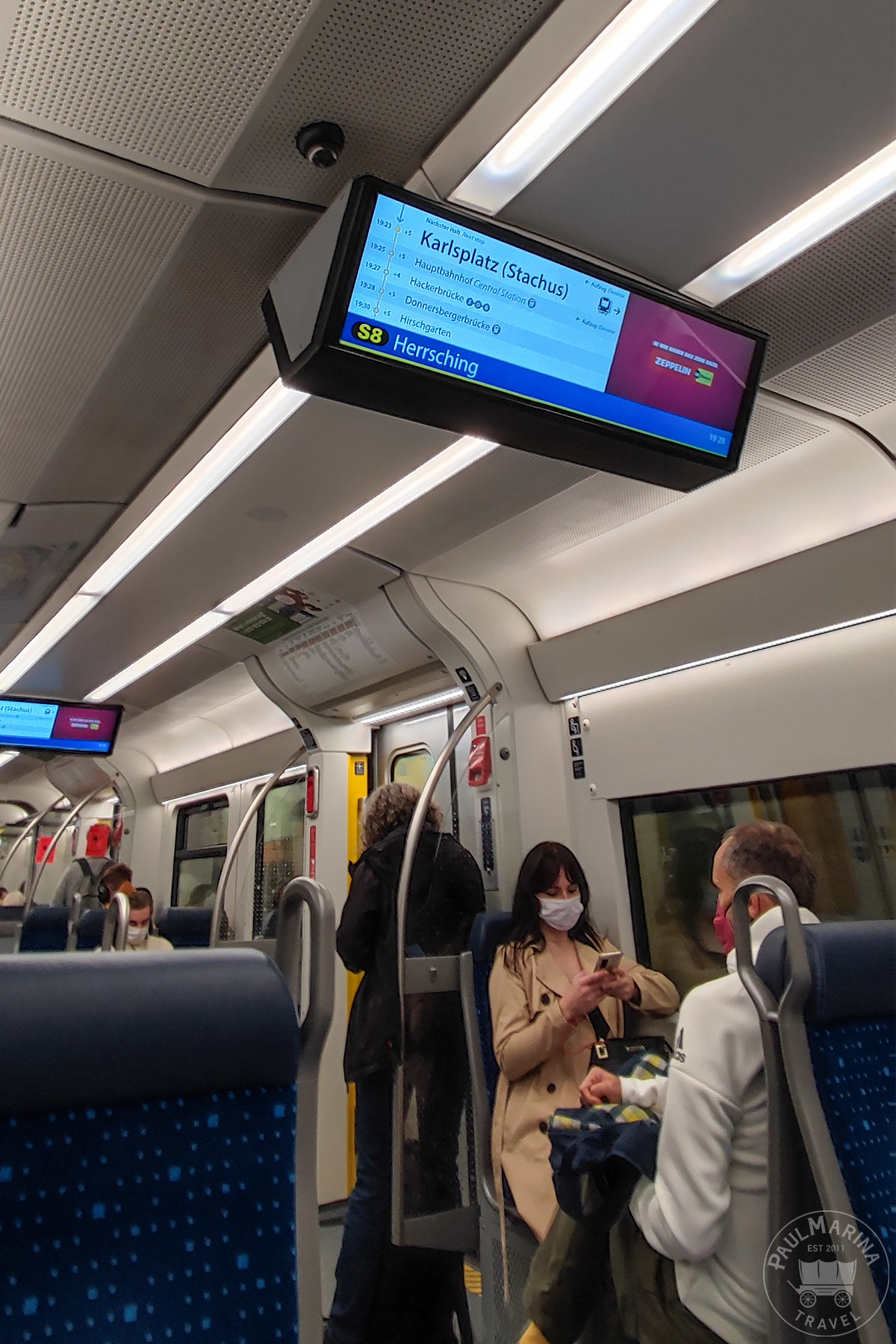

Night trains across Europe can be super cheap, but only if you book a regular seat (I don't recommend that if you value comfort) and not a sleeping coach. Sleeping coach tickets can cost as much as a flight ticket, and the trains take forever to get from A to B.
Another option is to get on a FlixBus. These are extremely affordable, well connected, and safe, and they cover most cities in central and western Europe.
If your destinations are far from each other, e.g., London, Rome, and Athens, then you are better off flying between these places.

If you'd like to explore the countryside, hire a rental to get around. Keep rental rates, mileage, toll roads, parking, and restricted city zones in mind. Traveling by car can be cheaper in rural areas because public transport is limited, but it's also more complicated because not every country follows the same road rules, etc.
Specific regions across Europe are known to be dangerous with a car. Follow these parking safety tips.
Seasonal Rule

Peak season is the time of the year when everything is pricier. That's mostly July and August, but depending on the region, this can mean Easter, Christmas, and New Year.
Generally speaking, you are always better off booking tickets outside the peak season in Europe if you are thinking of expenditure. Families with kids that are at school don't have the luxury to do that except if your country's school holiday season doesn't fall on July and August.

That said, certain touristy areas ramp up connectivity and entertainment options during the peak season to meet the demand. For example, alpine towns offer free bus travel with a stay in the region, or ferries and cable cars run longer or more frequently.
The shoulder season is often the perfect time to get the best deals. That's mostly February or May in most places. They are still operational in the shoulder season, and connections are up and running.
Yet, if you are super flexible, you'll find a lot of great deals in the off-season. Off-season is especially beneficial if you are traveling to major cities and famous landmarks, but I don't recommend it for semi-rural or rural areas because off-season means places shut down completely for a month or two, which will leave you scrambling for options, and you'll just end up spending more to get around.
Accommodations Know-How

Airbnbs tend to be pricier in Europe. The cheapest rentals are not listed on Airbnb or Booking.com. These are usually mom-and-pop-type guesthouses and inns.
You can find these on Google Maps or, most often, by just randomly walking or driving around in an area. They advertise rooms with a small board outside the house, and typically they have last-minute rooms available (except in winter in ski resorts).

Hostels offer budget accommodations that are basically a bed in a dorm with a shared bathroom option. Super budget hotels or rental stays can appear with a shared bathroom option as well (always double-check the description).
Hotel chains such as Ibis Budget offer cheap rooms in metro areas. BTW Ibis Budget is not the same as a regular Ibis hotels.
Tourist areas typically have cheaper weekday rooms and much more expensive weekend lodgings. Keep that in mind when preparing your Europe itinerary.
Eating Out
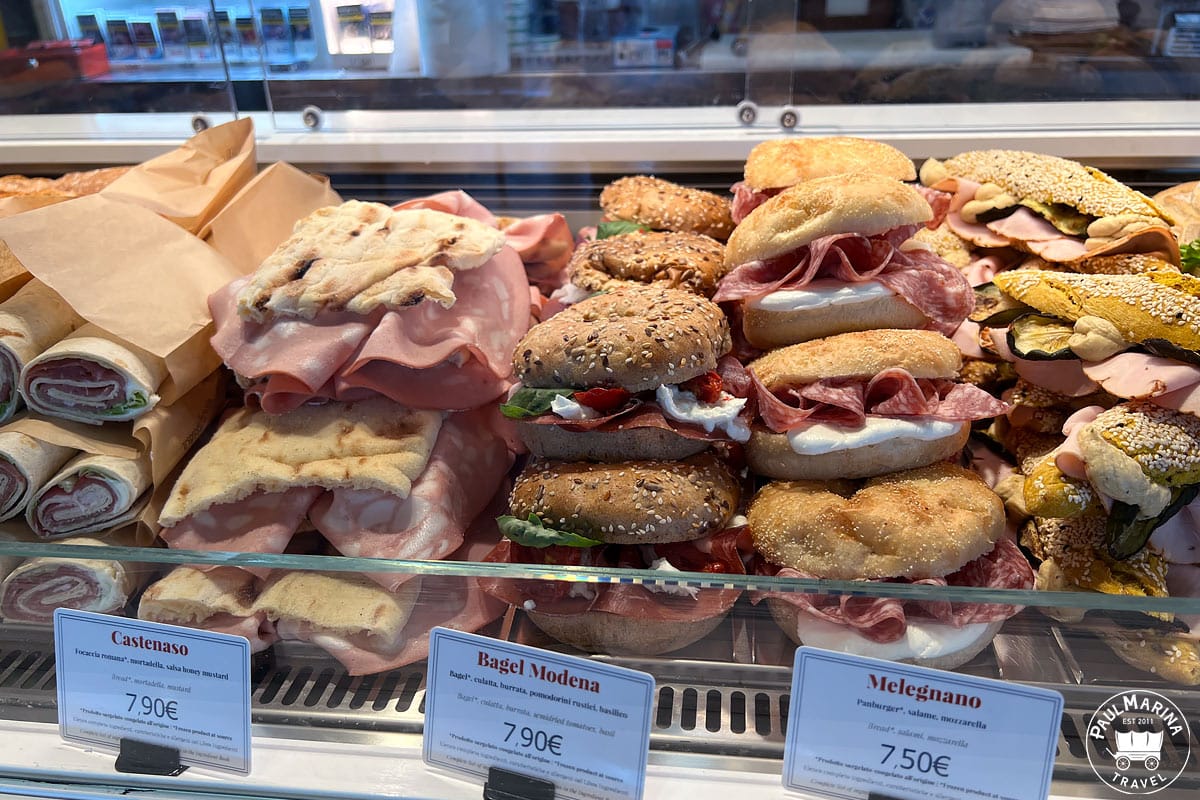
For an ultra-budget-friendly trip, avoid eating out at restaurants. Instead, opt for street food in Europe. Europe has a very diverse street food culture, and every country and region offers something delicious.
Many grocery stores also sell cheap and healthy takeaway food, such as salads and sandwiches.
If you really want to enjoy a lovely meal in a restaurant, avoid places near major tourist sites. Follow the locals for the best, and still reasonably priced, food places.
Location, Location, Location

If you truly wish to see Europe on a budget, skip countries and regions that are expensive. Western, central Europe and Nordic countries are the most expensive places in Europe, but also famed beach areas in the summer months, such as in Croatia, can be pricey to visit.
Places like the Baltic countries (Estonia, Lithuania, and Latvia) and Romania have a lot to offer and are super budget-friendly.
Avoid expensive countries such as Switzerland, Norway, and Austria. Especially Switzerland is another level of expensive that you won't encounter anywhere else in the world (why Europeans don't vacation in Switzerland).
Don't do Insta Tiktok Famous

At last, if you are truly traveling to experience the culture and place and not to show off to your family and friends back at home, then this point matters.
Destinations that you saw advertised on Instagram or TikTok are the most visited places, even if they call it a secret hidden gem. That means these places are not only crowded but also usually completely overpriced.
You'll find similar alternatives in the vicinity that are not that expensive compared and that still offer the same or sometimes even better experience.
Instead of Lake Como, visit Lake Maggiore. In place of the Swiss Alps, do the Austrian Alps.

Comments
No Comments