

Traveling Europe by train is one of the easiest and most rewarding ways to get around, but first-time visitors are often surprised by how different the system can be from what they're used to at home.
From choosing the right tickets and understanding reservations to navigating stations and avoiding common mistakes, this guide covers everything you need to know before your first rail adventure across Europe.
Jump to:
- Buy Tickets for Each Leg and Country Separately
- Compare between Railway Companies if Applicable
- Avoid Last-Minute Bookings
- Check for a Seat Reservation
- Avoid Tight Connections Between Trains
- Pay Attention to Travel Class, Carriage Types, and Numbers
- Check Whether Your Ticket Allows Flexible Travel
- Book Sleeper on the Night Train
- Keep an Eye on Platform Changes
- Keep your Ticket Ready
- Be Aware of Thieves (in Certain Regions)
- Bonus Tips
- 💬 Comments
Buy Tickets for Each Leg and Country Separately
The European continent doesn't have a universal train ticket booking platform (yet!), and that means you will need to purchase your train ticket from every train company separately or use a service such as Eurail or Interrail.
The European Commission announced recently that they planned to introduce a unified platform soon, but for now you'll have to use the following setup:
For prolonged travel across several countries:
To travel between 2 or more countries within 1-3 days book your ticket with the official country specific public railway company.
Example: Vienna (Austria) to Amsterdam (Netherlands) -> OEBB, Amsterdam to Marseille (France) -> Eurostar.
Compare between Railway Companies if Applicable

Some countries have more than one railway company. You will find state-owned and private railway companies in some instances.
Compare between the state-owned and private passenger operators to identify better routes or prices.
Here is a list of all the major countries in Europe with a good railway network and the most notable railway companies.
| State-Owned/ National Passenger Operator | Private Passenger Operator | |
| Germany | Deutsche Bahn | Flixtrain |
| Austria | ÖBB | WestBahn (also applies for Southern Germany) |
| Switzerland | Swiss Federal Railways | BLS AG |
| France | SNCF | None |
| Spain | Renfe | Iryo |
| Italy | Trenitalia | Italo |
| Netherlands | Nederlandse Spoorwegen | None |
| Belgium | NMBS/SNCB | None |
| United Kingdom | LNER, Northern Trains | Avanti West Coast, CrossCountry, Great Western Railway |
| Sweden | SJ | VR, Snälltåget |
| Denmark | DSB | None |
| Norway | Vy, SJ Norge | Go-Ahead Nordic |
| Czech Republic | České dráhy | Leo Express, RegioJet |
| Poland | PKP Intercity | None |
| Portugal | Comboios de Portugal | None |
| Finland | VR | None |
| Hungary | MÁV | None |
Avoid Last-Minute Bookings

Remember to book your railway tickets at least 1-2 months in advance, especially if you intend to travel during peak season and prime times across Europe. There are several reasons for that.
Getting your train ticket reservation ahead of time almost always guarantees better rates. Tickets bought days before your trip tend to be much pricier.
Besides, getting your transportation sorted before your trip begins is the way to go if you care about seamless travel plans and a hassle-free journey.
Check for a Seat Reservation
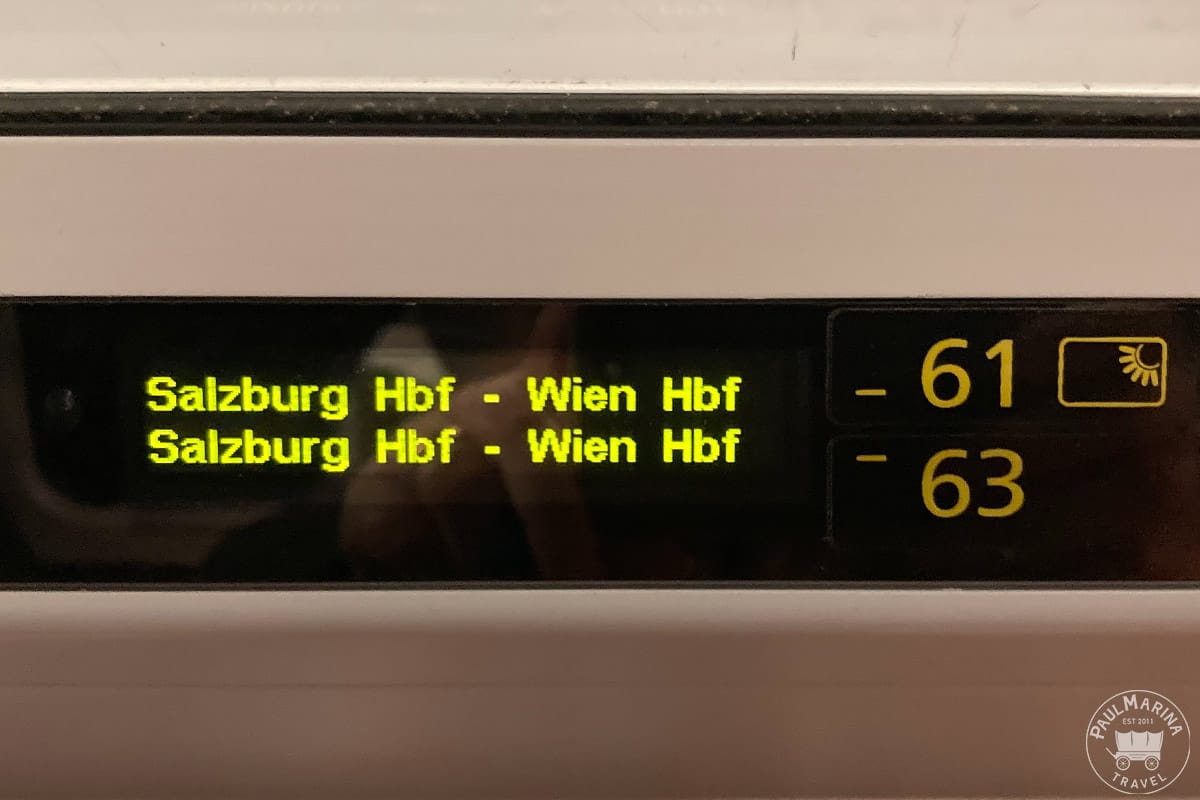
Your railway ticket doesn't automatically include a seat reservation. A ticket gives you the right to travel between two destinations; a seat reservation guarantees a numbered seat to your name for the selected journey.
A seat reservation is highly recommended if you are traveling on a busy stretch (e.g., Salzburg-Vienna), if your train journey is very prolonged, if you are traveling with more than 1 person, and if you are traveling on or ahead of a holiday or weekend.
Busy railroad stretches and holidays combined result in sold-out seats, so make sure to purchase your seat reservation before the onset of your trip. I highly recommend buying a seat when you are purchasing your railway ticket.
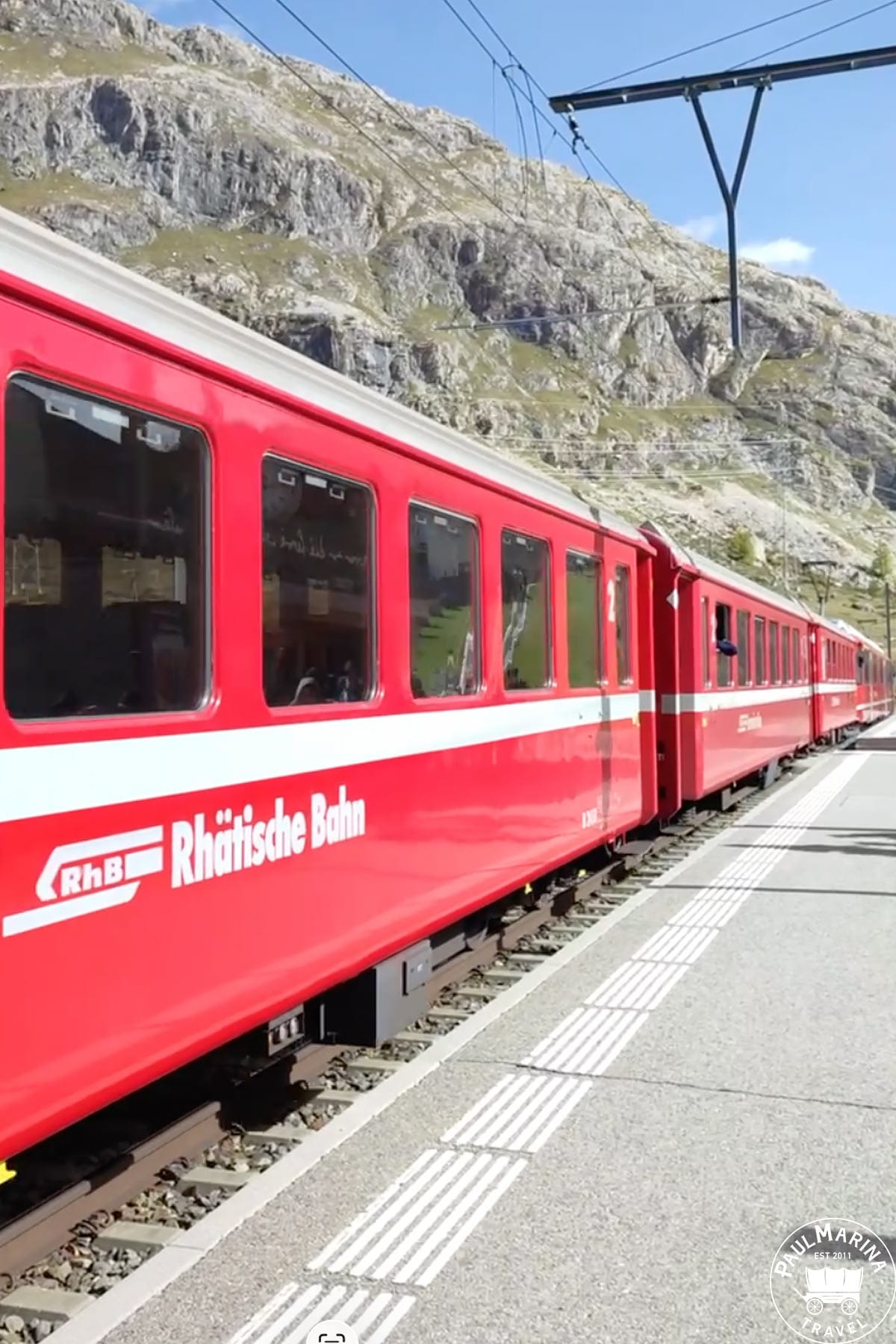
When boarding your train carriage, look out for the assigned seat number. These can be found at eye height, and certain train companies mention the reservation as well.
Keep in mind that seat reservations are bound to a train type and time. Journey tickets that give you the option to pick a train within a 24-hour period, only give you the option to book a seat reservation in one train and not every train that happens to travel along the corridor.
Reserving a seat is not compulsory, and plenty of people do not reserve a seat. Often, you will find someone sitting in your reserved seat. Ask them politely to vacate, and if they do not comply, go and get a ticket inspector (they walk around from carriage to carriage).
We have encountered people who refused to relocate or who'd give us dirty looks. Don't let them have their way; you paid for your seat!
Avoid Tight Connections Between Trains

Trains tend to show up late, especially in central Europe. Germany's DB is notoriously delayed all the time, and only Swiss trains have a spotless track record.
Avoid a train connection that suggests a 5- or 10-minute change of trains at all costs. The chances that you will miss your connection are high.
Occasionally, but with no guarantee, you will have regional trains waiting for late Intercity or Eurocity trains, but this is usually only the case when scheduled railroad works are underway.
A tight connection between trains often results in a missed connection in Europe.
Pay Attention to Travel Class, Carriage Types, and Numbers

When you book a ticket and a seat reservation, you get the option to pick a travel class, a carriage type, and a number.
Most locals choose a second-class ticket. First-class tickets, or business class, are not all that different from second-class tickets. The main difference is the price, higher comfort level, spacious seats, and less crowded atmosphere.
That said, compare between the two classes, and if it doesn't cost all that much more, opt for the better solution.
Some countries offer different carriage types in the second class. We have encountered family carriages and quiet zone carriages. Unfortunately, quiet zones are rarely quiet, but family carriages are super welcoming if you travel with the little ones.
When you book a ticket seat, pay attention to the carriage number and its exact position. Every railway platform offers a map of every passing train, showing the location of each carriage when it enters the platform. Standing at the designated lettered platform section can save you time getting to your reserved seat when the train enters the railway station. For example, platform 2 has sections A, B, and C.
Check Whether Your Ticket Allows Flexible Travel
You can purchase two ticket types: flexible and non-refundable tickets.
Flexible travel tickets are usually the base norm; that means they are non-discounted, but you can pick any train within a set day to get to your chosen destination.
Flexible train tickets are particularly useful if you would like to keep your travel plans open. We use these tickets if we want to jump on the next best train to get from destination A to B.
Non-refundable tickets are very affordable tickets, but the train and time are set and cannot be changed. So, if you miss your train, you will need to purchase a new ticket.
Cheap, non-refundable tickets can be bought weeks in advance. (e.g., Sparschiene Tickets of the ÖBB in Austria). These are great if you have a set itinerary and budget. They are typically sold outside the busiest train travel times of the day and season.
Book Sleeper on the Night Train
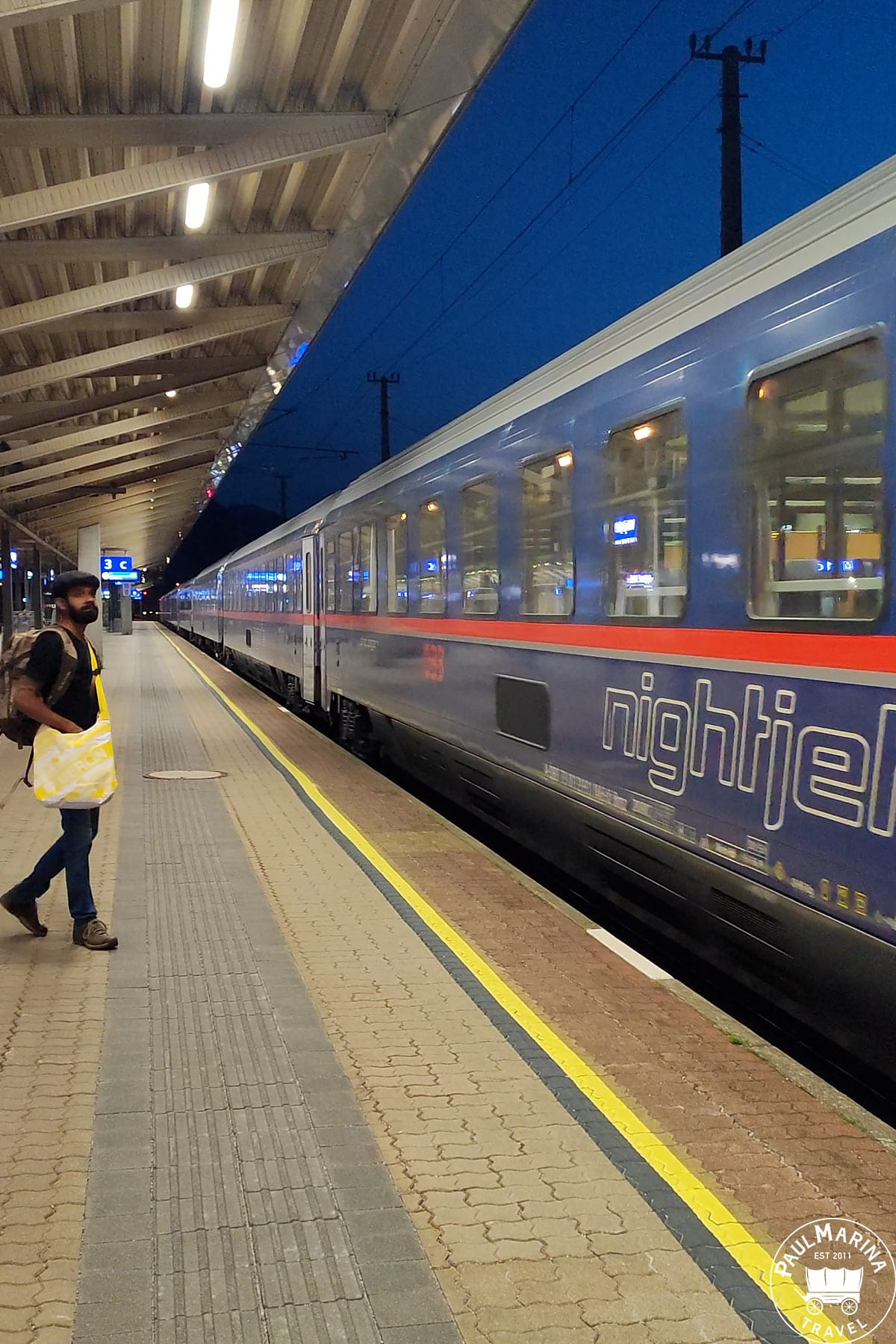
Don't make the same mistake we made!
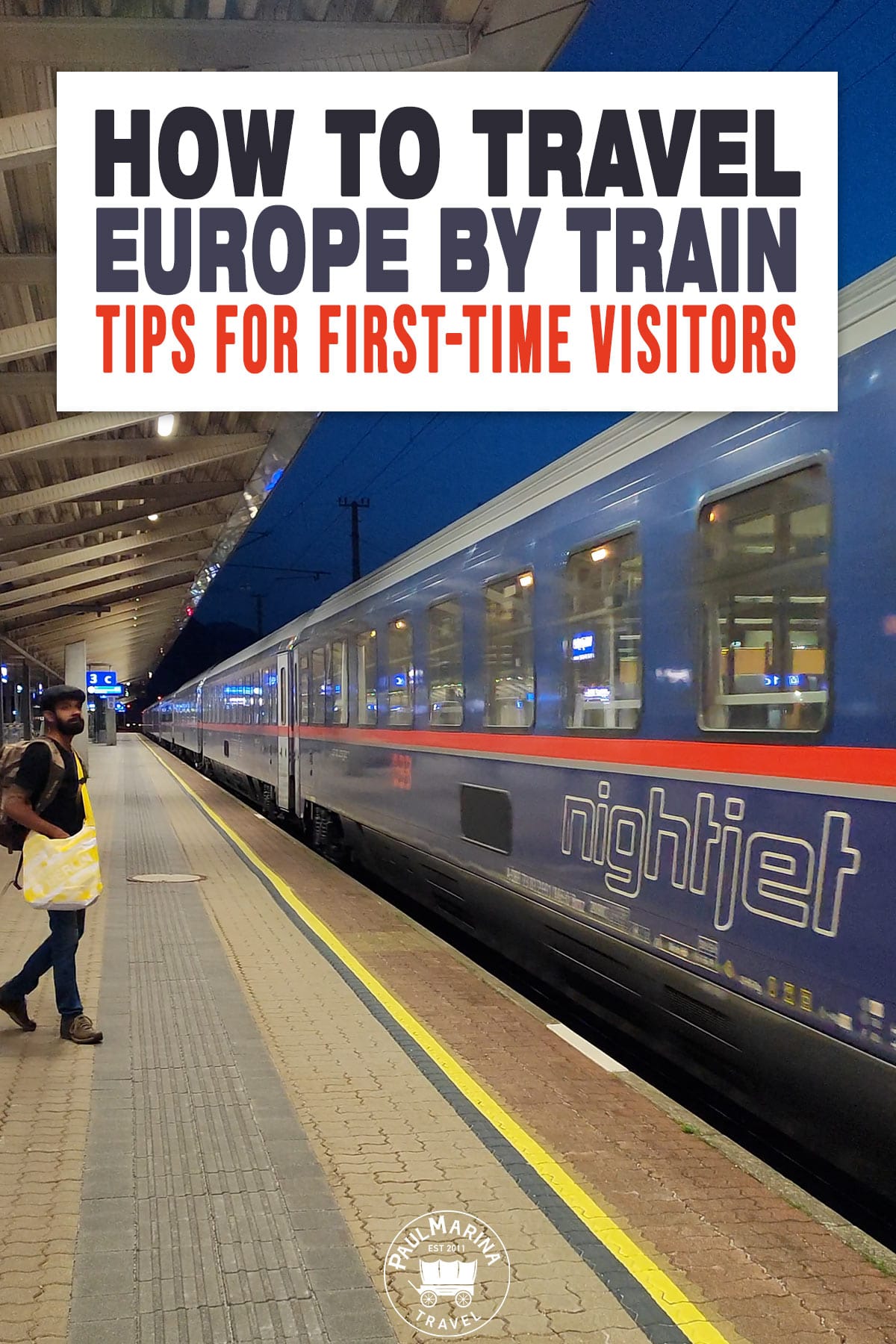
We booked a seater instead of a sleeper in a Nightjet train going from Austria to Amsterdam, and it was one of the most exhausting night trips ever.
Seater tickets are much cheaper but come with the added discomfort of having to share the space with other travelers. For example, we had a 6-seat night train compartment, and that meant we were stuck with 4 other travelers in a tight space (including large luggage).
Sleeper tickets cost much more, but you get a compartment with a bed and a shower.
Nightjet trains can be delayed over night, waiting at specific railway stations for another convoy. And you'll feel fresher on your arrival if you actually get to sleep a bit.
Keep an Eye on Platform Changes

Imagine you have all your ducks in a row. You carried your suitase to the platform, you are waiting for your train but your train is suddenly announced on another platform, a minute before its arrival.
Last-minute platform changes are fairly common in Europe, and they always caught us off guard. Luckily we pay attention to the announcements, which are always in the local language followed by English.
Avoid waiting for your train with noise-canceling headphones and keep an eye on the platform train announcement, spoken and written. Don't rely on your train app!
Be ready to switch to another platform if need be. That means keep an eye out for elevators if you are traveling with a lot of baggage. (platform elevators are often out of order).
Keep your Ticket Ready
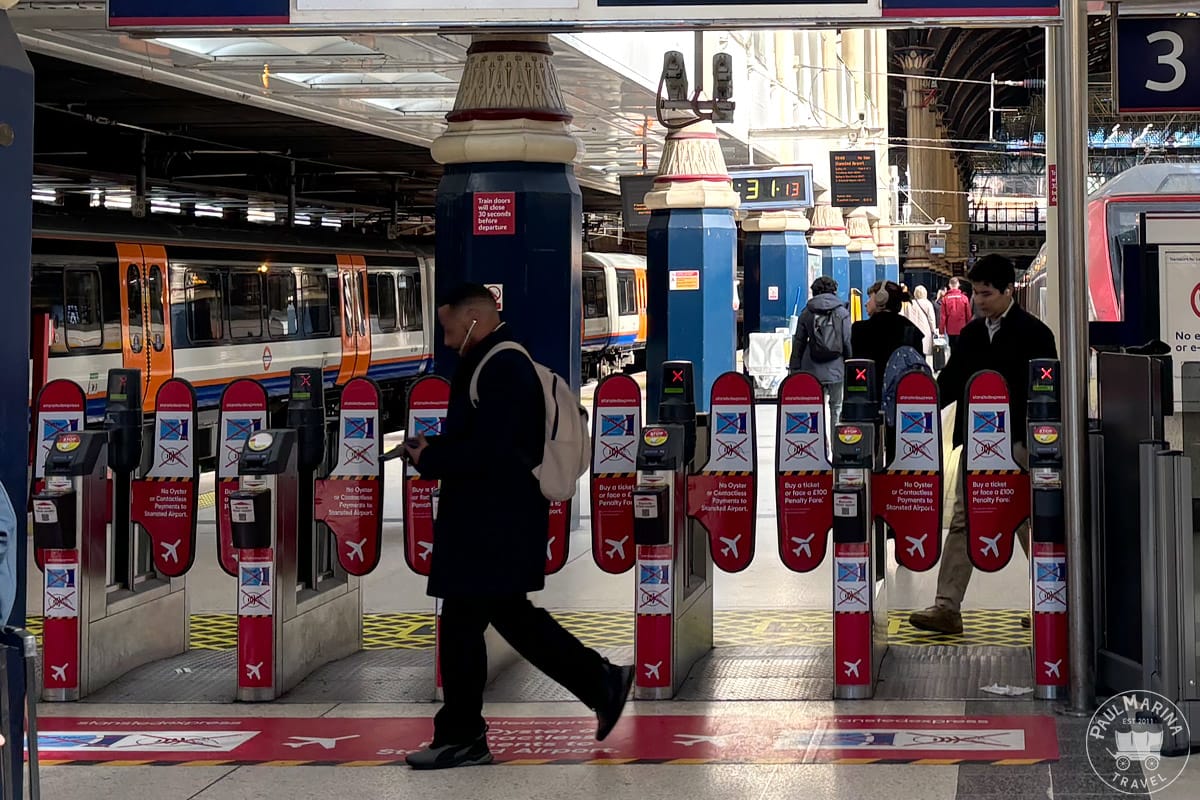
Inevitably, you will need to show either a QR code app ticket or a physical ticket to the ticket inspector.
Most railway company apps only present an option to either use the standard QR code train ticket or to convert this ticket into a printable train ticket. You can't have both. Besides, online app QR code tickets are bound to the device they were purchased from (a screenshot can help).
In some places across Europe, you won't be able to access or leave the railway station without scanning your train journey ticket.
For example, in Amsterdam, and in London, you will need to scan your train ticket if you want to leave the station. Therefore, don't just throw your physical ticket into the trash. Keep it with you!
Pro Tip: Take a screenshot of your QR ticket, just in case the app is getting funky or if your battery life is low (send it to your travel buddy). Most trains offer free Wi-Fi, and accessing the app shouldn't be an issue.
Be Aware of Thieves (in Certain Regions)
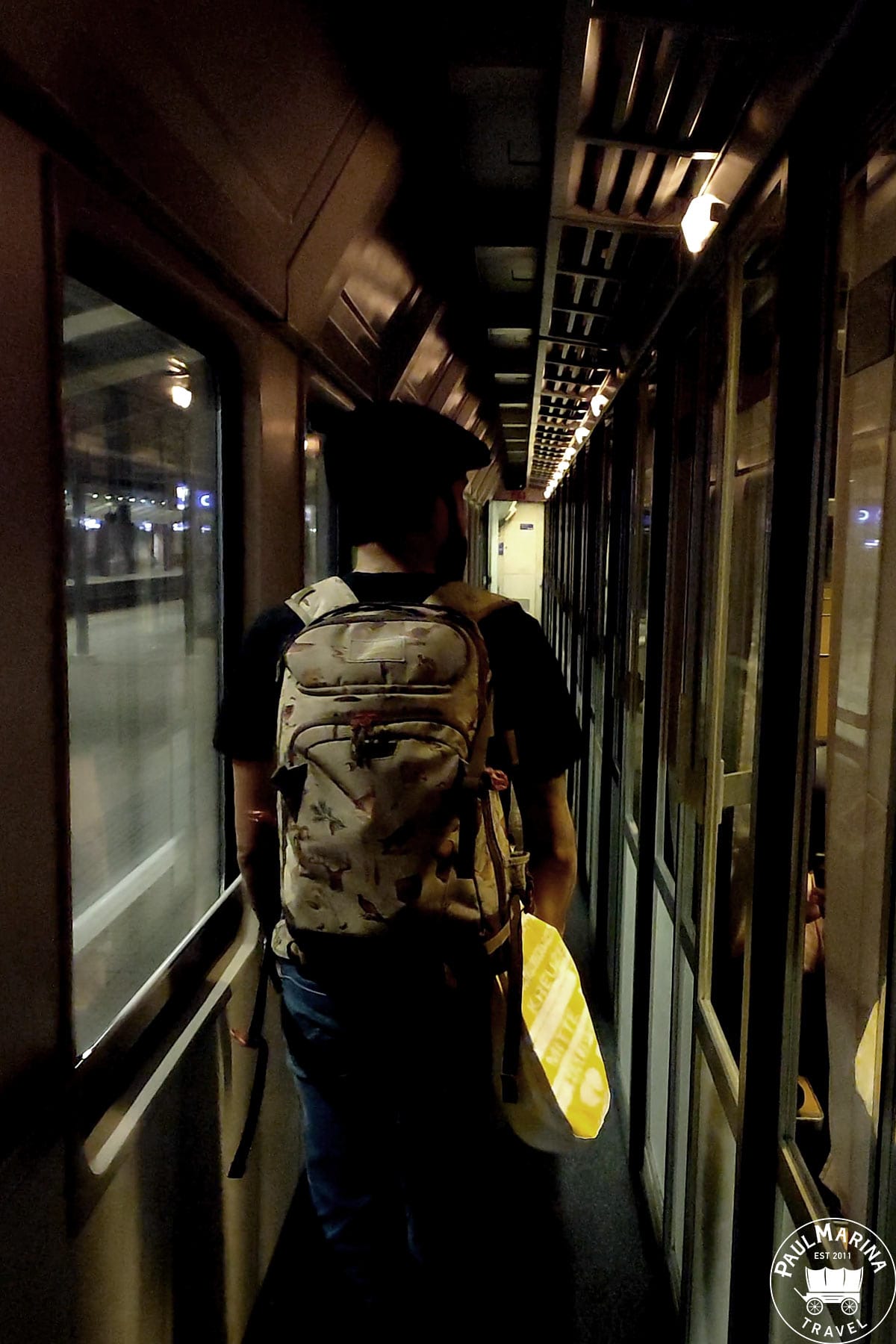
Specific regions in Europe are known for thieves and pickpockets and you will need to take extra care of your belongings.
This includes mostly western Europe, including the Netherlands, Belgium, France, Spain, and the UK, as well as Italy.
Pickpockets are self-explanatory, but the latest scheme is switching bags in the overhead compartment. Bring a chain lock with you and attach your bag to the overhead compartment or hold it in your arms. Also, don't fall asleep!
Bonus Tips

Large suitcases need to be properly stowed. You will find luggage compartment zones at the entrance of most wagon carriages.
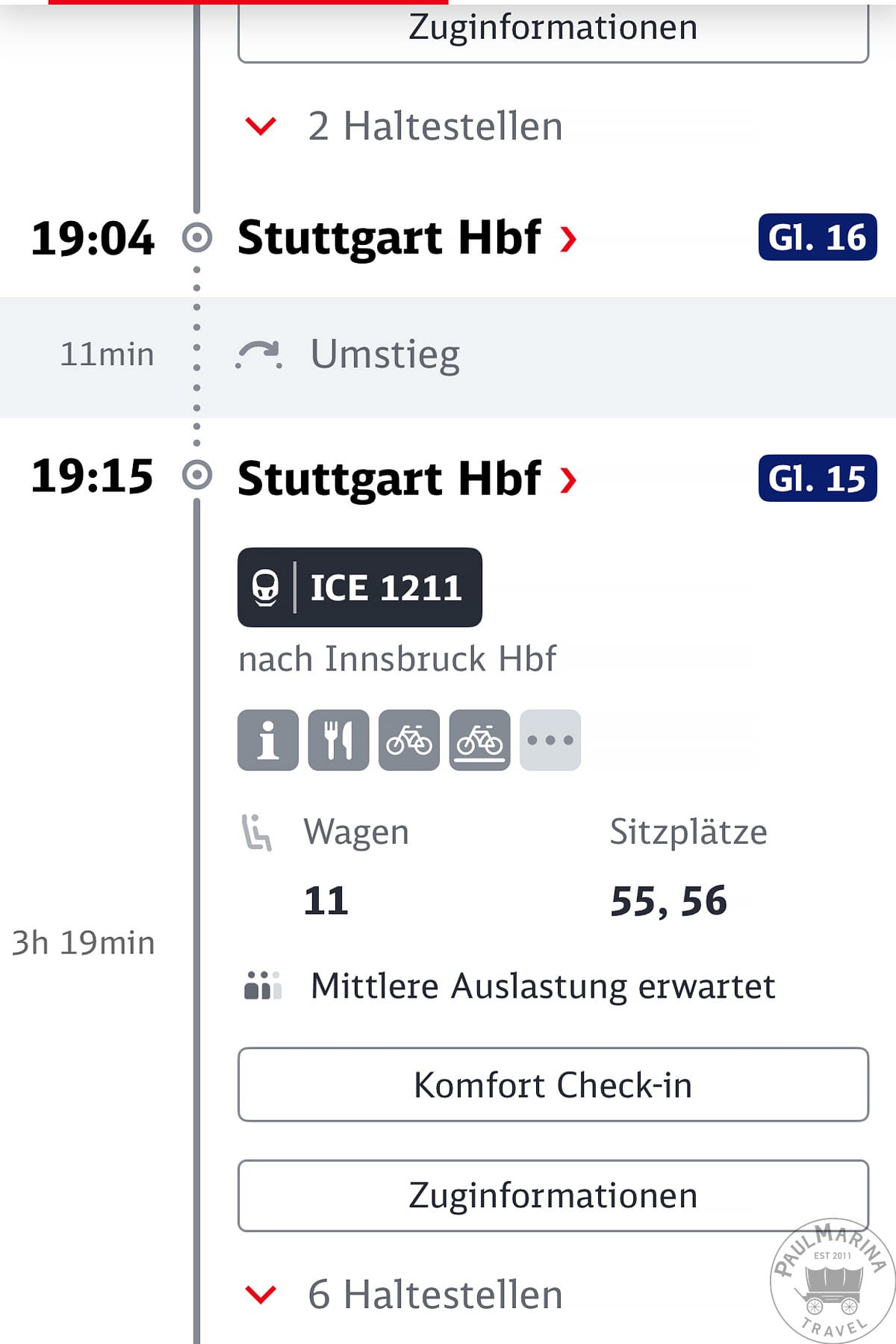
You will acquire additional helpful information about the train when you are selecting the connection, such as restaurants on board, bicycle transport options, and the occupancy rate.
Physical manned ticket sale booths are rare and a thing of the past across Europe. Ticket machines are easily accessible and usually conveniently located in the most frequented areas of the railway station.
The country of Luxembourg is offering free public transport across the country for all second class train compartments. Let's hope more countries will follow suit!
Comments
No Comments