

The former imperial city, Vienna in Austria, has long been known for its food and coffee culture. But only a few know about the different traditional eateries, and I think you are missing out if you don't explore each one.
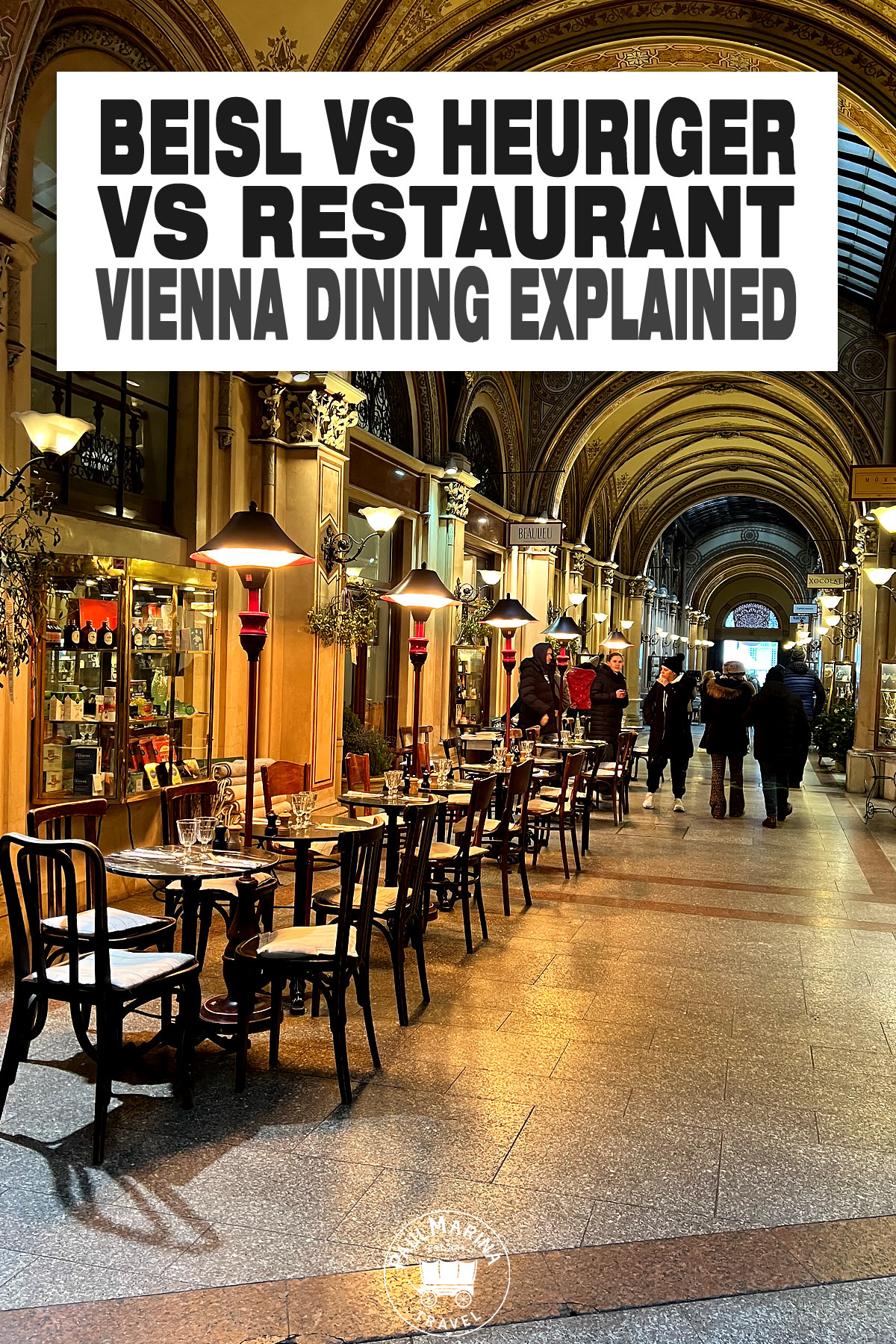
Just like the Italian Ristorante, Osteria and Trattoria and the French Bistro, Brasserie, and Restaurant, Vienna developed its own share of traditional eating establishments.
I break them down and show you how they differ from each other!
Jump to:
What's a Beisl?
A Beisl is a smaller, casual, down-to-earth food place. This is where the commoners would eat a budget meal back in the day.
The term and establishment type, Beisl, is exclusively reserved to Vienna and its surrounding regions.
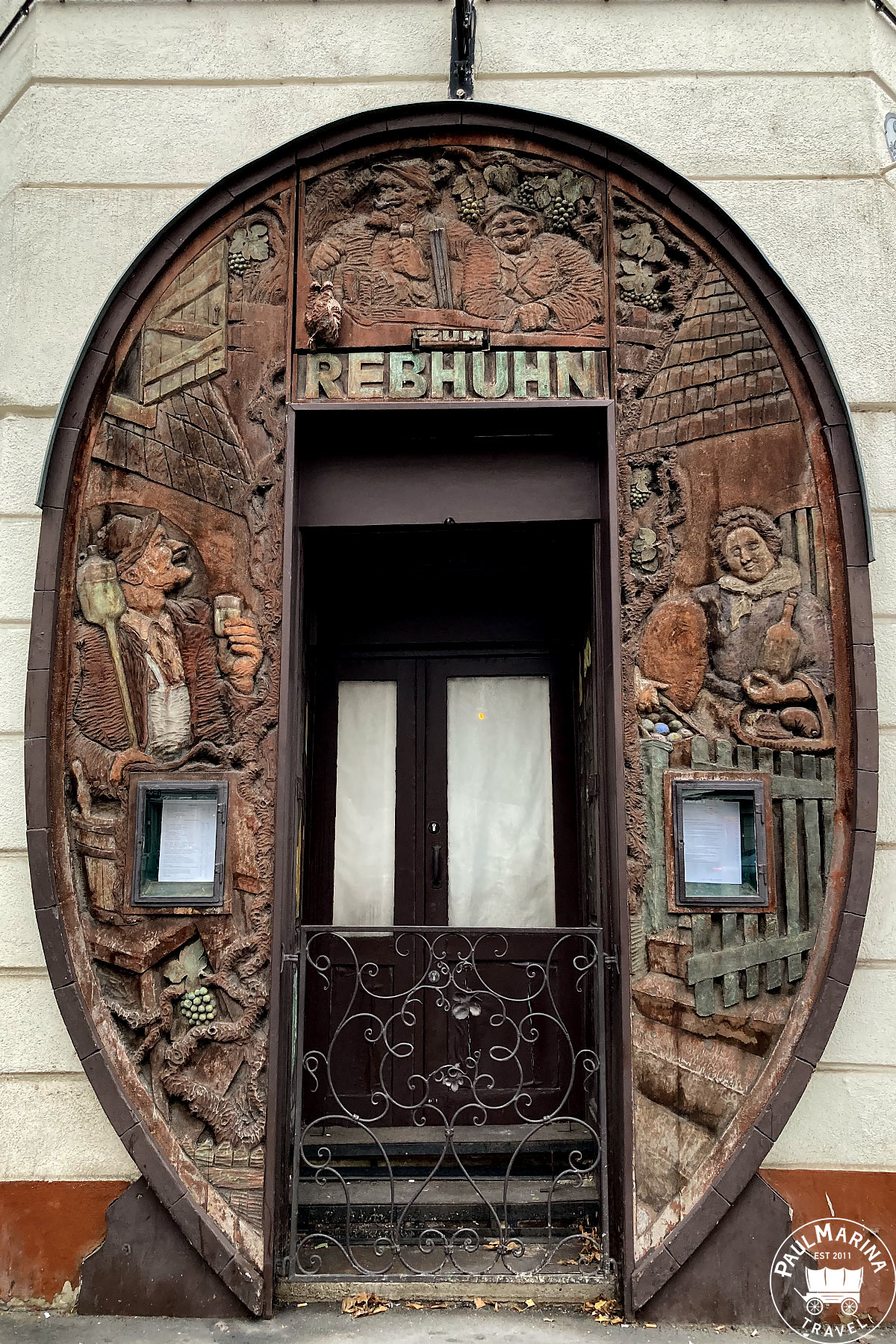
There are fewer dishes to choose from on the menu, and they offer a special day menu.
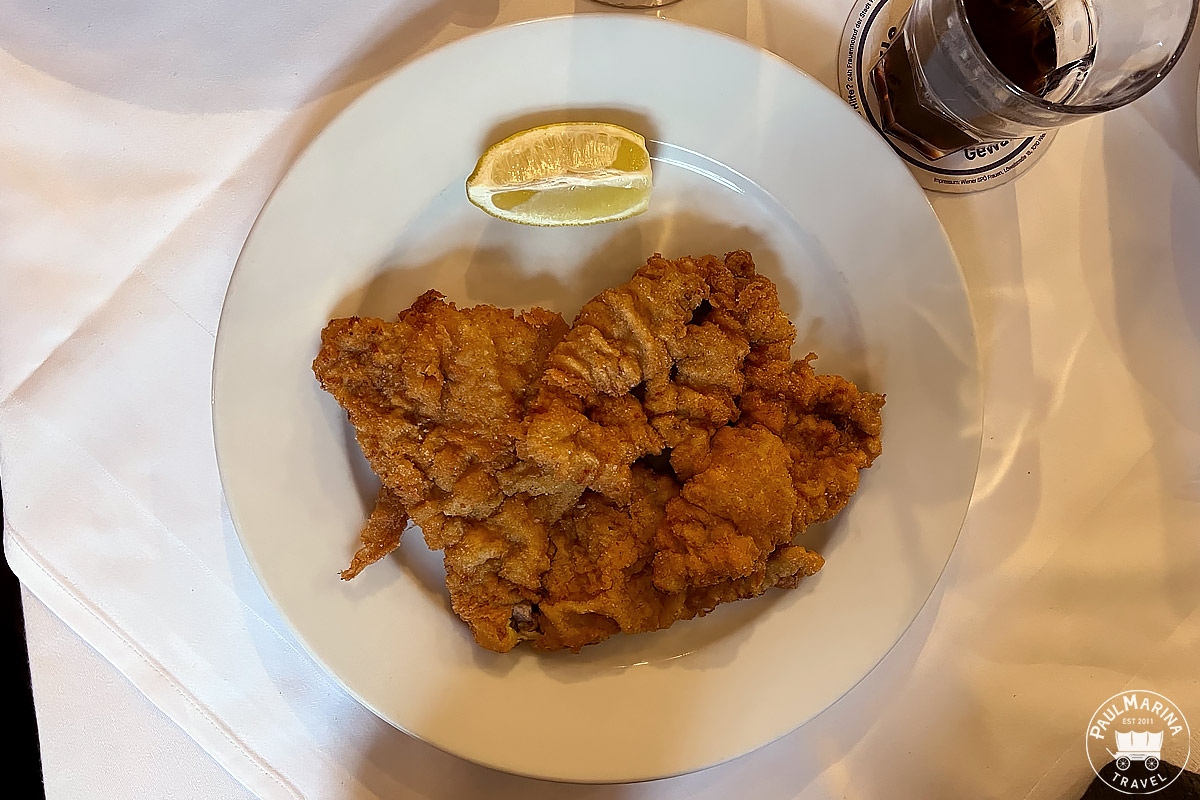
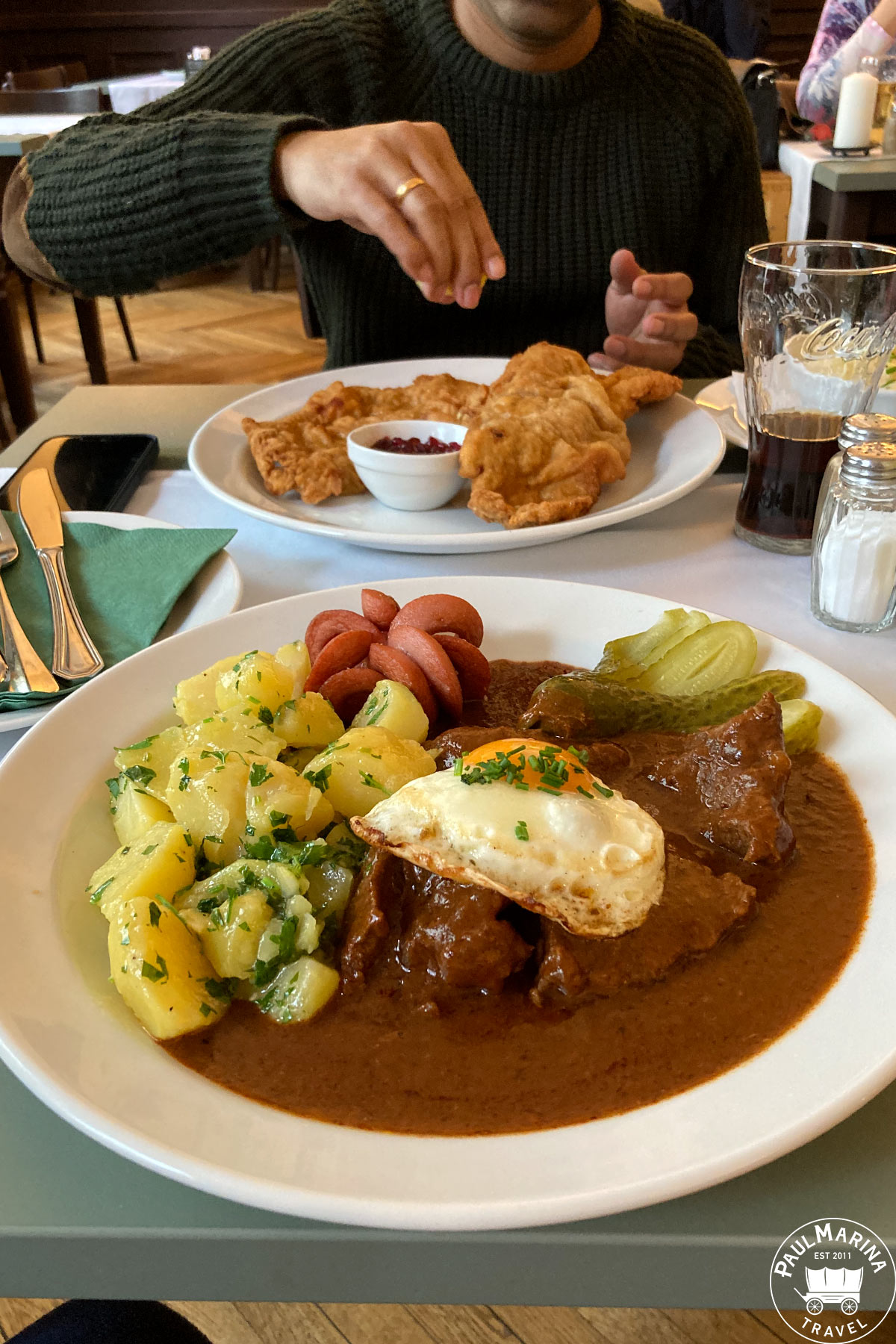
Locals go to a Beisl for a glass of wine or beer served with a traditional Viennese dish, such as a Beef Goulash or a Beuscherl (a traditional Austrian dish with finely sliced organ meats).
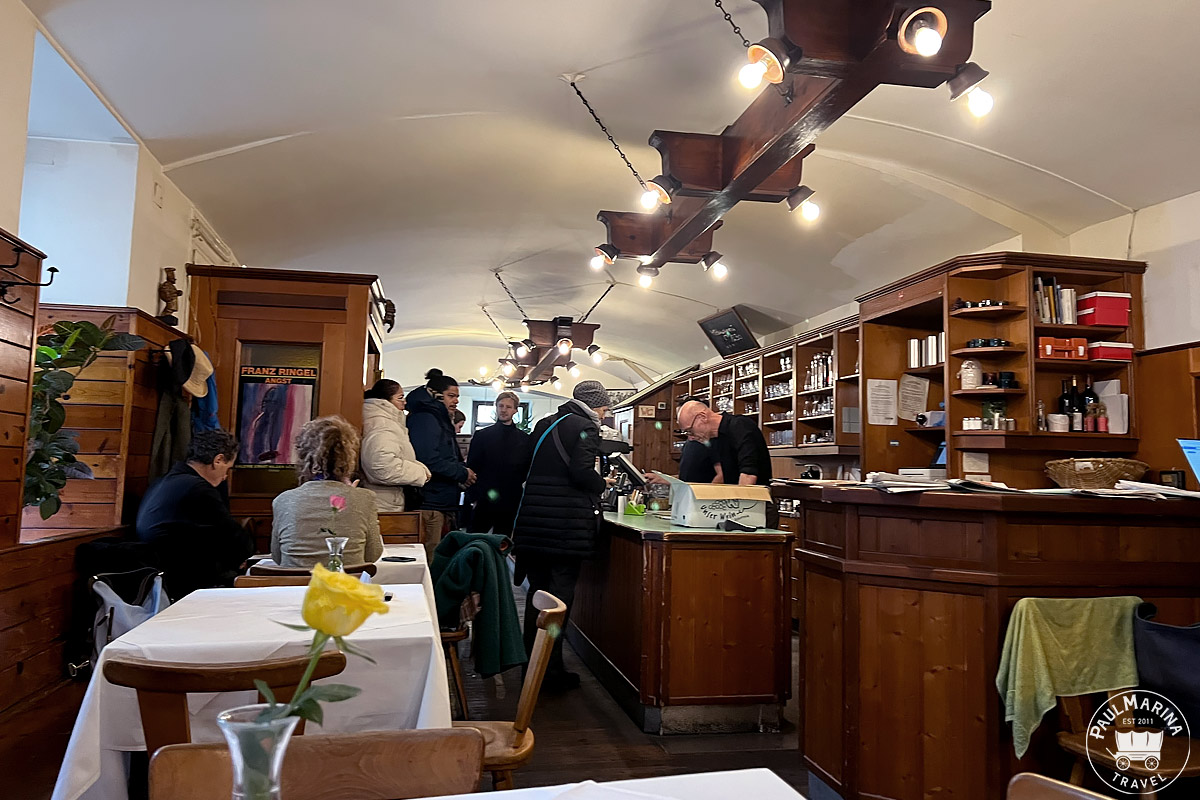
It is also not uncommon to see Viennese dining at a Beisl on their own, without a friend or companion. We have also observed elderly couples frequenting their neighborhood Beisl daily for lunch. They have a perpetual reserved table.
We fell in love with the way they are set up; we appreciated the personal service, and the food was always a high-quality experience. It's like tasting a piece of the Viennese soul.
Unsurprisingly, Beisl have turned into this trendy dining attraction in recent years. Yet, due to the small layout, they tend to be out of free tables by noon.
Tip: Head to a Beisl before noon to get a table and pick a Beisl outside the major tourist center for the most honest experience.
What's a Heuriger?
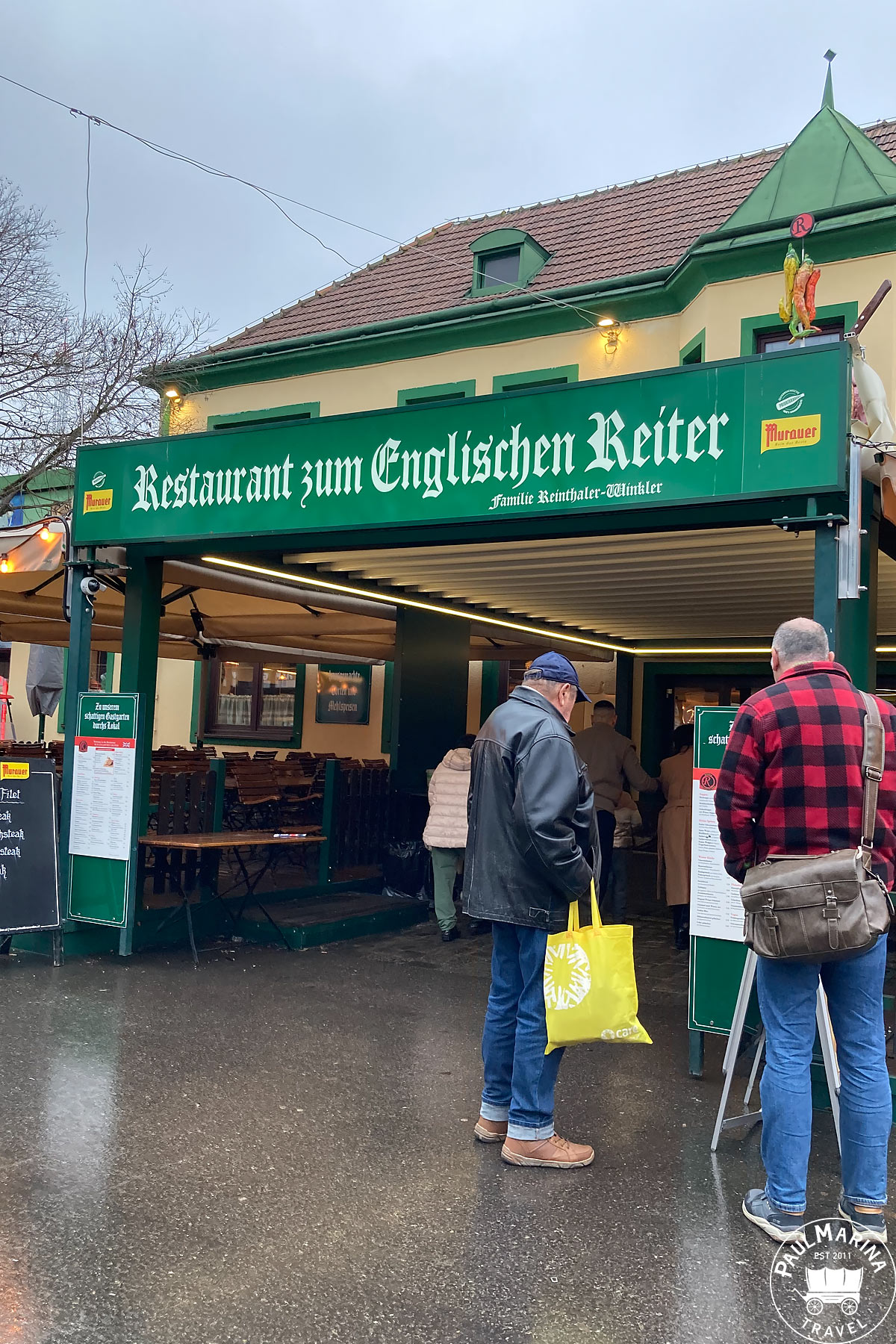
A Heuriger is a traditional Austrian wine tavern usually run by local winemakers who serve their wines alongside regional food specialties. In other Austrian regions, they are known as Buschenschank.
In Vienna you'll find these establishments mainly on the outskirts of the city close to the vineyards.
These taverns are popular gathering places where locals meet over wine and food, often sharing large tables in a relaxed atmosphere. Many Heuriger have charming courtyards and gardens where guests can sit outdoors during the warmer months.


Traditionally food includes cold cuts, cheese spreads, and bread, although many Viennese Heuriger also serve warm meals.
The word Heuriger also refers to the young wine of the current harvest, which is traditionally served at these taverns. Unlike ordinary restaurants, traditional Heuriger are closely connected to the local wine-growing culture and often have limited opening periods.
What's a Restaurant in Vienna?
Restaurants in Vienna developed in tandem with other traditional food establishments in the city. Historically, restaurants started to appear in the 19th century as fine dining experiences.
The idea was influenced by the literal restaurant revolution in France. People should be able to order a la carte and be served at the table in a more upscale environment, just like royalty.
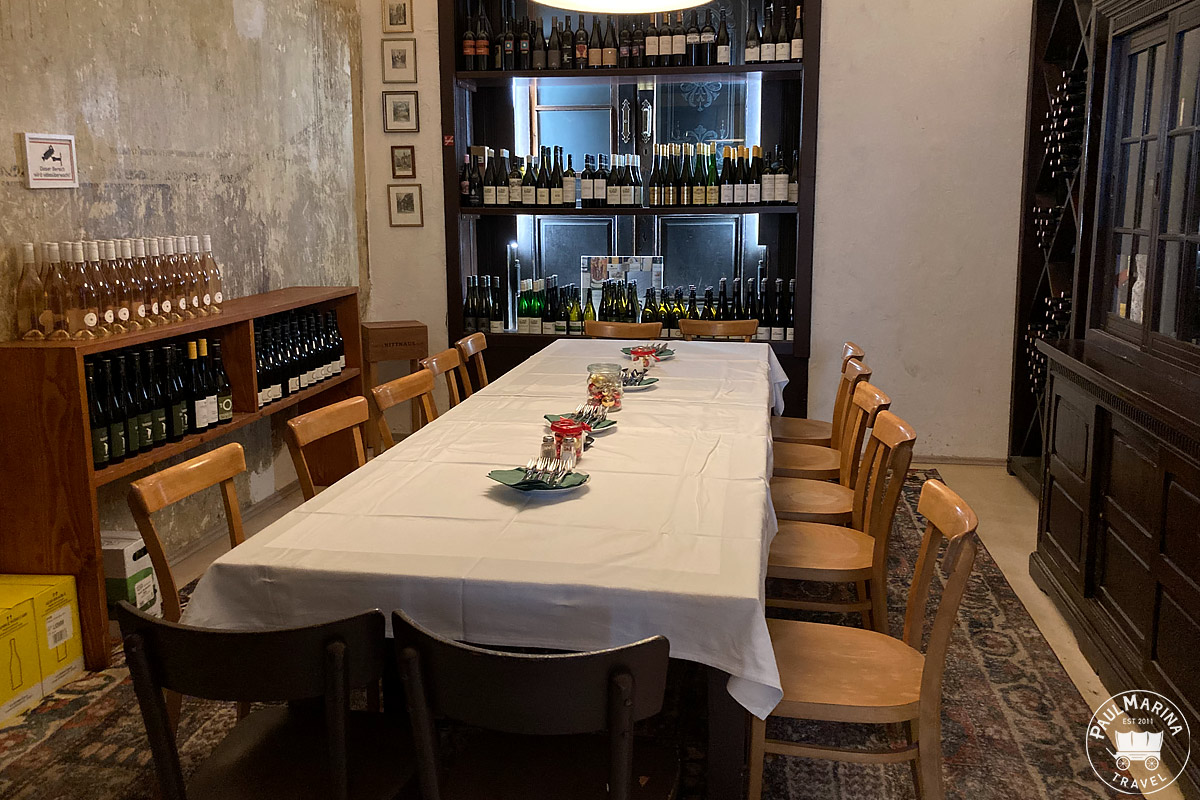
In contrast to other places around the world, restaurants never replaced traditional lower-class food corners. They coexisted, and while they remained cultural and historical distinctions, the terms didn't remain strict categories today.
As it came to be, just like the rest of the world, restaurants are not necessarily only upscale places in Vienna. A common food place can be called a restaurant as well.
More Food and Drink Establishments in Vienna
Here are some more traditional food and drink establishments in Vienna.
| English Translation and Meaning | |
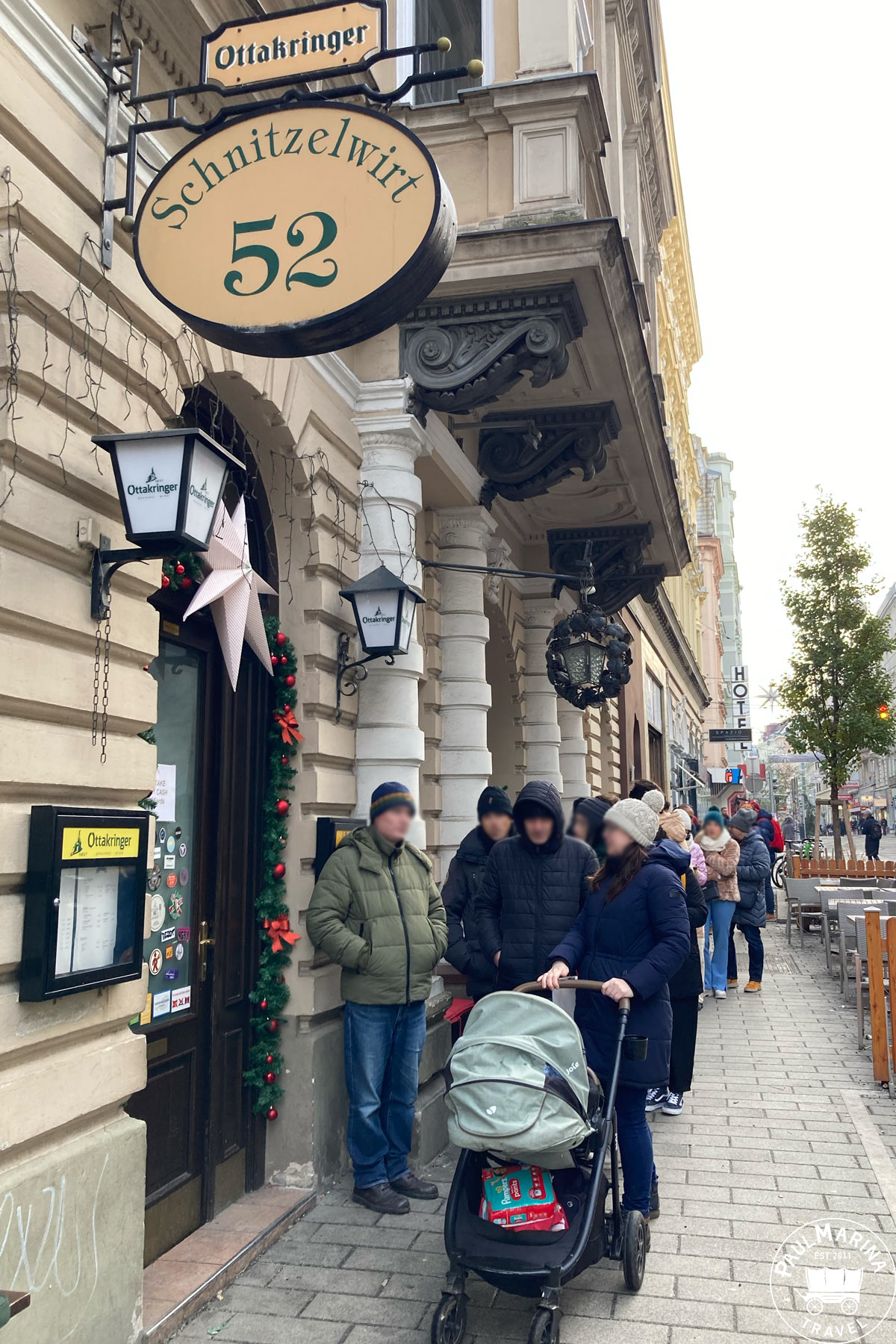
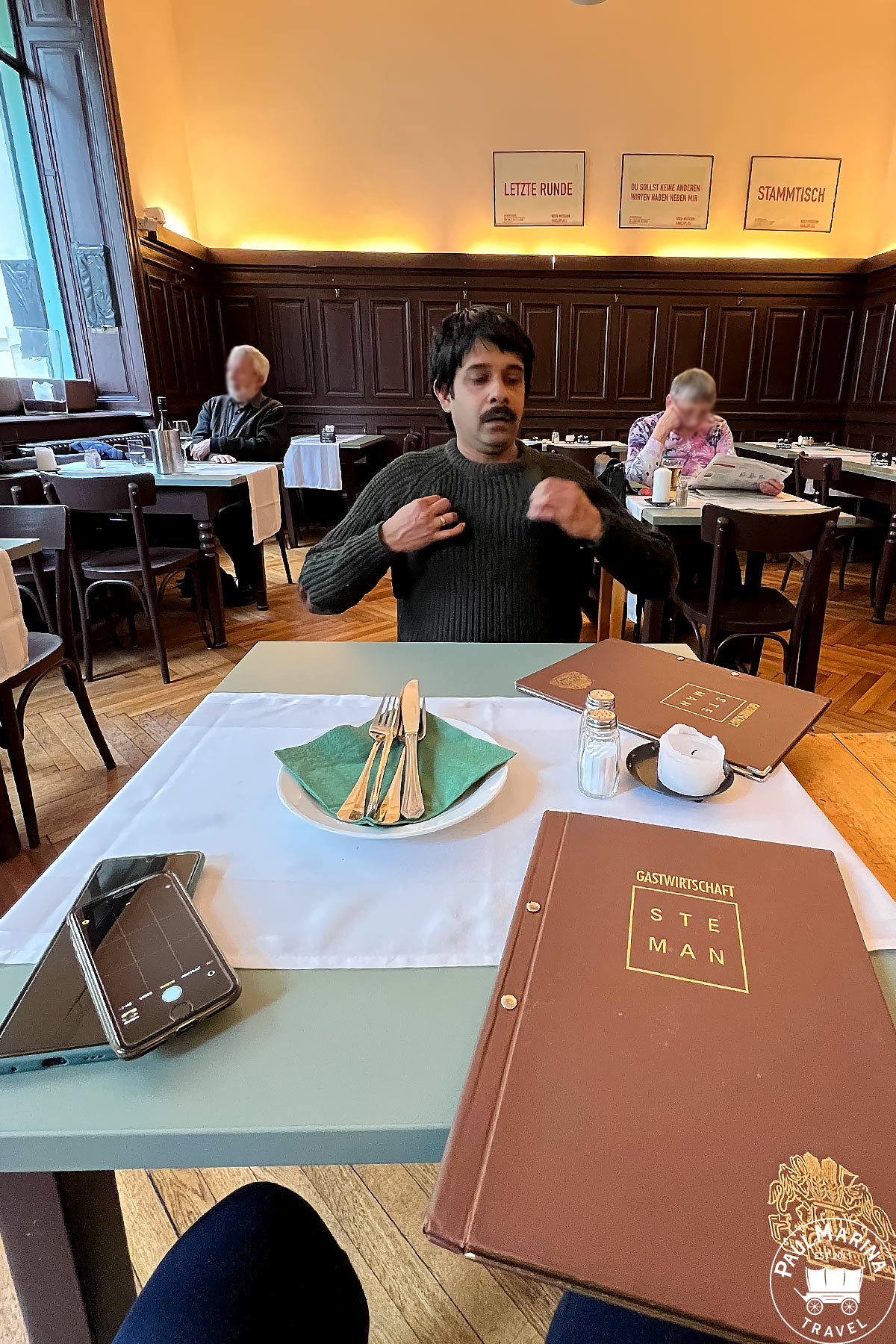
| Gasthaus/ Wirtshaus/ Wirtschaft | A traditional inn that serves local specialties in a quaint setting. Locals are the main customer group. In Vienna they are mostly called Gasthaus; in other states across Austria, they are also known as Wirtshaus or Wirtschaft. |
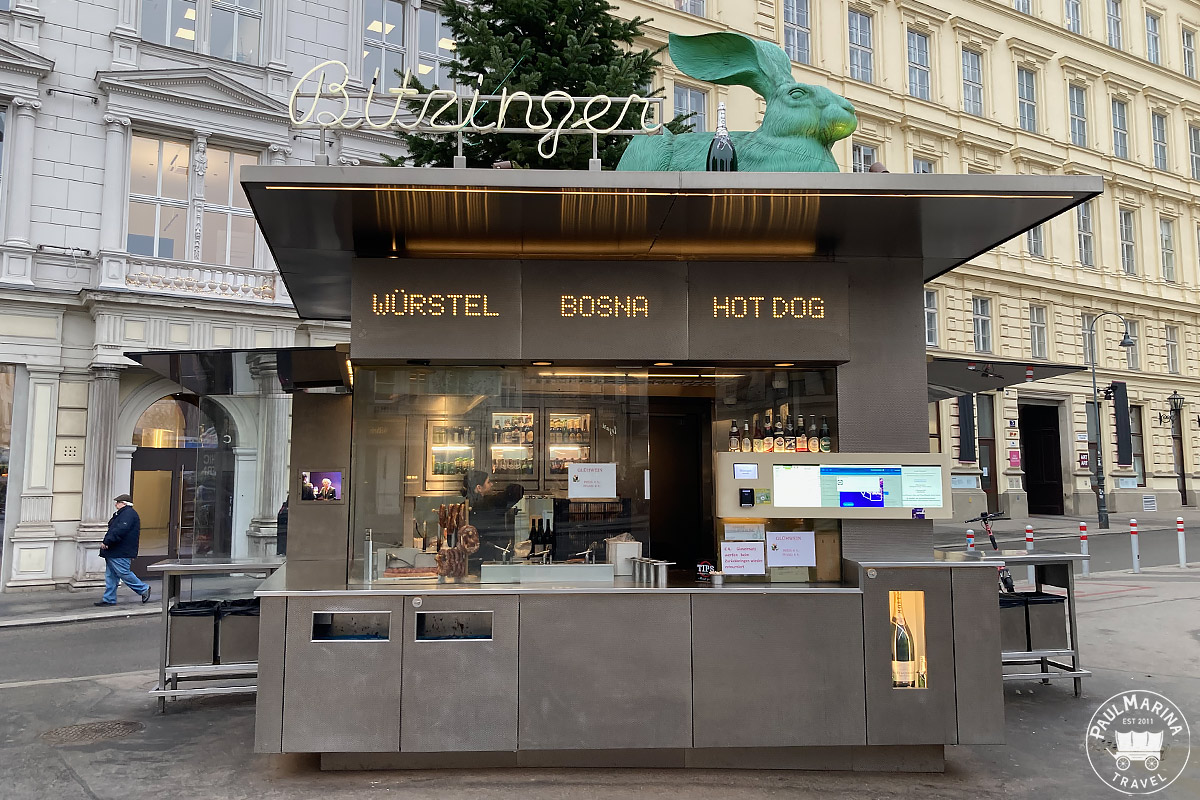
| Würstlstand | Historic sausage stands that sell Wienerwürstl (aka Wiener abroad) and other sausages, such as Debreziner and Käsekrainer, in a bun. Technically, this is your original hot dog stand. The Würstlstand was officially added to Austria's national inventory of intangible cultural heritage in 2024, maintained by the Austrian UNESCO Commission. |
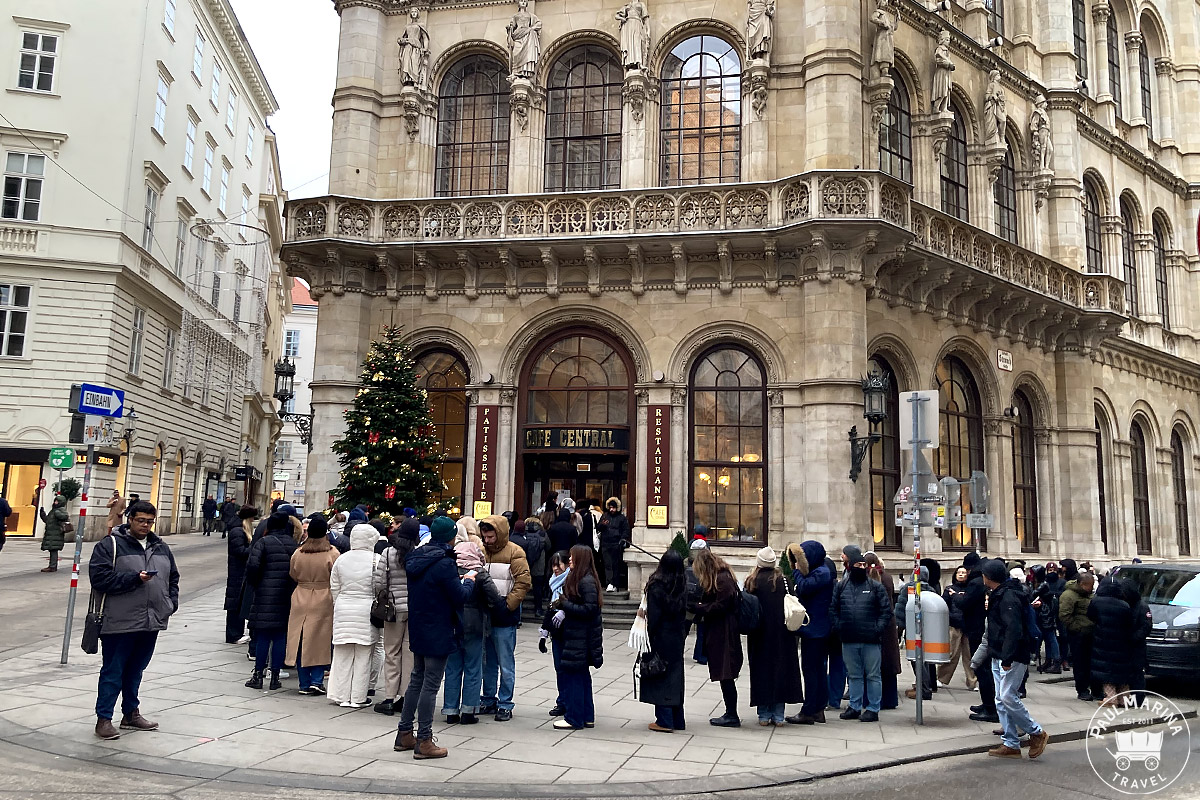
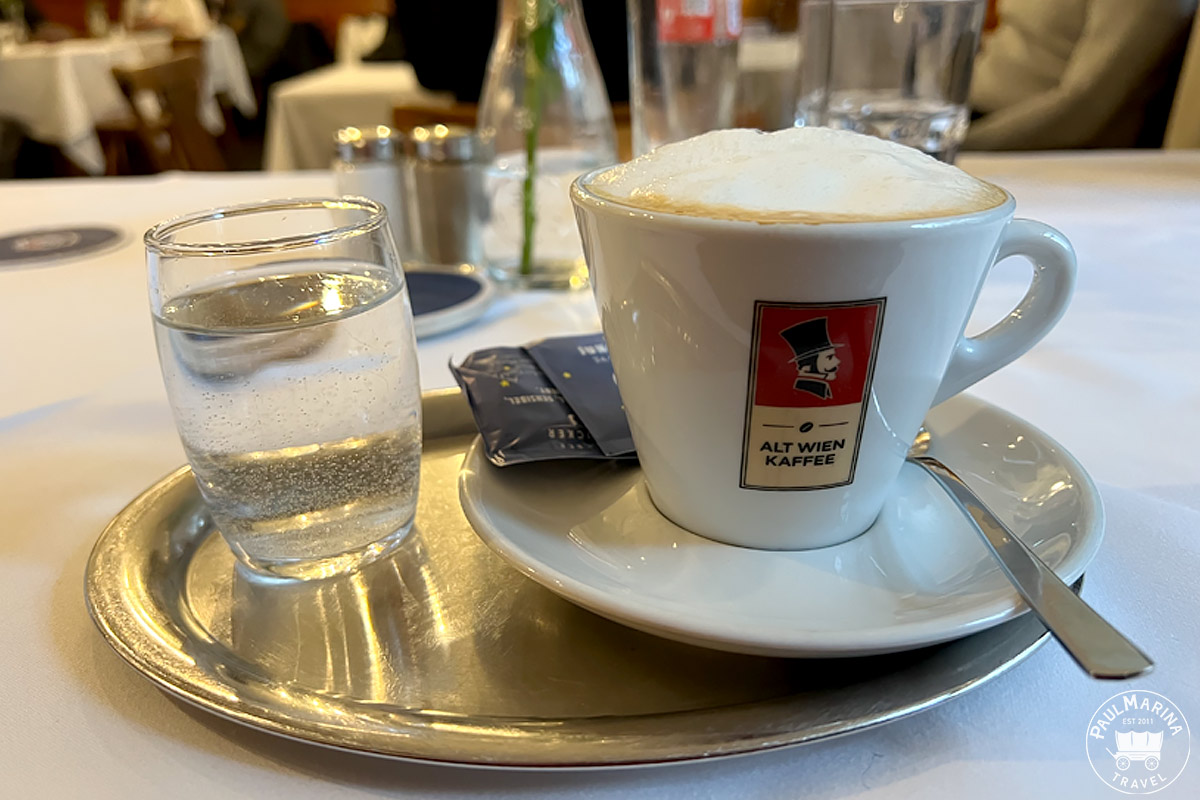
| Kaffehaus | The literal translation is "coffee house." The city is known for its traditional coffeehouse culture, which emerged in the 17th century after the Turkish invasions. These places were a popular meeting point for politicians, writers, and intellectuals. Visitors in a Kaffeehaus typically take their time to savor their coffee with cake and whipped cream. The Viennese Kaffeehauses today are well-visited by international tourists. |
| English Translation and Meaning | |
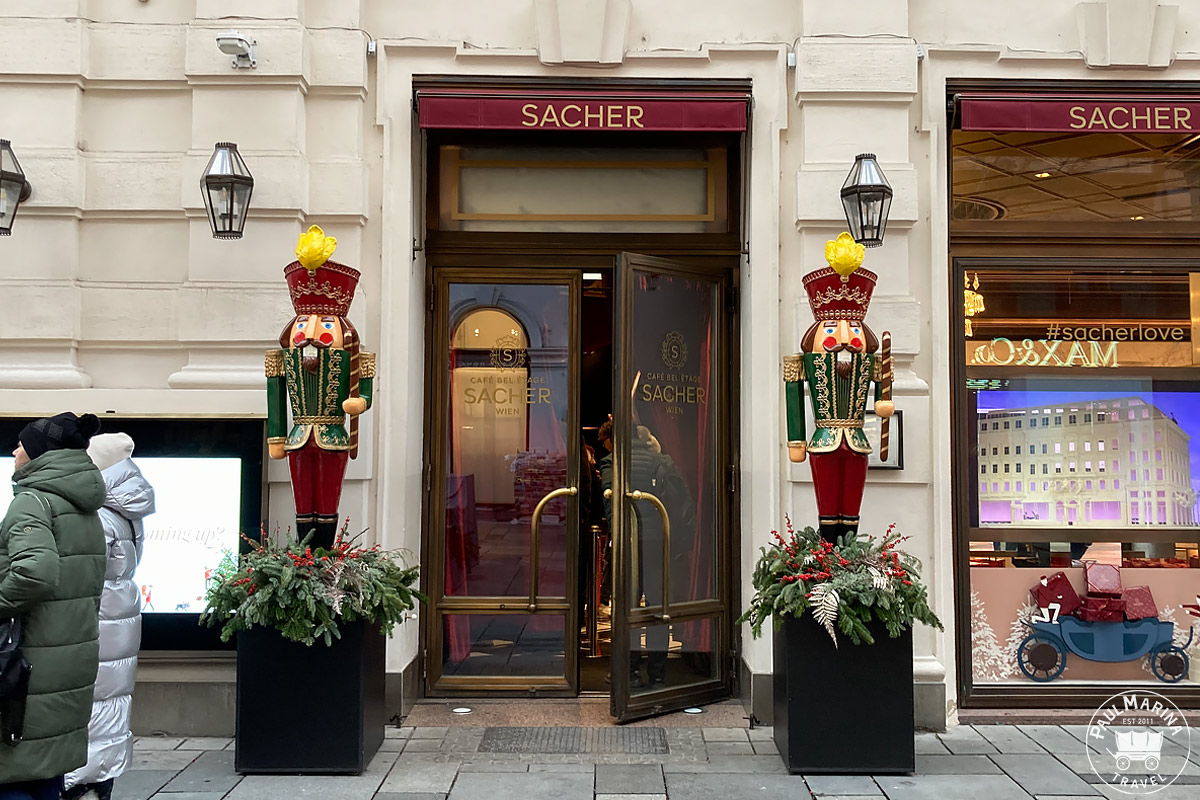
| Konditorei | A pastry shop specialized in Torte, cakes and small pastries. They usually come with seating options. A bakery can have a Konditorei added as well. |
| Branntweiner | A traditional liquor bar, serving drinks to working-class locals. They specialize in spirits such as Schnapps. |
| Bierlokal | A beer tavern serving also simple foods. |
| Schanigarten | The outdoor area of a coffee place, restaurant, or Beisl set up in the pedestrian area. It occupies a public space. |
In Conclusion
Each type of establishment emerged because it catered to a distinct market and clientele, and it was frequently a reaction to historical events that were happening at the time.
In Austria, traditional inns are either called a Gasthaus, Wirtshaus, or Wirtschaft (depending on the region). Interessingly, some Beisl are at times described as a Gasthaus as well. A Gasthaus can also be called a restaurant.
Only the term Heuriger/Buschenschank is set in stone because these establishments require a special license.




Comments
No Comments