

Unforeseen costs can take you off guard, but they can only be unexpected if you were not properly informed.
This guide helps you understand the various unexpected costs that you may encounter on your trip to the European continent.
Jump to:
TL;DR
The European region consists of many smaller countries, and each has its quirks, laws, and social norms.
Yet, several situations regarding expenses, appear in various countries across the continent.
I thought it would have been nice if someone had created such a list when I first traveled across Europe. Thankfully, my wife was by my side to prepare my wallet for each new situation.
Therefore, I have compiled this list of things and services that you thought might be free, and I have also added common pitfalls.
Free Refills & Tap Water

Free soda or coffee refills are generally not a thing in Europe. Except breakfast hotel buffets offer free refills.
Be prepared to pay for all tap water across Europe, whenever you sit in a restaurant, at a bar, coffee place, or in your hotel lounge.
A glass of tap water can cost as much as a cup of black coffee, about €2. Some places will offer carbonated or plain water in a bottle, and they won't provide tap water as an option.
The more touristy a location, the more expensive your tap water. Rural areas and places that are not that well known yet to travelers in Eastern and Southern Europe might not charge you for your tap water.
Insider Tip: Austria and some neighboring regions serve coffee with a glass of water for free. You will also find free public drinkable water fountains across Europe.
Limited Traffic Zones
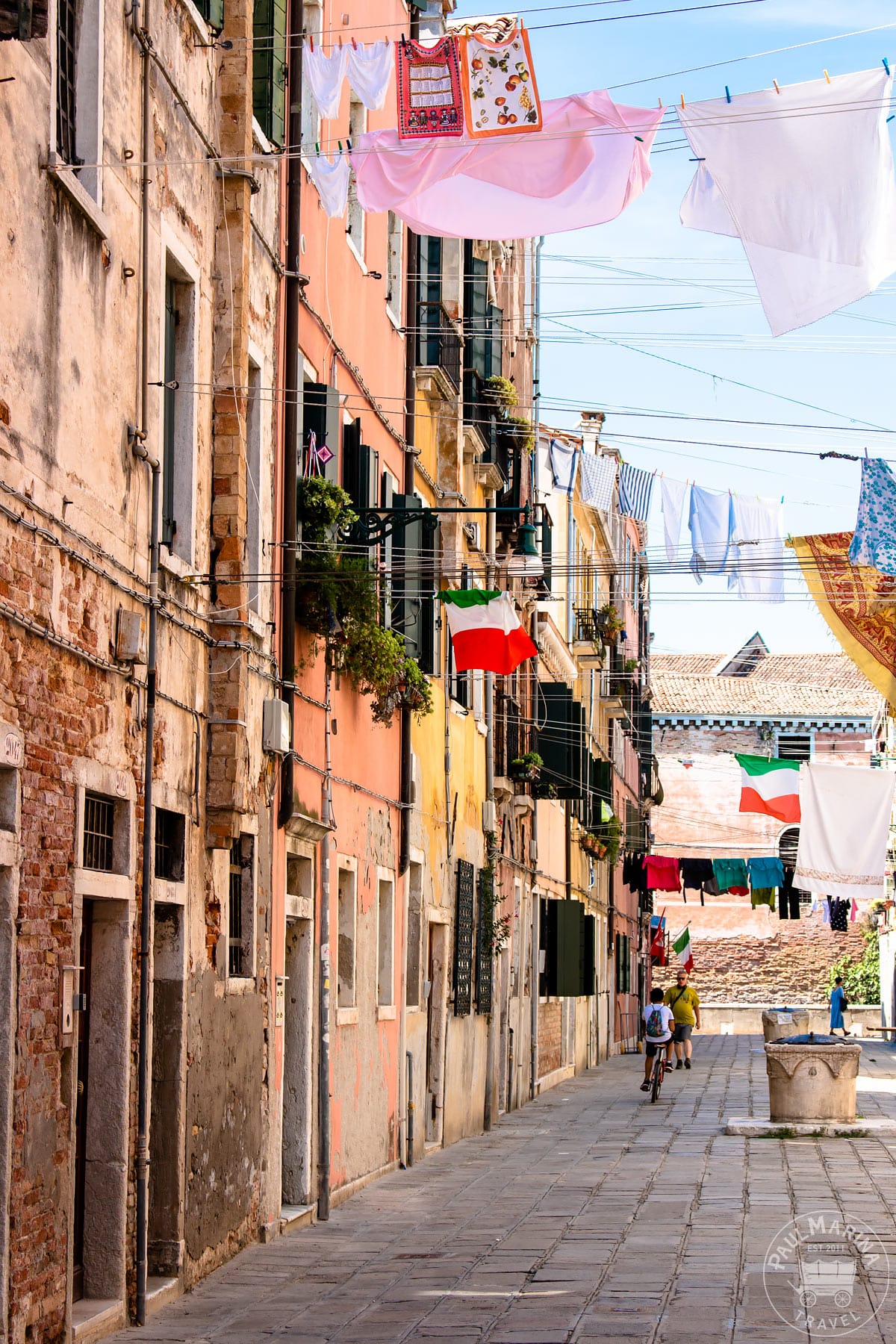
Some cities across Europe have set up limited traffic zones (ZTL zones). That means you can't just drive into the city center with your vehicle.
Countries where you will encounter such laws include France and Italy.
Entering such a zone without knowing will result in a $100 fine. Your vehicle number plate is photographed with one of the many cameras, and the fine is sent to your address. You are not exempt with a rental car.
Insider Tip: Park outside the city in a safe parking lot and walk into the old town or commute via public transport. If your hotel is located in a ZTL zone, contact your accommodation about that.
Public Restrooms

You will encounter pay-only public restrooms across Europe. This might be on the highway or one of the public city restrooms.
The cost to go once to the loo varies between $0.50 and $2. Most are located in Central Europe (Germany, Austria, Hungary) and in popular tourist cities such as Milan and Florence.
Keep coins in your pockets because not every machine takes cards, and swiping your card for a few cents will result in extra transaction fees per swipe.
And yes, every time you'd like to wash your hands, you will have to pay to get to the restrooms (keep wet wipes with you).
Insider Tip: The restroom pay device on highway stops in Germany and Austria spits out a voucher of the same value, which serves as a discount in the highway stop shop. The strategy is, go to the restroom, keep the voucher, and get a coffee or food in the shop discounted with the voucher. Usually, you can use multiple vouchers together as well.
Tourist and City Taxes

Almost all countries (except Romania) have implemented a tourist tax, which is sometimes also called a city tax, on the invoice.
This means, you pay for every person per night a tax separate from your room bill. Several places will ask you to pay this charge in cash too, so be prepared!
There is no universal tourist tax rate; every city and village has a different system and law in place. Paris, for example, charges city tax rates as proportional to your accommodation class, that means 5-star suites will cost you more.
Insider tip: Always keep cash with you when traveling in Europe and check the local currency. Here is where they accept the Euro in Europe.
Coperto Cover Charges

This is a thing in Italy only. The Italians charge you separately for table service, and this has nothing to do with service charges.
See my comparison between Coperto, Service Charges and Tips.
That means, in Italy, if you take a seat at a coffee place or restaurant, you will be charged a coperto. It's a $2-$2.50 charge per person and in most cases includes olive oil, salt, pepper, and bread at the table.
Insider Tip: Italians get espresso at the bar and stand there to not pay coperto, but they don't stick around.
Mobile Roaming Fees
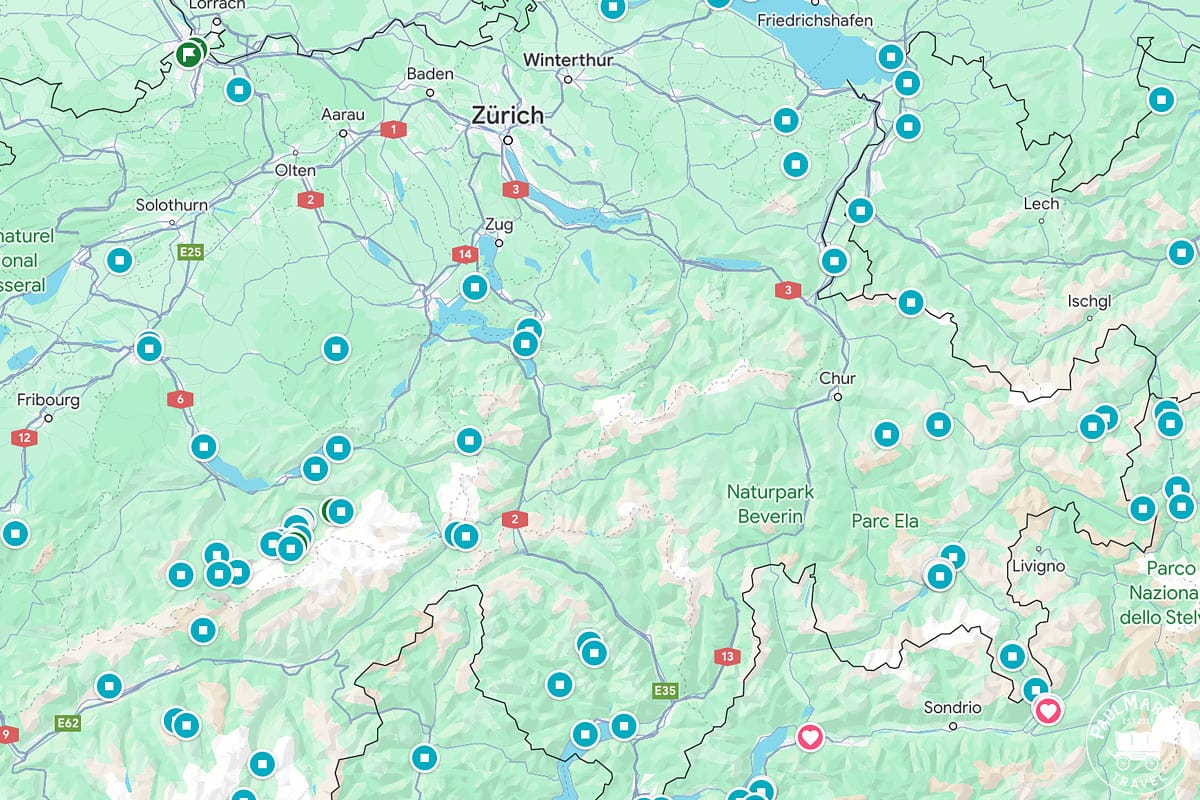
Remember to get either a mobile roaming plan for your SIM card when traveling to a foreign European zone. The zones are defined by your SIM operators, so you will have to ask them.
Know that most EU Schengen countries are one large zone, and Switzerland is a completely separate zone. This is where we always fall into trouble.
You must purchase a separate SIM mobile roaming package for Switzerland, or else they will charge you the world for using the internet network just to check a Google map road.
We have lost countless money with our Austrian Sims, just because we were at the border to Switzerland and their mobile towers picked up the signals.
Insider Tip: Get an eSIM (digital SIM) as an alternative.
Dynamic Currency Conversion

When you pay with your card abroad or take out cash from the ATM, you will be asked to pick either the local currency or your home currency.
This option is called Dynamic Currency Conversion (DCC). It's confusing, and one of the two options is always hidden extra fees and conversion rates.
Next time you are faced with this option, always choose the local currency and never your home currency to avoid all hidden charges and fees.
For example, if you are in Italy, pick the Euro and not the USD, INR, AUD, etc. When in Hungary, pick the Hungarian forint, and in Prague, tap the Czech koruna.
Insider Tip: Avoid stand-alone ATMs, get money only from an official bank ATM (where the locals get their money). Bank ATMs are usually always attached to an official branch and can be accessed on the pavement.
Emergency Medical Costs
Before you travel to Europe, purchase travel insurance. Do not skip that! In fact, countries that need to apply for a Schengen visa automatically have to add travel insurance to their visa application.
The ones that fall into the trap here are typically Americans.
Europe has universal healthcare for all EU nationals and residents. That doesn't include tourists and visitors.
If you are admitted to a hospital in Europe for an emergency, you will be required to pay the total cost of your medical emergency, which can be costly.
A travel insurance will cover the worst. Compare and pick an insurance with the best medical emergency coverage.
Grocery Bags

Yep, grocery stores in Europe charge for every grocery bag. It's not the end of the world, but something to be aware of.
Moreover, nobody will bag your groceries. The cash counter is a sprint!
Insider Tips: Bring a reusable bag or purchase a reusable bag once and take it along with you every time you go grocery shopping.
Parking

Parking across Europe is pay only most of the time.
Free parking is rare, except if they are limited-time parking zones (you will need a parking disc) or they are owned by the church (no kidding!).
Be prepared to pay $2-5 per 30 or 60 minutes in some areas. The highest we have ever paid was $39 for 5 hours in Zürich (Switzerland).
Insider Tip: In a few areas, such as in Germany and Austria, you don't have to type in the number plate when purchasing the parking ticket (or they don't scan the number plate). In those cases, people are friendly and give away their unused remaining parking tickets, and you can do the same thing.
3rd Party Bookings Accommodation Platforms
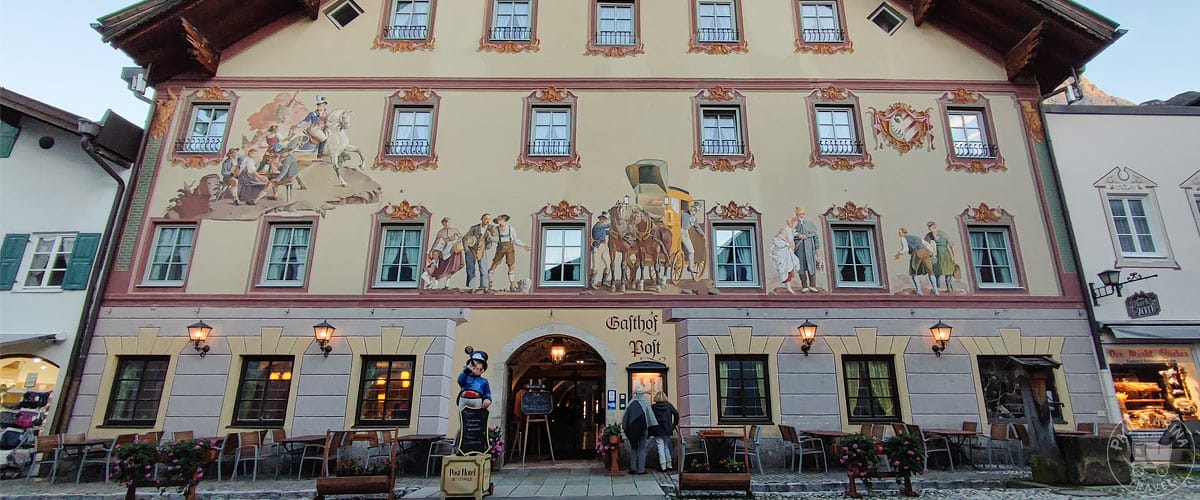
Something nobody will tell you is that hotels in Europe prefer direct bookings. That means via the tourism office or the hotel website.
Most regional 4- and 5-star hotels will add a mark-up if the booking is via Expedia, Booking.com or any other 3rd-party booking platform.
Usually, you will get a better room too if you book directly with the hotel.
Insider Tip: If you are worried about direct bookings, reach out to the local tourism department, as they have access to an extensive network of accommodations.
Comments
No Comments