

In the last few years, I have noticed that travel itineraries to Europe tend to lack efficiency and foresight.
People try to make the most of a trip, and the continent may seem like it's painted in one color. Yet, there are things you might not be aware of, and this is when this guide helps you understand the pitfalls.

Overstuffing Your Itinerary
I know you want to add Rome, Paris, Athens, Berlin, Amsterdam, and Barcelona to your 10-day trip, but this itinerary will leave you drained and lacks a lot of wiggle space.
You will hardly get to a city and move on to the next within the same day or two, and it's not a fun travel experience. In fact, it's exhausting to just imagine jumping between places so quickly.

The same goes with sights in a specific city. You can't see all the popular landmarks in Paris and expect to make time for the Versailles castle in the afternoon.
That's just poor planning, and you will never make it on time, as per your set itinerary, because things happen, and you need to add buffer just to catch a breath from the whirlwind itinerary that you call a trip.
Too Many One-Night Stays

We have been there and done it, but several one night stays in a row are just absolutely exhausting.
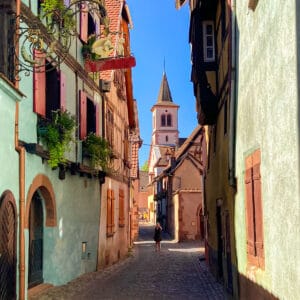
We were hopping from one town to another in Alsace and stayed in each location for a night, and while we got to see some places, we felt fatigued after all the packing and unpacking and changing of hotels
You are probably better off limiting the number of places that you'd like to see, or you can turn a destination into a base and plan day trips from there instead.
Commuting More Than Anything Else

People are willing to travel hundreds of kilometers to see a place for 1–2 hours and just move on again. In a European approach, this would be unthinkable.
Imagine traveling from the Scottish highlands to London, staying the night there, and moving on to Amsterdam the next day just to spend another 1–2 hours in the city.
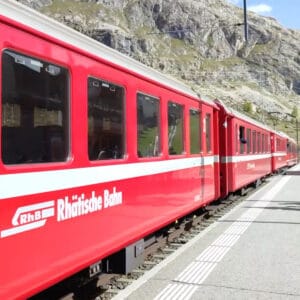
No matter if you are commuting by car, train, boat, or flight, you should be able to set some days aside to explore your destinations, without turning these trips into endless commuting days.
Visiting Only Major Cities

Europe isn't just London, Rome, and Paris, and you are missing out if you skip adding smaller cities, towns, and villages to your itinerary.
A well-rounded travel schedule can be so much more enriching, and your experience will be much more fulfilling.
Take, for example, Vienna in Austria, and keep every other tip in mind that I previously listed, and the fact that the country, Austria, is known for its fantastic variety of sights. You'll be able to set up a wholesome itinerary stuffed with day trips from Vienna, natural landmarks, and interesting historical places.
Explore regions and areas to learn more about a place. Capitals and major cities make for a poor representation of the whole picture.
Only Visiting Well-Known Sights

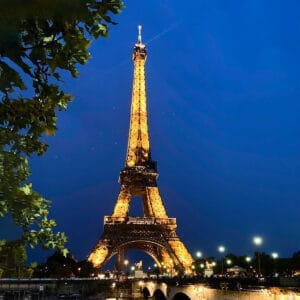
I get it, when in Paris, go and see the Eiffel Tower.
But cities like Paris have so much more to offer than just visiting the most well-known sights, just because some influencer told you so, and you won't be able to experience the city with your own eyes.
You probably have a lot more interests in your private life, and your trip should reflect just that. Let's take Paris as an example.
Do you love gardens, head to the Luxembourg garden in Paris! Are you into grungy sights? Join a Paris catacomb tour! Are you a romantic? Enjoy a river dinner on the Seine in Paris.
Assuming Landmarks are Open Daily

Convenience is not a thing you can rely on when in Europe. You will encounter sights and attractions across the continent, that close on particular days or times.
For example, we have come across castles that close or offer restricted visiting hours on Mondays in Transylvania and that included the famed Dracula Bran castle.
This can take you off guard and mess with your carefully planned itinerary, but you can easily prevent these situations. Just do your due diligence and put some time into researching all the opening hours.
Depending too much on Apps and Data

Constant signal isn't always a given across Europe. We have had issues with internet connectivity in the least expected places, and it can leave you scrambled.
No connectivity means maps aren't available, and you can't just research a landmark quickly.
Don't rely too much on your connectivity in those moments, and plan ahead in case you end up being offline for an extended time. Download offline maps, use offline apps, and screenshot transportation ticket QR codes just in case.
Overlooking Border Requirements

Europe consists of several smaller countries, and every country has its set of rules and laws.
Fortunately, things have been easier since the Schengen Area and Euro currency have been introduced, but not every country is taking part in the Schengen Agreement or is using the euro currency just because they are in the eurozone.
Take, for example, Ireland. They are part of the Eurozone but not in the Schengen area. That means a Schengen visa wouldn't provide you with access to Ireland.
Research your planned destinations and border rules properly before your trip to avoid unnecessary itinerary blunders.
Underestimating Weather Changes & Seasons

The weather in certain locations can be very unpredictable, and while the weather app announced endless sunny days this summer at Lake Como in Italy, it turned out to be 3 days of constant rain.
Rainy days can mess up your daily sightseeing schedule, but you can easily fix that by adding a Plan B for rainy days to each location.
In the case of Lake Como, you could be visiting one of the wonderful villas or museums instead of a lake boat tour.
The same goes for seasonal destinations. There is no point in visiting certain mountaintop towns in the Alps during the off-season in November because all cable cars, attractions, and hotels are closed.
Overlooking Cultural Local Festivities, Traditions, and Public Holidays

You will be royally missing out if you overlook special cultural events in the year.
Not only because you either would have witnessed a unique tradition or because you would rather prefer to avoid being in such a place during this event.
Let's take Munich as an example.
If you intended to experience the Munich Christmas market on Christmas Day, you will be very disappointed because the Christmas markets are held the 4 Advent weeks before Christmas Day, and they close on the 24th of December for the season.
If you hate crowds but ended up booking a trip to Munich in September because you thought you'd be avoiding the Oktoberfest, you will be in for a surprise (Oktoberfest takes place mostly in September).
Besides, public holidays differ from country to country in Europe, so keep an eye out for that when you build your itinerary.
More itinerary oversights

- Days off and stretches of the days when grocery stores, etc., are closed, e.g., afternoon siestas in Spain and supermarkets in Germany on Sundays.
- Not carrying cash in some cash-only areas in Europe. Not every ticketing machine takes cards.
- Tight booking transfers. Add buffer for border checks when you book a taxi; avoid booking train tickets with 10 minutes of changing time.
- Not adjusting to dining culture. Spain is known for 2 pm lunch hours and after 9 pm dinner times.
- Forgetting about Jet Lag.
- Underestimating elevation and terrain.
- Not planning laundry days when you travel for more than 2 weeks.
- Overpacking. Don't drag around all this unnecessary weight; it will slow you down.
Your Next Read: Essential Europe Tips for First Time visitors.


Comments
No Comments